

5 Explosive Talking Points Ahead of Women T20I Series Showdown

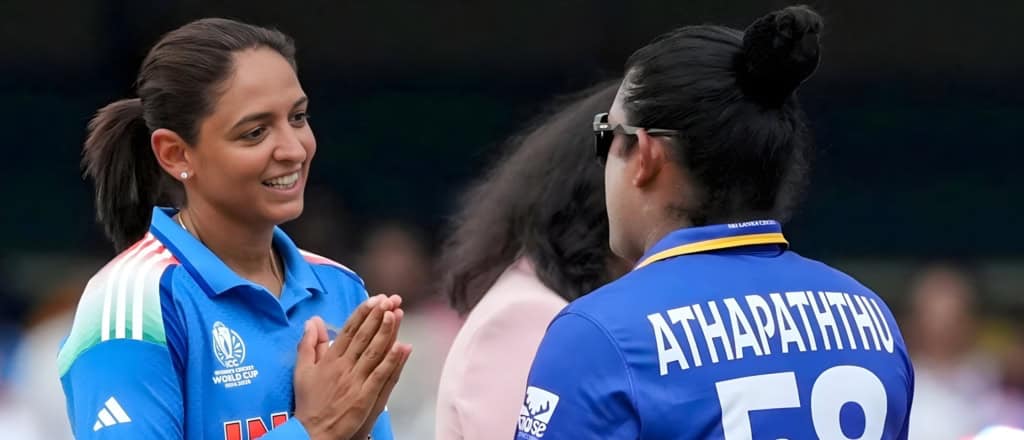
The upcoming Women T20I series between India and Sri Lanka represents a decisive checkpoint in both teams’ journeys toward the 2026 T20 World Cup. Beyond results, this contest is about alignment, balance, and clarity of roles as squads evolve under long-term planning. With contrasting ambitions and squad profiles, the series offers a revealing snapshot of where each side truly stands.
India’s Intent Signals a New Women T20I Direction
India approach this assignment with renewed confidence following their recent success in the ODI format. The emphasis now is on translating that dominance into shorter formats, where adaptability and intent matter more than accumulation. Team management has made it clear that passive phases are no longer acceptable, and aggressive decision-making will define selections.
This shift is visible in batting orders, strike-rate expectations, and fielding standards. India’s setup reflects a desire to dictate terms early, using the series to embed habits rather than chase short-term outcomes.
Batting Core Shapes India’s Women T20I Identity
India’s batting depth remains the backbone of their match strategy, with Smriti Mandhana, Shafali Verma, and Jemimah Rodrigues forming a flexible top-order nucleus. Each offers a different tempo, allowing India to adjust based on conditions and opposition matchups.
Mandhana’s composure, Verma’s explosive powerplay intent, and Rodrigues’ ability to rotate strike ensure scoring momentum rarely stalls. This batting clarity reduces pressure on the middle order and aligns with India’s aim of maximizing scoring windows throughout the innings.
Bowling Experiments Define Women T20I Planning
Bowling combinations remain a central theme of this Women T20I series, as India test variations rather than fixed roles. Seam-bowling depth, spin partnerships, and death-over options are all under review, reflecting a broader vision beyond the immediate fixtures.
Rather than locking into a single formula, selectors appear focused on identifying adaptable bowlers who can function across conditions. This experimentation may come at the cost of short-term rhythm, but it serves the larger objective of squad resilience ahead of the global tournament.
Sri Lanka’s Youth Policy Reshapes Women T20I Approach
For Sri Lanka, the Women T20I series represents a developmental phase rather than a results-driven mission. The focus is firmly on integrating younger players, exposing them to elite competition, and building experience under pressure. This approach acknowledges the gap between established contenders and emerging sides.
Sri Lanka’s willingness to accept growing pains reflects a realistic assessment of their trajectory. By prioritizing exposure and adaptability, they aim to construct a competitive core capable of sustained growth beyond a single tournament cycle.
Tactical Discipline Key for Sri Lanka Women T20I Growth
While youth dominates Sri Lanka’s selection philosophy, tactical discipline remains essential within the Women T20I format. Containing powerplay damage, executing plans at the death, and maintaining fielding intensity will define how competitive they remain across matches.
These fundamentals offer learning opportunities regardless of outcomes. Each over against a stronger opponent provides data points for future refinement, reinforcing why this series holds value beyond the scoreboard.
Middle-Order Balance a Shared Women T20I Concern
Both teams view middle-order stability as a priority within the Women T20I setup. India seek assurance that collapses can be avoided when early aggression fails, while Sri Lanka aim to identify batters capable of absorbing pressure without losing scoring intent.
This shared concern highlights the evolving demands of the format, where adaptability outweighs specialization. Players who can switch gears seamlessly are increasingly valued, especially in high-stakes tournament environments.
Leadership Clarity Shapes Women T20I Outcomes
Leadership dynamics will subtly influence the Women T20I series, particularly in how teams respond to momentum swings. India’s leadership group emphasizes decisiveness and proactive field placements, while Sri Lanka focus on communication and composure within a younger squad.
These approaches reflect different stages of team maturity. Effective leadership during transitional moments often determines whether experimentation yields progress or confusion.
Fielding Standards Elevate Women T20I Expectations
Fielding has emerged as a non-negotiable metric in modern Women T20I cricket. India’s athleticism and catching efficiency set high internal benchmarks, reinforcing pressure on opponents. Sri Lanka, meanwhile, view fielding improvement as a pathway to competitiveness even when skill gaps exist.
Sharp fielding reduces reliance on flawless bowling and creates scoring opportunities, making it a critical differentiator across closely contested matches.
Why This Women T20I Series Truly Matters
The significance of this Women T20I series lies in its diagnostic value. For India, it tests whether aggressive intent translates into consistent execution. For Sri Lanka, it measures how quickly youth can adapt to elite intensity. Both narratives converge around preparation rather than immediate success.
Each match contributes to decision-making frameworks that will shape final World Cup squads, roles, and tactical blueprints.
Final Word on the Women T20I Series
Ultimately, the Women T20I series between India and Sri Lanka serves as a rehearsal rather than a verdict. It offers clarity on strengths, exposes vulnerabilities, and sharpens priorities ahead of the global stage. In that sense, its true impact will be felt not in wins or losses, but in how effectively lessons are absorbed and applied when the stakes are highest.




Responses