

5 Shocking Reasons BCCI Scheduling Failed as Lucknow T20I Was Abandoned

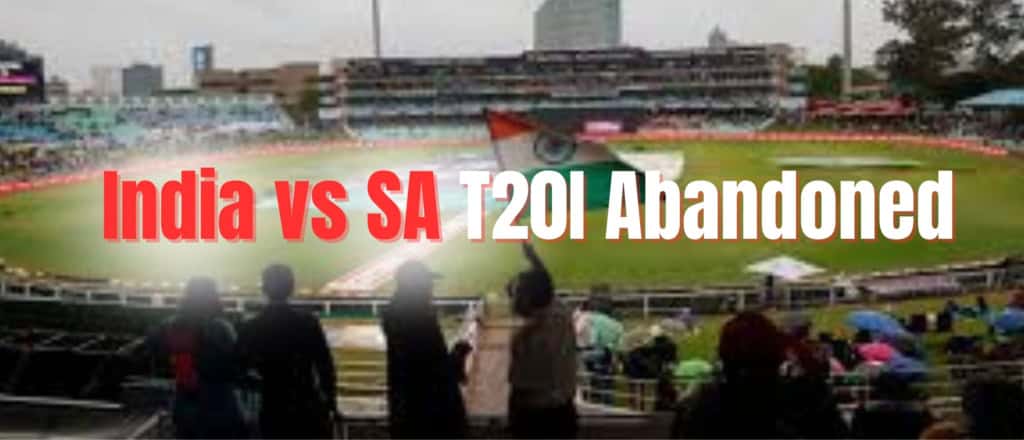
BCCI scheduling came under intense scrutiny after the India vs South Africa T20I in Lucknow was abandoned without a single ball bowled due to dense fog and hazardous air quality. Fans and experts widely criticized the board, arguing that proper planning could have prevented the fiasco. The abandoned match at Ekana Stadium has reignited debates over winter scheduling and player safety in northern India.
India vs South Africa T20I Abandoned Amid Hazardous AQI
The fourth T20I between India and South Africa was officially called off at 9:30 PM after six inspections. BCCI scheduling decisions were questioned as dense smog made play impossible. The Air Quality Index (AQI) in Lucknow crossed 400, classifying the air as hazardous. Night matches in northern cities during November and December are historically vulnerable to pollution and fog, making this abandonment predictable.
Poor Timing and Weather Risk
The match was scheduled to begin at 7:00 PM, but extreme fog reduced visibility significantly. Critics argued that BCCI scheduling failed to consider seasonal air quality trends. Multiple northern venues in the series were at high risk for similar disruptions, highlighting gaps in environmental risk assessment during fixture planning.
Player Welfare Concerns Rise
Player health became a central issue as Indian all-rounder Hardik Pandya was seen wearing a surgical mask during warm-ups. BCCI scheduling policies were scrutinized for prioritizing rotational venue policies over health. Exposure to hazardous AQI can affect respiratory function, stamina, and long-term fitness, making winter night matches in polluted regions particularly risky.
Risk to Elite Performance
Playing under such conditions poses unnecessary threats to elite athletes. Experts noted that with adequate foresight, matches could have been moved to safer venues or times, reducing health risks. BCCI scheduling must integrate health data alongside rotational policies to ensure player welfare.
Fan Outrage Over BCCI Scheduling
Social media erupted with criticism immediately after the washout. Fans questioned why Lucknow was chosen for a winter night game despite known pollution issues. Premium ticket holders faced disappointment, and the absence of a backup plan intensified frustration.
Financial and Engagement Impact
High ticket prices, travel arrangements, and dedicated fan attendance were wasted due to avoidable planning errors. The abandoned India vs South Africa T20I reflected how BCCI scheduling oversights can alienate supporters and damage the sport’s public image.
Series Venue Planning Under Scrutiny
The T20I series featured venues including New Chandigarh, Dharamsala, Lucknow, Ranchi, Raipur, Visakhapatnam, Cuttack, Ahmedabad, Guwahati, and Kolkata. Many northern venues face weather-related disruptions during winter, emphasizing the importance of adaptive scheduling. BCCI scheduling defenders cited rotation policies, but critics argued that rotation should not outweigh practical considerations.
Historical Data Ignored
Weather patterns, daylight availability, and pollution trends are predictable and should inform fixture planning. BCCI scheduling appears to have overlooked these factors, leading to repeated winter match disruptions in northern regions.
Missed Opportunities to Adjust Match Timings
Critics highlighted the failure to consider afternoon start times. Day matches could have reduced fog impact and ensured at least a shortened contest. The lack of flexible scheduling or reserve days exposed structural shortcomings in series planning.
Importance of Adaptive Scheduling
Resilient fixture planning requires alternate start times and backup days. BCCI scheduling must evolve to incorporate these adaptive measures, particularly in high-risk northern venues during winter.
Impact on Series Momentum and Logistics
The abandoned T20I left India leading the series 2–1 heading into the final match in Ahmedabad. Both teams faced immediate travel, adding logistical strain. BCCI scheduling inefficiencies disrupt team rhythm, broadcast schedules, and commercial obligations, affecting the overall credibility of international tours.
Repercussions Beyond the Field
Repeated match disruptions diminish fan trust, broadcaster confidence, and visiting team satisfaction. Efficient BCCI scheduling is essential to maintain smooth operations and the sport’s reputation globally.
Cold Weather Adds Complexity
Weather issues extended beyond Lucknow, with the third T20I in Dharamsala played under sub-10-degree temperatures. Extreme cold challenged players physically, reinforcing arguments against winter matches in northern India. BCCI scheduling patterns demonstrate recurring misalignment with seasonal realities.
Calls for Smarter BCCI Scheduling
Analysts are demanding data-driven scheduling. BCCI scheduling must consider environmental risks, flexible timings, and reserve days. Climate unpredictability and urban pollution necessitate proactive planning. The Lucknow washout underscores how poor scheduling can overshadow cricket itself.
Integrating Technology and Data
Future international calendars require advanced risk assessment tools to evaluate air quality, weather, and logistical feasibility. BCCI scheduling must leverage technology for smarter, safer planning.
A Preventable Setback
The abandoned India vs South Africa T20I highlighted systemic flaws in BCCI scheduling. Failure to consider air quality, weather, and contingency measures turned a marquee event into a non-event. Addressing these gaps is critical to safeguarding player health, maintaining fan trust, and preserving India’s cricketing reputation.





Responses