

India vs Pakistan T20 World Cup 2026: 5 Key Developments as ICC Seeks Resolution

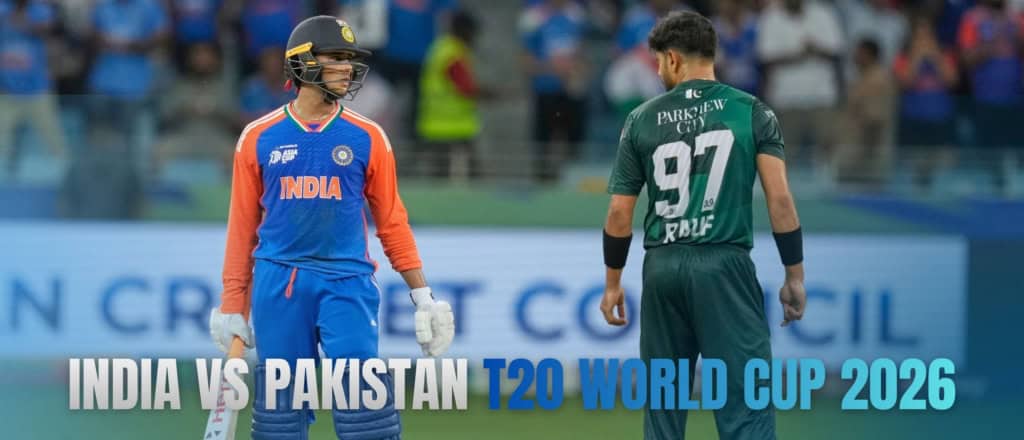
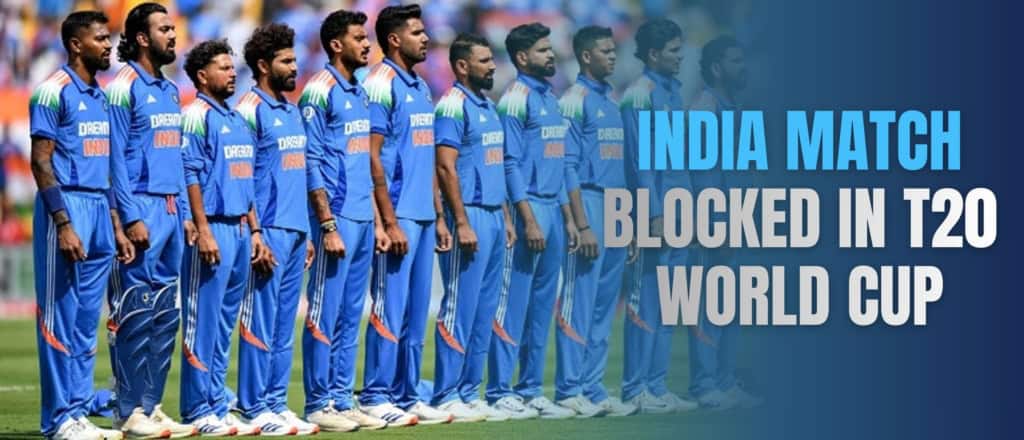
India vs Pakistan T20 World Cup 2026 has emerged as one of the most sensitive and high-stakes storylines of the tournament, with the ICC working behind the scenes to resolve Pakistan’s decision to boycott the marquee group-stage clash. As diplomatic, political, and sporting interests collide, cricket’s biggest rivalry hangs in the balance just weeks before the tournament begins.India vs Pakistan T20 World Cup 2026: Why the Match Is in Doubt
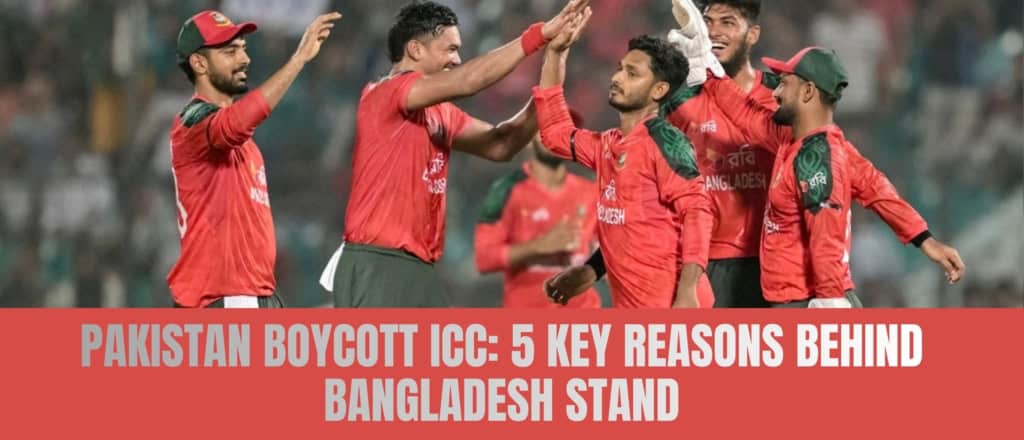
The India vs Pakistan T20 World Cup 2026 group match, scheduled to be played in Colombo, was thrown into uncertainty after Pakistan confirmed it would not take the field against India. The decision followed instructions from the Pakistan government and was framed as an act of solidarity with Bangladesh, who were excluded from the tournament after declining to play matches in India, one of the co-host nations.
The announcement sent shockwaves across the cricketing world, given the commercial, competitive, and emotional weight the fixture carries in every ICC event.
ICC Steps In to Protect India vs Pakistan T20 World Cup 2026
Back-Channel Talks Underway
In response to the boycott, the International Cricket Council initiated behind-the-scenes discussions to salvage the India vs Pakistan T20 World Cup 2026 clash. The ICC’s deputy chair has been actively engaged with the Pakistan Cricket Board, attempting to find a mutually acceptable solution that preserves the integrity of the tournament.
The ICC has publicly stated its expectation that all stakeholders explore options that allow the fixture to proceed, underlining how central the India vs Pakistan T20 World Cup 2026 match is to the event.
Key Officials Involved in Mediation
The mediation efforts have included communication between senior ICC officials and top PCB representatives. Discussions intensified after PCB chairman Mohsin Naqvi raised concerns about Pakistan’s participation even before the boycott was formally announced.
Meetings and consultations continued across multiple countries, highlighting the urgency surrounding the India vs Pakistan T20 World Cup 2026 situation.
PCB’s Stand and Government Influence
Political Directive Shapes Decision
The PCB has made it clear that the boycott decision stems from government instructions rather than cricketing considerations. This distinction has complicated efforts to resolve the India vs Pakistan T20 World Cup 2026 impasse, as the issue extends beyond the sport itself.
Pakistan’s Prime Minister publicly confirmed that the stance was taken to protest Bangladesh’s exclusion, intensifying the political dimension of the controversy.
Concerns Beyond Financial Penalties
While the ICC reportedly outlined potential sanctions if Pakistan withdrew entirely from the tournament, the PCB responded that financial consequences were not the driving factor. Instead, officials emphasised principles and perceived inconsistencies in how member nations were treated, which they believe impact the India vs Pakistan T20 World Cup 2026 scenario.
Bangladesh Factor in the India vs Pakistan T20 World Cup 2026 Issue
Exclusion Sparks Broader Dispute
Bangladesh’s absence from the tournament lies at the heart of the India vs Pakistan T20 World Cup 2026 controversy. Pakistan’s leadership criticised the decision, accusing the ICC of applying double standards and undermining fairness within the global game.
This grievance has shaped Pakistan’s firm stance, making resolution talks more complex as they involve broader governance concerns rather than a single fixture.
ICC’s Balancing Act Ahead of the T20 World Cup
Protecting Tournament Integrity
From the ICC’s perspective, ensuring that the India vs Pakistan T20 World Cup 2026 match goes ahead is vital not only for viewership but also for competitive balance within the group stage. The absence of the fixture could alter qualification scenarios and raise questions about fairness.
The ICC’s efforts therefore focus on protecting both the commercial value and sporting credibility of the event.
Precedent from Past Disputes
The ICC’s deputy chair has previously acted as a mediator in disputes involving major boards, lending hope that a compromise can still be reached. This experience is seen as crucial in navigating the India vs Pakistan T20 World Cup 2026 deadlock.
What Happens If India vs Pakistan T20 World Cup 2026 Is Not Played?
If the boycott remains in place, the tournament faces several challenges. Points allocation, net run rate implications, and scheduling complications could all impact Group A dynamics. Such an outcome would leave the India vs Pakistan T20 World Cup 2026 as a major talking point long after the tournament concludes.
For fans, broadcasters, and sponsors, the loss of cricket’s most-watched rivalry would be a significant blow.
Can a Compromise Still Be Reached?
Despite the firm public positions, ongoing dialogue suggests the door is not entirely closed. The ICC’s continued engagement indicates optimism that a solution can be found that allows the India vs Pakistan T20 World Cup 2026 match to proceed without either side losing face.
Any breakthrough would likely require alignment between cricket boards and government authorities, underscoring how intertwined sport and politics have become in this case.
Final Word on India vs Pakistan T20 World Cup 2026
The India vs Pakistan T20 World Cup 2026 situation remains fluid, with negotiations continuing behind closed doors. As the tournament draws closer, pressure will mount on all parties to reach a resolution that upholds the spirit of competition and avoids overshadowing the cricket itself.
Whether the iconic rivalry takes place or not, its uncertainty has already shaped the narrative of the T20 World Cup, reminding the global game that some fixtures carry significance far beyond the boundary ropes.

Responses