

ICC Talks: 7 Key Developments in Pakistan’s T20 World Cup Boycott Row

ICC talks have taken center stage after reports revealed that back-channel discussions between the International Cricket Council and the Pakistan Cricket Board began even before Pakistan officially announced its boycott of the India vs Pakistan clash at the ICC T20 World Cup 2026. The controversy surrounding this marquee fixture has now become one of the most sensitive governance challenges for global cricket ahead of the tournament.ICC Talks Begin Ahead of Official Boycott
The ICC talks reportedly started quietly after Pakistan Cricket Board chairman Mohsin Naqvi raised serious concerns regarding Pakistan’s participation in the high-profile group-stage match against India. Acting on directives from the Government of Pakistan, the PCB later confirmed that the national team would not play India on February 15 in Colombo, while continuing with the rest of their scheduled matches.
These ICC talks were initiated to prevent disruption to the tournament structure and to protect the commercial and sporting interests tied to one of cricket’s most-watched rivalries. According to sources, early conversations focused on understanding Pakistan’s stance and identifying a solution that could avoid a complete breakdown in relations.
Government Directive Shapes Pakistan’s Stand
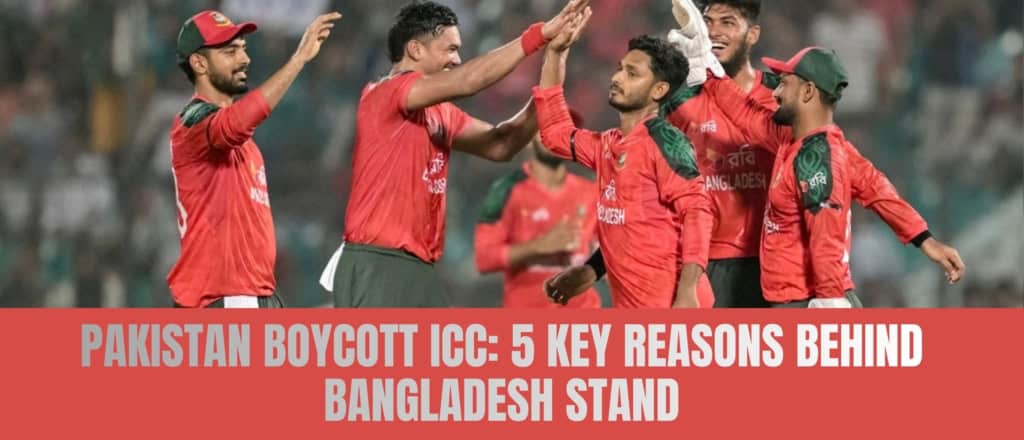
The Pakistan boycott is rooted in political developments beyond cricket. Prime Minister Shehbaz Sharif publicly stated that the decision reflects Pakistan’s solidarity with Bangladesh, who were excluded from the tournament after refusing to play matches in India, one of the official co-hosts alongside Sri Lanka.
Within ICC talks, Pakistani officials have reportedly maintained that their position is driven by principle rather than financial pressure. This firm stance has added complexity to negotiations, as the ICC must balance neutrality while respecting the autonomy of its member boards.
ICC’s Response and Mediation Efforts
The ICC responded cautiously through official channels, urging the PCB to “explore a mutually acceptable resolution that protects the interests of all stakeholders.” These ICC talks have involved senior administrators with experience in navigating geopolitical sensitivities in cricket.
Key Mediators in ICC Talks
- Imran Khwaja, ICC deputy chair
- Mubashir Usmani, Emirates Cricket Board official
- Mohsin Naqvi, PCB chairman
- Salman Naseer, PSL head and senior PCB advisor
Khwaja and Usmani have played active roles in facilitating dialogue, engaging with PCB leadership across multiple locations, including Pakistan, the UAE, and Singapore. Their involvement signals the ICC’s intent to resolve the matter through diplomacy rather than punitive action.
Sanctions Discussed but Not Prioritized
Initial ICC talks reportedly included discussions around potential sanctions if Pakistan withdrew from the India match. Such measures could have ranged from points forfeiture to financial penalties. However, PCB representatives made it clear that monetary consequences would not influence their position if government directives remained unchanged.
This approach has shifted the ICC’s focus from enforcement to reconciliation. Officials are now prioritizing addressing PCB grievances and exploring flexible scheduling or neutral compromises that could allow the match to proceed without setting a controversial precedent.
Bangladesh Exclusion Fuels PCB Grievances
A major trigger in these ICC talks has been the PCB’s strong objection to Bangladesh’s exclusion from the tournament. Naqvi publicly accused the ICC of applying “double standards” and committing an “injustice” by removing Bangladesh after their refusal to travel to India.
Within negotiations, the PCB has emphasized that equal treatment of all member nations is essential to maintaining trust in global cricket governance. This argument has resonated with some ICC officials, who are keen to avoid perceptions of selective enforcement.
India vs Pakistan Match Remains Central Issue
Despite the political undertones, the India vs Pakistan match remains a cornerstone of the ICC T20 World Cup 2026. Broadcasters, sponsors, and fans worldwide are closely monitoring ICC talks, given the match’s unmatched commercial value and global viewership.
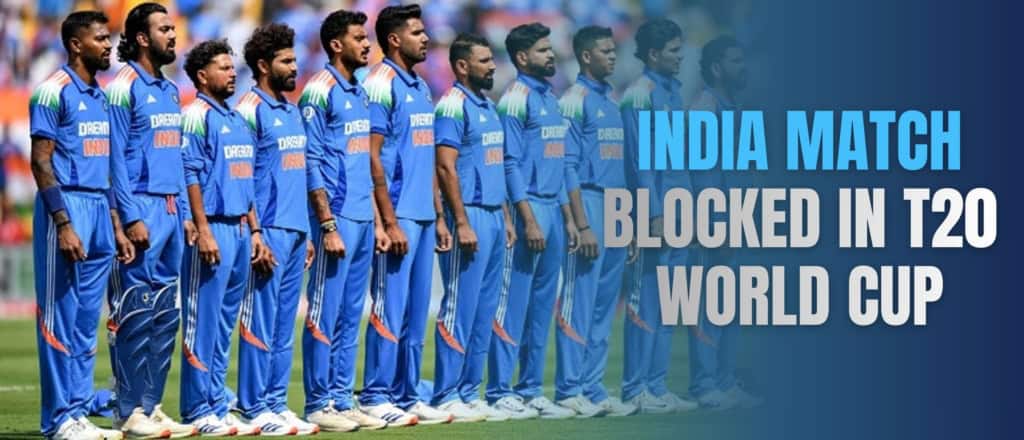
Pakistan are placed in Group A alongside defending champions India, the Netherlands, Namibia, and the USA. Any disruption to the fixture could impact group standings, scheduling logistics, and tournament momentum.
- Tournament Overview
- Event: ICC Men’s T20 World Cup 2026
- Dates: February 7 to March 8
- Co-hosts: India and Sri Lanka
Key Fixture:
India vs Pakistan, February 15 (Colombo)
Squads Add Sporting Context to ICC Talks
While ICC talks dominate headlines, both teams have announced strong squads, underlining the sporting significance of the clash.
India Squad Highlights
India will be led by Suryakumar Yadav and features key players such as Jasprit Bumrah, Hardik Pandya, Kuldeep Yadav, Axar Patel, and Rinku Singh, reflecting a balance of experience and emerging talent.
Pakistan Squad Highlights
Pakistan, captained by Salman Ali Agha, have named a squad including Babar Azam, Shaheen Shah Afridi, Naseem Shah, Shadab Khan, and Fakhar Zaman, ensuring competitiveness across departments.
The presence of these star players reinforces why ICC talks are under pressure to deliver a resolution that allows cricketing rivalry to take precedence over politics.
What Lies Ahead for ICC Talks
The ICC’s immediate priority is to prevent escalation while preserving the integrity of the tournament. With Imran Khwaja continuing coordination efforts and PCB leadership holding firm, the coming weeks will be decisive.
Whether through diplomatic compromise or a political shift, ICC talks remain the key mechanism for ensuring that the most anticipated match of the ICC T20 World Cup 2026 is played as scheduled. The global cricket community now waits to see whether dialogue can triumph over division.


Responses