

Pakistan U-Turn? 5 Big Reasons ICC Expects India Match to Happen

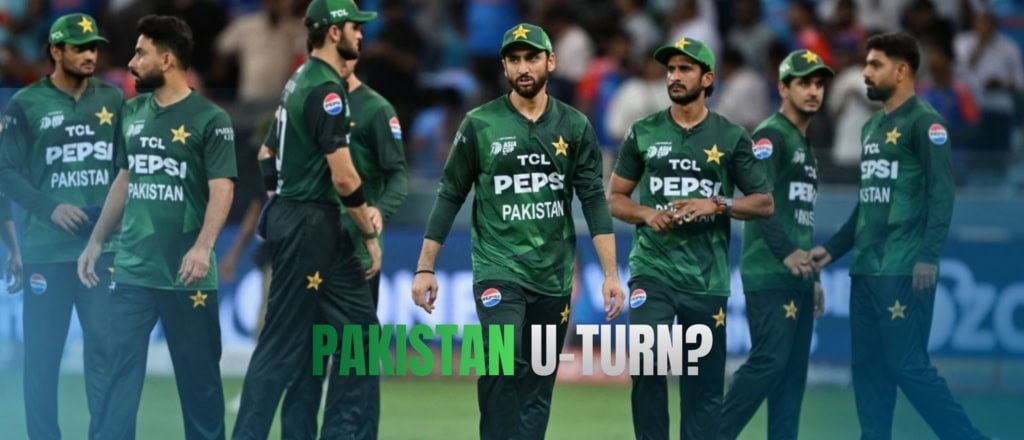
Pakistan U-turn speculation has gathered momentum after former India chief selector Chetan Sharma confidently predicted that Pakistan will reverse its decision to boycott the India vs Pakistan match at the ICC T20 World Cup 2026. Amid ongoing ICC discussions and political developments in South Asia, the possibility of a dramatic climbdown is now being openly debated in cricketing circlesPakistan U-Turn Prediction Shakes T20 World Cup Narrative
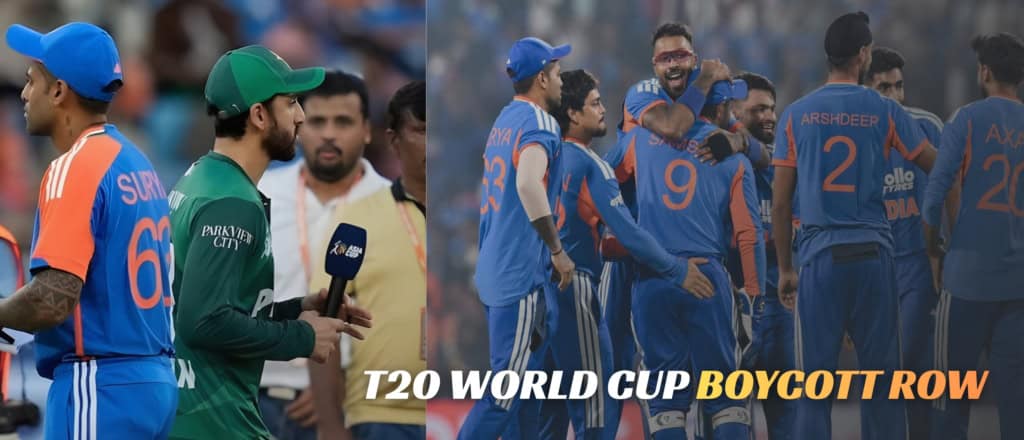
The Pakistan U-turn theory emerged soon after Prime Minister Shehbaz Sharif confirmed that Pakistan would not play India on February 15, citing solidarity with Bangladesh. However, Chetan Sharma believes the stance is temporary and politically driven, with a reversal likely once key political events conclude.
According to Sharma, Pakistan’s announcement lacks formal weight unless officially communicated to the ICC. This distinction has fueled belief within ICC corridors that the situation remains fluid and open to change.
Political Timing Central to Pakistan U-Turn Claim
At the heart of the Pakistan U-turn argument is the Bangladesh political calendar. Sharma pointed out that Bangladesh’s national elections are scheduled shortly before the high-profile India vs Pakistan fixture. He suggested that Pakistan’s position is closely tied to regional political optics rather than long-term cricketing policy.
Sharma stated that once the elections conclude, Pakistan could issue a reconciliatory statement emphasizing public sentiment and the need to keep sport separate from politics. This scenario, he believes, would allow Pakistan to reverse course without losing political credibility.
ICC Yet to Receive Official PCB Communication
One of the strongest factors supporting the Pakistan U-turn narrative is the absence of formal communication from the Pakistan Cricket Board to the ICC. Despite public statements from government officials, the ICC has confirmed that no official withdrawal notice has been submitted.
Within ICC processes, verbal or media statements carry no regulatory force. Until a written directive is received, Pakistan remains officially scheduled to play the match, keeping the door open for negotiations and potential compromise.
- Why Official Communication Matters
- Only formal PCB letters trigger ICC regulatory action
- Verbal announcements do not alter fixtures
- Sanctions or rescheduling require documented notice
This procedural gap strengthens the belief that Pakistan’s stance could change without administrative consequences.
Cricketers Bear the Cost of Uncertainty
Beyond politics, the Pakistan U-turn debate highlights the human cost of prolonged uncertainty. Sharma emphasized that it is the players who suffer most when political disputes overshadow sport.
Indian and Pakistani cricketers have trained for years with World Cup stages in mind, and missing a marquee match impacts careers, visibility, and tournament momentum. The controversy risks undermining the competitive spirit that defines global events like the ICC T20 World Cup 2026.
Bangladesh Factor Continues to Influence Talks
Bangladesh’s exclusion from the tournament remains central to Pakistan’s protest. Pakistan has framed its boycott as a gesture of solidarity, arguing that Bangladesh’s removal after refusing to travel to India exposed inconsistencies in ICC decision-making.
However, critics argue that extending political disputes into on-field actions could harm cricket’s global appeal. This tension is now a focal point in ongoing ICC efforts to de-escalate the situation.
ICC Monitoring Situation Closely
The ICC has adopted a wait-and-watch approach while maintaining informal dialogue with PCB officials. Administrators are aware that an India vs Pakistan clash carries unmatched commercial, broadcast, and sporting value.
From an operational standpoint, the ICC is reluctant to alter schedules prematurely, especially when a Pakistan U-turn remains a realistic outcome. The governing body’s stance reflects confidence that diplomacy may yet prevail.
India vs Pakistan Match Still on Schedule
As things stand, the India vs Pakistan match remains part of the official ICC T20 World Cup 2026 fixture list. Pakistan are placed in Group A alongside India, the Netherlands, Namibia, and the USA, making the encounter crucial for group dynamics.
A Pakistan U-turn would not only restore balance to the tournament but also reinforce the ICC’s preference for resolving disputes through dialogue rather than confrontation.
What a Pakistan U-Turn Could Look Like
Sharma even predicted the wording of a potential reversal statement, suggesting Pakistan could cite public sentiment and the broader interests of cricket. Such messaging would allow Pakistan to maintain moral positioning while rejoining the competition seamlessly.
If that scenario unfolds, the ICC T20 World Cup 2026 could proceed without further disruption, ensuring that cricket — rather than politics — takes center stage.
Final Outlook on Pakistan U-Turn
With no official PCB notice, ongoing ICC discussions, and shifting political timelines, the likelihood of a Pakistan U-turn cannot be dismissed. While uncertainty remains, the coming days are expected to bring clarity on whether one of cricket’s greatest rivalries will once again grace the World Cup stage.

Responses