

Australia T20 World Cup: 5 Key Failures Behind Shocking Exit

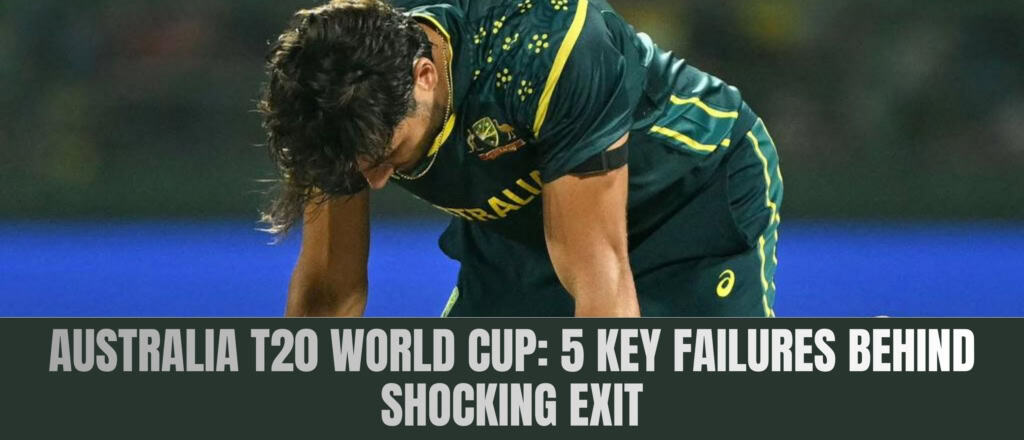
Australia T20 World Cup campaign will undergo a forensic review after the former champions suffered a shocking group-stage exit in the 2026 edition co-hosted by India and Sri Lanka. For the first time since 2009, Australia failed to progress beyond the opening round, triggering serious introspection within Cricket Australia.
The Australia T20 World Cup performance unraveled following defeats to Sri Lanka and Zimbabwe, leaving the 2021 champions out of contention before the Super 8 stage. With one inconsequential match remaining against Oman, selectors have already confirmed a comprehensive assessment of what went wrong in a campaign marred by injuries and selection debates.
Australia T20 World Cup Exit: A Historic Setback
The Australia T20 World Cup exit marks a significant low point for a team that lifted the trophy in 2021. Their early elimination represents the first group-stage departure in 17 years, underlining the scale of the disappointment.
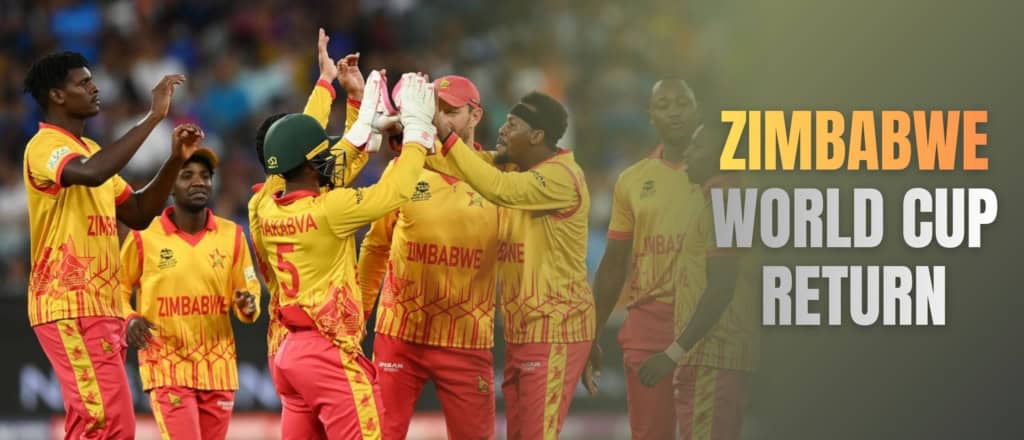
Losses to Sri Lanka and Zimbabwe proved decisive, as both teams advanced to the Super 8 while Australia were left behind. In a tournament as competitive as the T20 World Cup, even minor inconsistencies can prove fatal, and Australia paid the price for underwhelming performances at crucial moments.
The Australia T20 World Cup campaign never gained sustained momentum, and the failure to adapt to varying conditions ultimately cost them progression.
Injury Crisis Disrupted Australia T20 World Cup Plans
One of the biggest challenges during the Australia T20 World Cup campaign was an extensive injury list. The team entered the tournament without its frontline pace attack after Pat Cummins and Josh Hazlewood were ruled out due to injuries.
Adding to the setback, Mitchell Starc had already announced his retirement from T20 internationals, leaving a significant experience gap in the bowling department. Midway through the tournament, captain Mitchell Marsh also suffered an injury, further destabilizing team balance.
The absence of key players severely limited Australia’s tactical flexibility in the T20 World Cup, forcing adjustments that did not yield the desired results.
Selection Questions Haunt Australia T20 World Cup Campaign
Selection decisions have also come under scrutiny following the Australia T20 World Cup exit. Despite being in strong form, Steve Smith was not initially included in the squad and was only brought in as cover when Hazlewood was ruled out hours before the loss to Zimbabwe.
This late adjustment raised questions about planning and contingency strategies. In high-pressure tournaments like the T20 World Cup, squad depth and timely decision-making often determine outcomes.
The Australia T20 World Cup review is expected to examine these selection calls closely, ensuring clearer pathways and strategic alignment in future competitions.
Forensic Review Confirmed By Selectors
Chief selector Tony Dodemaide confirmed that a full forensic review of the Australia T20 World Cup campaign will be conducted once the team returns home. He acknowledged the disappointment while emphasizing the importance of completing the final fixture strongly.
The review process will focus on performance analysis, injury management, preparation cycles, and long-term planning. According to Dodemaide, emotions will be set aside before conducting a detailed evaluation of tactical and structural shortcomings in the T20 World Cup campaign.
Such a forensic approach highlights Cricket Australia’s commitment to accountability and future improvement.
Australia T20 World Cup 2028 Ambitions
Despite the current setback, Australia remain central figures in the future of global T20 cricket. The nation will co-host the T20 World Cup 2028 alongside New Zealand, automatically qualifying for the tournament.
The Australia T20 World Cup ambitions for 2028 will likely shape planning over the next two years. Home conditions offer a significant advantage, and selectors are expected to begin mapping squad transitions well in advance.
Australia also have the 2027 ODI World Cup on the horizon, meaning multi-format planning will be critical in balancing workload and building competitive squads.
Finishing Strong Against Oman
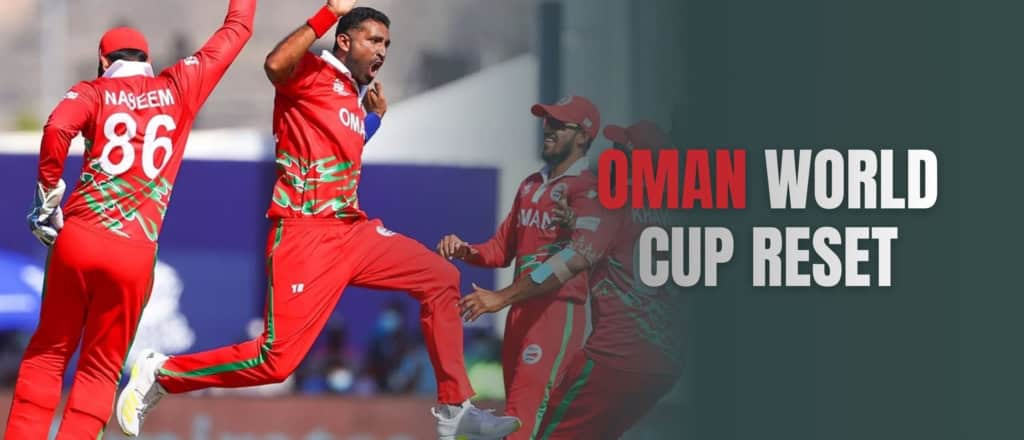
Although eliminated, Australia still have one group-stage match remaining against Oman. While the fixture holds no qualification significance, management has stressed the importance of finishing the Australia T20 World Cup campaign on a positive note.
Professional pride and ranking implications remain motivating factors. Ending with a victory could restore a measure of confidence before the team regroups for its long-term roadmap.
Even inconsequential matches in a T20 World Cup provide valuable data for performance assessments.
Lessons From Australia T20 World Cup Failure
The Australia T20 World Cup collapse offers important lessons regarding squad depth, injury contingency planning, and adaptability. Modern T20 tournaments demand flexibility in team composition and rapid tactical recalibration when setbacks occur.
Australia’s inability to consistently replace injured senior players exposed vulnerabilities in both bowling and leadership. As selectors conduct their forensic review, strengthening bench depth will likely become a priority.
Furthermore, early tournament losses magnified pressure, making recovery increasingly difficult in a tightly contested group format.
Path Forward For Australian Cricket
The Australia T20 World Cup disappointment does not diminish the nation’s strong cricketing legacy, but it underscores the evolving challenges of the shortest format. Emerging teams have narrowed the gap, and complacency can quickly result in elimination.
With structured analysis and strategic recalibration, Australia aim to rebuild toward the 2028 home T20 World Cup. The forensic review will shape decisions around player fitness protocols, talent identification, and leadership succession.
Ultimately, the Australia T20 World Cup setback may serve as a turning point — prompting renewal and sharper focus as the team prepares for future global tournaments.
The coming months will reveal how effectively Australia transform this disappointment into motivation, with the 2028 T20 World Cup now firmly in their long-term vision.



Responses