

Afghanistan Cricket: 7 Key Facts On Richard Pybus Appointment

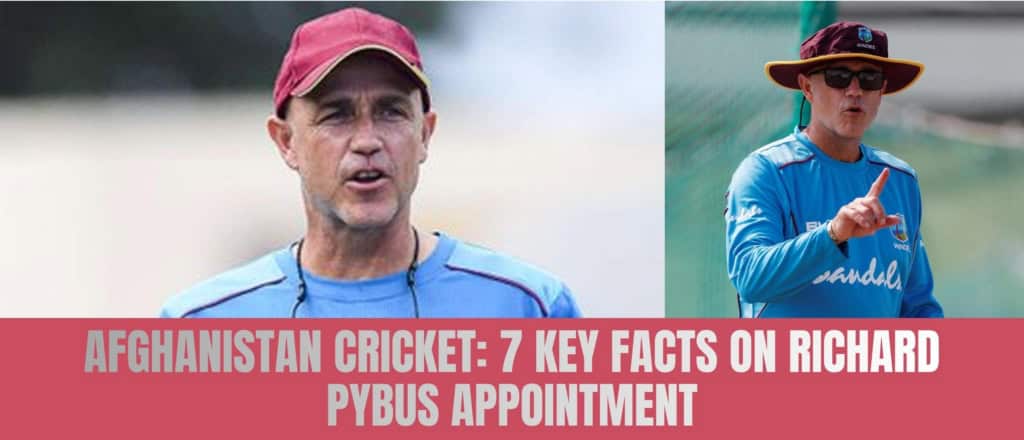
Afghanistan Cricket enters a new era with 7 key facts surrounding the appointment of Richard Pybus as head coach ahead of a crucial international season. The experienced English coach replaces Jonathan Trott following Afghanistan’s T20 World Cup exit, marking a significant transition for Afghanistan cricket on the global stage.
AFG cricket confirmed the appointment of Richard Pybus as the new head coach of the national team, signaling a strategic reset after their T20 World Cup campaign concluded. With a packed international calendar approaching, Afghanistan cricket has turned to a seasoned leader with extensive global experience.
The decision reflects AFG cricket’s ambition to strengthen its high-performance systems and compete consistently in international tournaments. Richard Pybus brings decades of coaching expertise, World Cup success, and administrative leadership to a side eager to evolve.
Richard Pybus Named Head Coach Of Afghanistan Cricket
Afghanistan cricket officially announced that Richard Pybus will take charge ahead of the upcoming white-ball series against Sri Lanka in the UAE. The appointment follows Jonathan Trott’s tenure, which ended after the team’s exit from the T20 World Cup.
By appointing Pybus, AFG cricket has opted for a coach with proven credentials across multiple international setups. His reputation for building structured high-performance environments aligns with Afghanistan cricket’s long-term development plans.
The upcoming bilateral series will serve as Pybus’ first assignment, offering an immediate test of his ability to integrate with the squad and implement tactical frameworks.
7 Key Facts About Richard Pybus And Afghanistan Cricket
Fact 1: Three-Time World Cup Winner
One of the most notable aspects of this AFG cricket appointment is Pybus’ association with three World Cup triumphs in leadership roles. His experience in guiding teams through high-pressure tournaments adds significant value to Afghanistan cricket’s ambitions.
Fact 2: Architect Of West Indies’ Historic Treble
During his tenure with West Indies from 2013 to 2019, Pybus oversaw a high-performance structure that culminated in a historic 2016 treble. The men’s, women’s, and Under-19 teams all secured ICC titles in the same year. AFG cricketwill hope he can replicate similar structural impact.
Fact 3: Guided Pakistan To 1999 World Cup Final
Pybus previously coached Pakistan to the final of the 1999 ICC Cricket World Cup. That experience of navigating a global tournament deep into knockout stages provides AFG cricket with a leader familiar with elite competition demands.
Fact 4: Experience With Bangladesh Cricket
In 2013, Pybus also held a senior leadership role with Bangladesh cricket. His exposure to subcontinental playing conditions and team dynamics could benefit AFG cricket, given regional similarities in pitches and opposition styles.
Fact 5: Domestic Success In South Africa
At the domestic level, Pybus enjoyed remarkable success in South African franchise cricket, with teams under his guidance winning nine championship titles. Afghanistan cricket’s management values this proven record of building winning cultures.
Fact 6: Player Development Expertise
Richard Pybus has worked closely with several international stars, contributing to the development of players such as Mohammad Rizwan, Faf du Plessis, and Dale Steyn. Afghanistan cricket will benefit from his individualized performance coaching methods.
Fact 7: Academic And Professional Credentials
Beyond coaching, Pybus holds a Doctorate in Professional Practice and advanced certifications in performance coaching. Afghanistan cricket’s decision reflects not only his match experience but also his academic grounding in high-performance systems.
Why Afghanistan Cricket Chose Richard Pybus
The transition in AFG cricket leadership comes at a critical juncture. With increasing participation in global tournaments and bilateral series, structural refinement is essential.
Pybus’ expertise in designing performance systems aligns with Afghanistan cricket’s need to strengthen bench depth and tactical planning. His emphasis on preparation, analytics, and psychological conditioning could elevate Afghanistan cricket’s competitive consistency.
Furthermore, AFG cricket has steadily gained recognition for its spin talent and fearless batting. Under Pybus, these strengths may be integrated into a more cohesive long-term blueprint.
Immediate Challenges For Afghanistan Cricket
Despite the optimism surrounding the appointment, AFG cricket faces immediate challenges. The upcoming white-ball series against Sri Lanka will test squad balance, bowling adaptability, and middle-order stability.
Transition periods often require patience. Pybus will need to quickly assess team dynamics, leadership roles, and tactical clarity within AFG cricket to ensure smooth implementation of his strategies.
The international calendar remains crowded, leaving limited preparation time. AFG cricket must therefore maximize every training session and match opportunity under the new regime.
Long-Term Vision For Afghanistan Cricket
AFG cricket has evolved significantly over the past decade, transforming from emerging status to competitive force in global tournaments. Sustaining that trajectory demands structured development pathways and leadership continuity.
Richard Pybus’ background in building high-performance frameworks suggests Afghanistan cricket aims to institutionalize success rather than rely solely on individual brilliance. Strengthening domestic pipelines, data analysis, and mental resilience could define the next chapter.
With experienced players forming the core and emerging talent pushing through, AFG cricketstands poised for growth. The challenge lies in translating potential into consistent international results.
What This Means For Afghanistan Cricket Future
The appointment of Richard Pybus signals intent. AFG cricket is not merely rebuilding after a T20 World Cup exit but strategically positioning itself for sustained competitiveness.
Success under Pybus will depend on synergy between coaching philosophy and player execution. If alignment is achieved, AFG cricketcould strengthen its standing in both white-ball and red-ball formats.
As preparations begin for upcoming international assignments, the spotlight will remain firmly on AFG cricket and its new head coach. The coming months will determine whether this leadership change becomes a defining turning point in the nation’s cricketing journey.




Responses