

Gautam Gambhir To Stay As India Coach After SA Test Loss

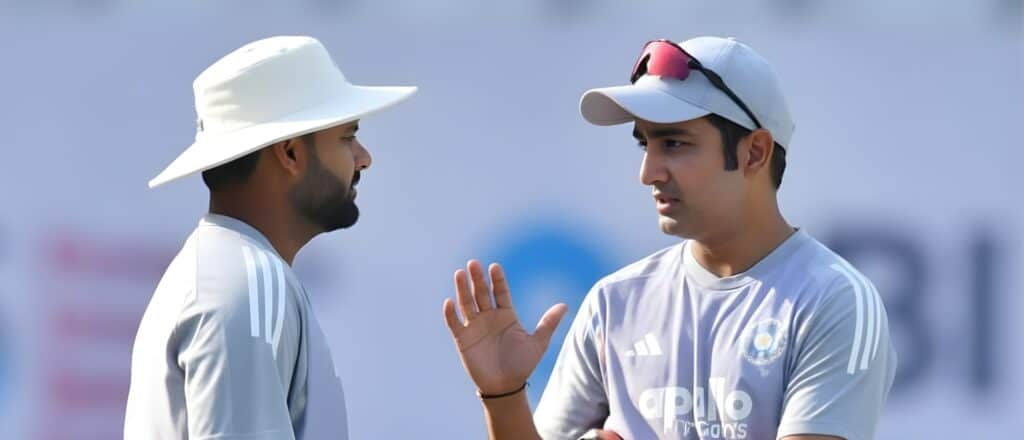
Gautam Gambhir will continue as the head coach of the Indian cricket team despite the recent 0-2 Test series defeat against South Africa, according to BCCI sources. The series loss, which marked India’s second clean sweep at home in just over a year, sparked widespread speculation regarding Gambhir’s future. Rumors suggested that VVS Laxman could replace him as India’s red-ball coach, but the BCCI has reaffirmed its confidence in Gambhir, emphasizing continuity and long-term planning.
India’s Historic Loss and Public Backlash
India’s 0-2 defeat to South Africa at Barsapara Cricket Stadium has been widely criticized as one of the most humiliating results in recent Indian cricket history. The team lost the second Test by a staggering 408 runs, marking the biggest margin of defeat by runs on home soil. This performance has triggered intense scrutiny of both the players and the coaching staff, with some fans even calling for immediate changes in leadership.
Despite the criticism, cricket analysts have highlighted that series losses are often symptomatic of broader team issues, including inconsistent player performances, selection dilemmas, and tactical execution on the field. While public opinion may be heavily swayed by media coverage, the BCCI has taken a measured approach, choosing not to make hasty decisions about the coach’s future.
BCCI Sources Confirm Gambhir’s Role
BCCI insiders have confirmed that Gautam Gambhir’s contract runs until the 2027 World Cup and that there are no immediate plans to replace him. The board plans to hold a meeting between selectors and team management at the conclusion of the South Africa white-ball series to evaluate team performance and discuss strategies to enhance the Test squad’s results.
Key Statements From BCCI Sources
“We are not looking to replace Gautam Gambhir at the moment. He is rebuilding a team.”
“There will be a meeting at the end of the South Africa tour to discuss how to improve the Test team’s performance while transitioning young players into the side.”
The BCCI reaffirmed its commitment to giving Gambhir the necessary support to implement long-term plans, indicating that continuity in coaching is seen as vital for stabilizing the team.
Sunil Gavaskar’s Perspective on Gambhir
Legendary former India captain Sunil Gavaskar publicly defended Gambhir, emphasizing that a coach can only guide the team, but execution lies with the players. Gavaskar criticized the selective criticism of coaches, pointing out that past achievements under Gambhir’s guidance, such as winning the Champions Trophy and the Asia Cup, were often overlooked.
Gavaskar’s Key Points
The coach provides tactical plans, prepares the squad, and advises players, but cannot perform on the field.
Criticism should be contextual; singling out the coach after a series loss ignores player responsibility.
Gavaskar highlighted that success in cricket is collective, and accountability should be shared between players, selectors, and management.
Challenges Gambhir Faces Ahead
Rebuilding the Indian Test team is a daunting task. The series losses against South Africa exposed weaknesses in both batting and bowling units. Young players are still finding their footing, and experienced members have underperformed in crucial moments. Gambhir now has the dual responsibility of nurturing emerging talent while ensuring the seasoned players regain form and confidence.
Key Areas of Focus
Batting Consistency: India’s top and middle order has struggled to convert starts into match-winning scores, especially under pressure from quality overseas attacks.
Bowling Adaptation: The bowling unit needs to develop strategies to exploit home conditions effectively and handle aggressive oppositions.
Team Cohesion: Integrating new players and maintaining a positive dressing-room culture is vital for long-term success.
Mental Toughness: Players must be prepared to handle scrutiny and bounce back from setbacks without losing focus.
Historical Context of Coaching Stability in Indian Cricket
The BCCI has often emphasized continuity in coaching staff as a cornerstone for long-term success. Abrupt changes at the coaching level have historically disrupted team rhythm, as seen in past transitions between coaches. By retaining Gambhir, the board is signaling its belief in a structured, patient approach rather than knee-**** decisions based on short-term results.
Examples From Past Coaching Decisions
When India won the Champions Trophy and Asia Cup, coaches received credit only for guidance; players executed the performance.
Hasty removals of previous coaches during losing streaks often led to inconsistent team performances, underscoring the importance of stability.
Public Opinion and Media Speculation
The series loss has inevitably fueled debate among fans and cricket pundits. Social media reactions ranged from calls for Gambhir’s resignation to criticism of specific player performances. While public sentiment is an important factor, experts agree that rebuilding a Test side is a gradual process and should not be judged solely by immediate results.
Gambhir’s Path Forward
Gambhir’s focus will likely be on building a cohesive and competitive side capable of excelling in both home and away conditions. With young talents emerging and experienced players underperforming, he will have to balance mentorship with accountability. Key upcoming tournaments, including white-ball series and Test tours, will serve as crucial platforms for assessing team progress.
Strategic Measures
- Prioritize form-based selection to encourage healthy competition within the squad.
- Implement training programs to strengthen player skills and mental resilience.
- Collaborate closely with selectors to identify potential future stars for the Test format.
- Leverage analytics and performance data to make informed tactical decisions.
Conclusion
The decision to retain Gautam Gambhir as India’s head coach highlights the BCCI’s commitment to continuity, long-term planning, and measured evaluation. While the 0-2 Test series defeat against South Africa was a significant setback, the board’s support allows Gambhir to focus on rebuilding the team, nurturing young talent, and addressing performance gaps. By emphasizing shared responsibility between players and coaching staff, Indian cricket aims to restore its dominance at home and overseas in the coming years.
Gambhir’s tenure will be closely monitored, but the approach reflects a belief in patience, structured planning, and collective accountability—essential elements for sustained success in international cricket.



Responses