

Virat Kohli Walks Past Gautam Gambhir, Indian Dressing Room Drama Ahead of 2nd ODI

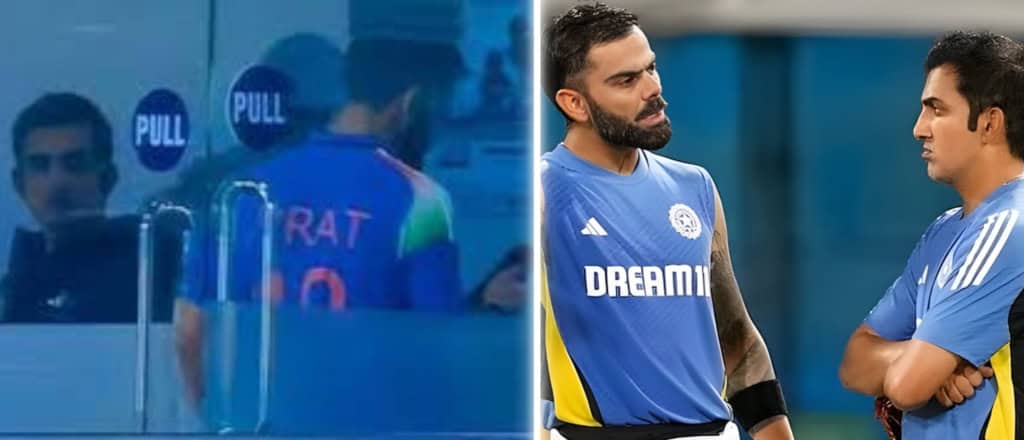
Virat Kohli once again finds himself at the center of dressing-room discussions as India gears up for the second ODI against South Africa in Raipur. The dynamics involving Kohli, Rohit Sharma, and head coach Gautam Gambhir have sparked widespread speculation, especially as their interactions—or noticeable lack thereof—continue to draw attention. This renewed intrigue comes as India looks to secure a 2-0 lead in the three-match series following their thrilling victory in Ranchi.
The Kohli-Gambhir Tension
During a tense net session ahead of the Raipur clash, Virat Kohli appeared to walk past head coach Gautam Gambhir without acknowledging him, reigniting rumors of friction between the two senior figures. According to reports from PTI, Kohli, after completing his intense session with throw-down specialists, casually slung both his bats over his shoulders and made his way out of the nets, bypassing Gambhir entirely.
This incident, though seemingly small, has drawn attention because of the ongoing narrative surrounding Kohli’s relationship with the coach. Over recent weeks, several visuals and reports suggested that Gambhir and Kohli have been less than communicative in the dressing room, fueling speculation about tension between the veteran batter and India’s head coach.
While Kohli’s focus has remained unwavering, the episode highlights the challenges of managing senior players alongside team leadership, especially when personalities and histories clash in high-pressure environments.
Rohit Sharma Steps In
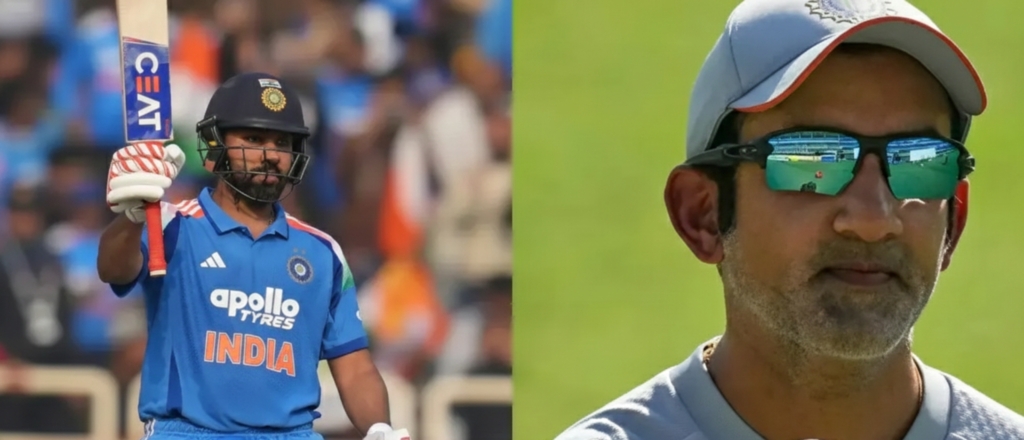
Interestingly, while Kohli appeared to avoid Gambhir, Rohit Sharma stopped briefly to engage with the coach after completing his own net session. This small but significant gesture illustrated the subtle differences in how the two senior players are interacting with Gambhir. Rohit, who has often played a mediating role in the dressing room, appears more willing to maintain communication, even in times of tension.
Reports indicate that senior national selector Pragyan Ojha was sent to Raipur to act as a mediator between Gambhir and Kohli, emphasizing the seriousness with which the BCCI is monitoring team harmony. Despite these behind-the-scenes efforts, it seems the relationship between the coach and the veteran batter may require more time to repair fully.
Focus Remains on Cricket
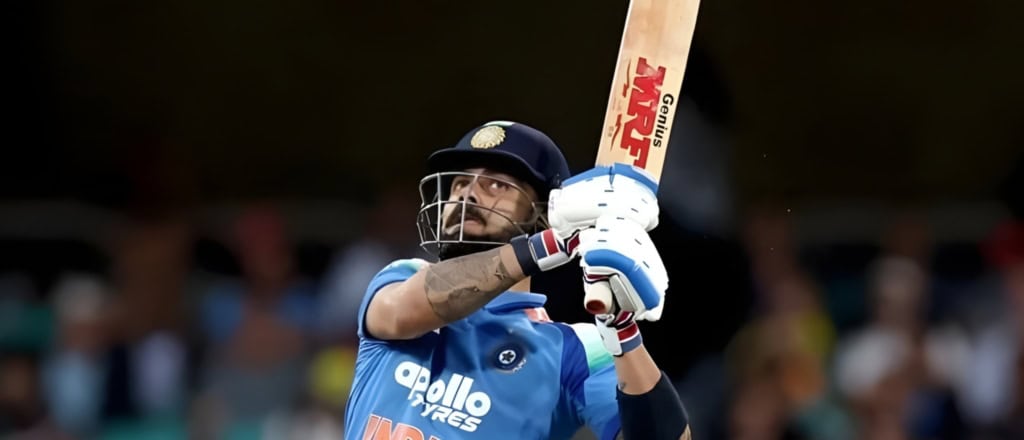
Despite the off-field drama, Kohli and Rohit remained intensely focused during their net sessions. Facing throw-down specialists Raghu (right-arm) and Nuwan Seneviratne (left-arm), Kohli showcased his trademark intensity, middleing most deliveries while occasionally being tested by raw pace. Rohit, meanwhile, kept his own net session equally rigorous, demonstrating why both are considered pillars of the Indian batting lineup.
The intensity in the nets was mirrored across the practice facility, with other Indian players, including young opener Yashasvi Jaiswal and wicketkeeper-batter Rishabh Pant, putting in hard yards. The mood was aggressive, reflecting India’s intent to carry the momentum from their first ODI win into the second match.
The Stakes Ahead of the Second ODI
India currently leads the three-match series 1-0 after a thrilling 17-run win in Ranchi. Kohli’s 52nd ODI century and Rohit’s steady half-century anchored the innings, leaving South Africa struggling to chase. Their form has been crucial in India’s success, and the duo’s performances are likely to be decisive again in Raipur.
However, the team dynamics behind the scenes are equally under the microscope. The BCCI and coaching staff are conscious of the need to maintain harmony, especially with the 2027 ICC ODI World Cup on the horizon. Kohli and Rohit remain key figures in India’s plans, making their collaboration with the coaching staff vital.
Kohli and Gambhir: A Complex Relationship
The Kohli-Gambhir situation is not a new development. Since Gambhir took over as head coach, questions have been raised about his rapport with senior players, particularly the stalwarts of the Indian batting order. Kohli, known for his intensity and high standards, has reportedly had differences in approach compared to Gambhir’s methods.
Former players and analysts have noted that while Kohli thrives under challenge and high-intensity training, he can sometimes struggle with hierarchical pressures or differing coaching styles. Gambhir, a highly successful former opener with his own strong cricketing philosophy, may occasionally clash with Kohli’s approach, leading to the moments of visible tension that fans and media observe.
Rohit Sharma’s Role as Mediator
Rohit Sharma has often played the role of a bridge between senior players and the coaching staff, using his experience and diplomatic approach to maintain team cohesion. His brief interaction with Gambhir in Raipur underscores this tendency. Rohit’s ability to navigate the interpersonal dynamics while keeping the focus on performance has been credited with smoothing over potential conflicts and allowing players to concentrate on cricket.
Mohammed Kaif, former India cricketer, has often emphasized the importance of senior players guiding younger talent and maintaining harmony:
“In a team with multiple big personalities, someone like Rohit Sharma becomes a stabilizing force. It’s not just about runs; it’s about ensuring the dressing room environment remains positive, even under pressure.”
Young Players Observing the Drama
Amid the veteran dynamics, younger players such as Yashasvi Jaiswal and Tilak Varma are gaining invaluable lessons in both cricketing skills and team professionalism. Observing how stalwarts like Kohli and Rohit interact with coaches and manage pressure provides a template for handling high-stakes cricket.
Yashasvi’s leg-side strokes in the net sessions, along with Rishabh Pant’s finishing practice, showcased India’s depth and reinforced the importance of keeping focus on the game regardless of off-field distractions.
The Bigger Picture: Team Harmony vs. Performance
The Indian team’s immediate priority is winning the second ODI in Raipur. With Kohli and Rohit in peak form, India has a clear advantage. However, the Kohli-Gambhir dynamic highlights a recurring challenge in international cricket: balancing player autonomy, coaching authority, and team cohesion.
Selector Pragyan Ojha’s presence in Raipur indicates the BCCI’s proactive approach in managing potential conflicts. The board understands that unresolved tension could impact performance, especially with major tournaments like the ODI World Cup looming.
Analysts believe that the current situation is manageable as long as players remain focused and respect professional boundaries. Kohli and Rohit have demonstrated time and again that their on-field excellence often outweighs off-field drama, and fans are likely to see this again in Raipur.
Conclusion
The net sessions in Raipur ahead of the second ODI against South Africa offered a compelling mix of cricketing intensity and behind-the-scenes intrigue. While Virat Kohli walked past Gautam Gambhir without interaction, Rohit Sharma’s brief conversation with the coach highlighted the subtleties of dressing room dynamics.
Despite the speculation, the focus for India remains clear: winning the series and preparing for future challenges. Kohli and Rohit’s performances, alongside the guidance of younger players and the coaching staff, will be central to India’s success.
The drama also serves as a reminder of the delicate balance between team hierarchy, seniority, and coaching authority in modern cricket. For fans and analysts alike, the Kohli-Gambhir-Rohit triangle offers a fascinating lens into how Indian cricket navigates performance, personalities, and professionalism in high-pressure situations.
As India prepares to take on South Africa in Raipur, all eyes will be on Kohli and Rohit, not just for their runs, but for how the team navigates the subtler, off-field aspects of cricket leadership.


Responses