

Gautam Gambhir’s All-Rounder Strategy Gains Jacques Kallis’ Support Amidst Criticism


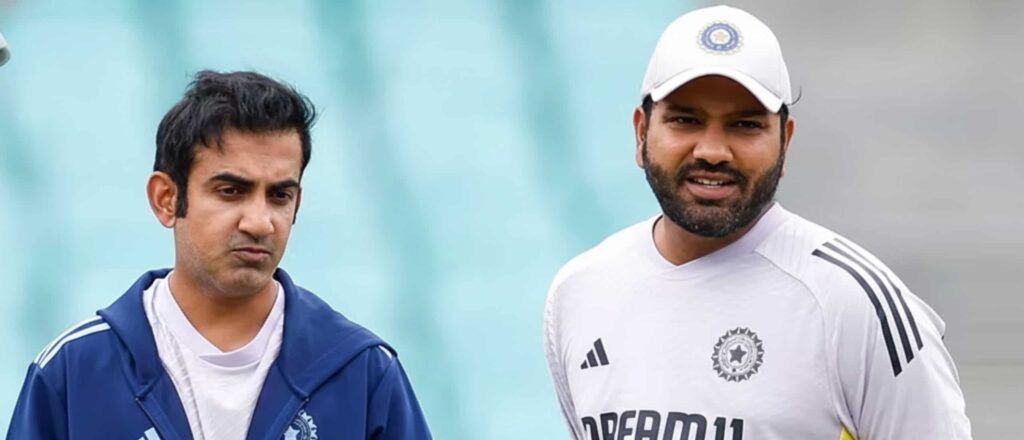
Gautam Gambhir has found himself at the center of a heated debate over his team selection strategy, particularly his emphasis on including all-rounders in the playing XI. Despite criticism from former cricketers and analysts following India’s 408-run defeat to South Africa in the second Test a record loss for the hosts Gambhir has now received backing from none other than legendary all-rounder Jacques Kallis, widely regarded as one of the greatest all-rounders in cricket history.
The Controversy Around Gautam Gambhir’s Strategy
The criticism stems from Gautam Gambhir’s selection of multiple multi-skilled players in the Test side, including Washington Sundar, Axar Patel, Ravindra Jadeja, and Nitish Kumar Reddy. While the intention was to deepen the batting line-up and provide balance to the team, the result—India’s biggest-ever Test defeat has raised eyebrows about whether the all-rounder-heavy approach is suitable for the longest format of the game.
Former India spinner Anil Kumble was particularly vocal, saying, “Test match cricket requires a different mindset, you can’t really have so many all-rounders, so much chopping and changing, so many changes in the batting order, in the team itself.” Similarly, ex-India pacer Venkatsh Prasad criticized the selections on social media: “Really disappointed by how India is going about in Test cricket. The all-rounder obsession is absolute brain-fade, especially when you don’t bowl them. Rank poor tactics, poor skills, poor body language and an unprecedented 2 series whitewash at home.”
Critics argue that while India did include multiple all-rounders, some like Washington Sundar and Nitish Reddy were barely used in the bowling department, which, they claim, defeats the very purpose of selecting multi-skilled players. This has fueled the perception that Gambhir’s strategy may be more ideological than tactical.
Jacques Kallis Backs Gautam Gambhir
Amid widespread criticism, Gambhir has received support from Jacques Kallis, who understands the value of genuine all-rounders in modern cricket. Speaking to the Hindustan Times, Kallis said:
“Yes, 100 per cent. It just gives you a balance to your team. It makes you bat a lot deeper, and you know, it allows you, perhaps, you do have a longer batting order with your all-rounders to go a little bit harder up front and in the middle. So it plays a big role in that, you know, as well as balancing it out. So I think in any format, all-rounders are really important. However, particularly in the shorter version of the game, it does play a significant role.”
Kallis’ support highlights a crucial perspective: in modern cricket, all-rounders can provide flexibility, balance, and depth, allowing teams to adjust strategies on the fly. He emphasized that while all-rounders are especially valuable in limited-overs cricket, their contribution can be significant in Tests if used effectively.
The Role of All-Rounders in Modern Cricket
The debate around Gambhir’s strategy touches on a larger question about the role of all-rounders in cricket. Traditionally, Test cricket has emphasized specialists: frontline batters and bowlers whose roles are clearly defined. However, with the rise of multi-format players and the increasing intensity of cricket schedules, all-rounders provide a dual advantage:
Batting Depth: All-rounders can bat anywhere in the order, helping teams recover from collapses or accelerate scoring.
Bowling Flexibility: They allow captains to rotate bowlers and maintain pressure across long spells.
Jacques Kallis, a player who excelled as both a batter and a bowler over a long international career, embodies this philosophy. His backing of Gambhir suggests that, if used correctly, all-rounders can be just as crucial in Tests as in ODIs or T20Is.
Where Gambhir’s Strategy Faltered
Despite Kallis’ endorsement, the execution of the strategy in India’s recent Tests has faced scrutiny. Critics highlight several issues:
Underutilized bowlers: Sundar and Nitish Reddy were not given significant overs, undermining the tactical advantage of selecting them.
Batting order instability: Frequent shuffling and experimentation disrupted the team’s rhythm.
Poor results: India suffered a record 408-run defeat and a whitewash in the series, fueling criticism that the team’s balance was more theoretical than practical.
These points suggest that while the philosophy of having multiple all-rounders is sound in theory, its implementation requires careful planning and match awareness. Selecting all-rounders without leveraging their skills effectively diminishes the strategic benefit.
The Broader Implications for Indian Cricket
Gambhir’s approach raises larger questions about India’s long-term strategy in Test cricket. Is the team moving towards a multi-skilled, flexible squad, or is this selection policy compromising results in the traditional format?
Former players like Kumble and Prasad argue for a more specialist-oriented approach, especially in Tests, where patience, technique, and defined roles are crucial. Conversely, Kallis’ support highlights a forward-looking vision, where the modern game values adaptability, depth, and dynamic skill sets.
This debate reflects the evolving nature of cricket in India. The rise of T20 leagues and multi-format schedules has encouraged teams to favor players who can contribute in multiple areas. Gambhir’s strategy may be aligned with this new-age philosophy, even if it conflicts with traditional expectations.
Conclusion
Gautam Gambhir’s push to include all-rounders in the Indian Test side has triggered widespread criticism, particularly after India’s historic defeat against South Africa. While former players like Anil Kumble and Venkatsh Prasad have openly questioned the logic and execution of the strategy, Jacques Kallis’ endorsement provides a counterpoint, emphasizing the value of multi-skilled players in building a balanced team.
The key takeaway is that all-rounders can be game-changers, but only if they are effectively used. India’s recent losses suggest that while the strategy has merit, its implementation needs refinement. For Gambhir, the challenge lies in finding the right balance between innovative selection policies and practical execution on the field.
As the debate continues, the cricketing world will closely watch whether India can adapt its tactics and make optimal use of its all-rounders, turning theory into match-winning performance in future series.




Jacques Kallis is my favourite one.