

Usman Khawaja Blasts Racial Bias After Ashes Criticism in Emotional Retirement Speech


Usman Khawaja Speaks Out on Racial Bias in Australian Cricket
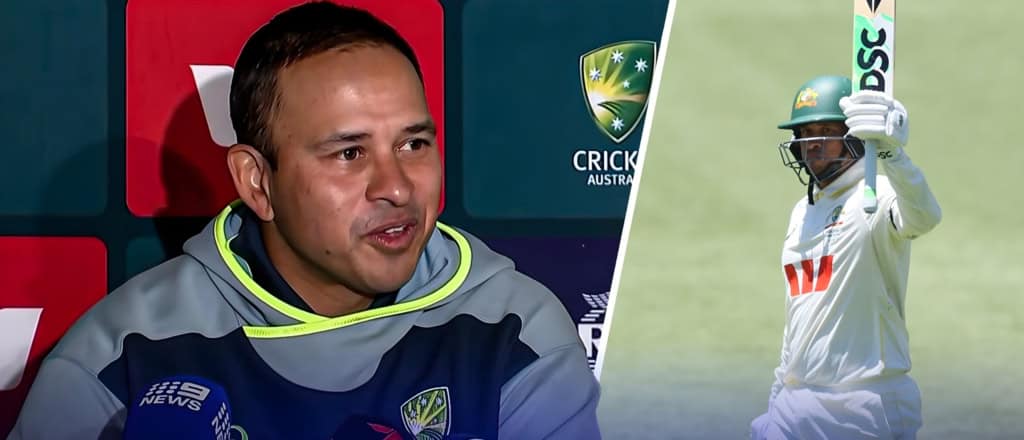
Australian cricket star Usman Khawaja has openly addressed the racial bias and discrimination he faced throughout his career, following criticism during the Ashes series over his back injury. Khawaja, who recently announced his retirement from international cricket after the fifth Ashes Test against England, revealed that the scrutiny he faced was not merely about his performance, but deeply personal and tied to racial stereotypes. His retirement press conference became a platform to highlight longstanding issues of racial inequality in Australian cricket.
Ashes Back Injury Controversy
During the early stages of the Ashes series, Khawaja suffered back spasms that prevented him from opening the batting at Perth. This incident sparked intense media criticism. While some Australian players in similar situations had faced minimal attention, Khawaja found himself under prolonged scrutiny. “I had back spasms, and that’s something I couldn’t control. But the way the media and the past players came out and attacked me, I could have copped it for two days, but I copped it for about five days straight. And it wasn’t even about my performances,” he explained. Khawaja emphasized that the attacks focused on personal assumptions about his commitment and preparation, which he believes were influenced by racial prejudice.
The Role of Racial Stereotypes
Khawaja, born in Pakistan and the first Muslim to play Test cricket for Australia, highlighted the racial undertones he experienced throughout his career. “I’m a coloured cricketer. The Australian cricket team is, in my opinion … that’s our best team. It’s our pride and joy. But I’ve also felt very different in a lot of respects, different by the way I’ve been treated, different for how things have happened,” he said. Khawaja pointed out that he was judged more harshly than other players for activities like playing golf or attending events before matches, while non-Asian teammates were rarely criticized for similar actions.
Comparisons to Fellow Players
Khawaja noted multiple examples where Australian players were given leniency. Josh Inglis missed the 2022 T20 World Cup due to a golf injury, Glenn Maxwell missed an ODI in the 2023 World Cup after falling from a golf cart, and Steven Smith rested after the Champions Trophy. Nathan Lyon skipped the Sheffield Shield to manage a hip issue. “You guys had a crack at me for missing a game, yet plenty of my teammates, who were not playing, you didn’t say a word. So for me, I’ve been dealing with this stuff a long time,” he said. The consistent discrepancy in treatment, Khawaja argued, reflected implicit bias within media coverage and public perception of players from minority backgrounds.
Criticism of Media and Former Players
Khawaja expressed frustration with how past players and the media perpetuated racial stereotypes. He explained that comments labeling him as lazy, selfish, or insufficiently committed were not based on performance but personal assumptions influenced by race. “I just thought that the media and the old players and everyone else had moved past it, but we obviously haven’t fully moved past it,” he remarked. Khawaja’s statement called for greater accountability in how retired players and journalists discuss current cricketers, particularly those from diverse backgrounds.
Career Highlights and Achievements
Despite these challenges, Khawaja enjoyed a distinguished career. He represented Australia in Tests, ODIs, and T20Is, becoming a key player in many series. His technique, resilience, and leadership earned him respect internationally. Beyond his on-field accomplishments, Khawaja’s stance against racial stereotyping represents a significant contribution to advocating diversity and inclusion in cricket.
Personal Experiences Driving Advocacy
Khawaja described his retirement press conference as a necessary step to ensure the next generation faces a fairer environment. “I felt that I had to bring this up. I didn’t want to talk about this, but I just want the journey for the next Usman Khawaja to be different,” he said. By sharing personal experiences, he hopes to highlight systemic issues and encourage equal treatment for all players, irrespective of race or religion.
Calls for Equality and Change
Throughout his speech, Khawaja emphasized the importance of treating all cricketers fairly. He called on cricket boards, teammates, and the media to avoid racial stereotyping and maintain consistency in judgment. His statements reflect a growing awareness of diversity issues within cricket globally and underline the need for structural reforms to protect players from discrimination. “Treat them with the same cloak that you would treat any of my wholesome other cricketers that I play with,” he said, urging equal respect for every player.
Reflection on Legacy
Khawaja leaves international cricket with a mixed legacy of remarkable achievements on the field and a courageous stand against inequality off it. His career serves as both an inspiration for aspiring cricketers and a reminder of the importance of inclusivity. By addressing racial bias publicly, Khawaja has opened an important dialogue that could shape the culture of Australian cricket for years to come.
Conclusion: Khawaja’s Enduring Impact
Usman Khawaja’s retirement is a milestone moment in cricket history. Beyond statistics and victories, his candid discussion of racial stereotyping highlights persistent challenges faced by minority athletes. By confronting these issues, Khawaja not only champions fairness but also paves the way for future cricketers to compete without fear of discrimination. His legacy will be remembered not just for runs scored but for courage and advocacy for equality in the sport.




Responses