

Shubman Gill Responds to ODI ‘Easiest Format’ Claim


Shubman Gill has bluntly addressed claims that ODI cricket is the “easiest format,” responding to comments by former India cricketer Sanjay Manjrekar. Ahead of the India vs New Zealand ODI in Vadodara, Gill rejected the idea that winning ODIs is simple, emphasizing the skill, resilience, and determination required to succeed at the international level.
The Controversial ODI Comment
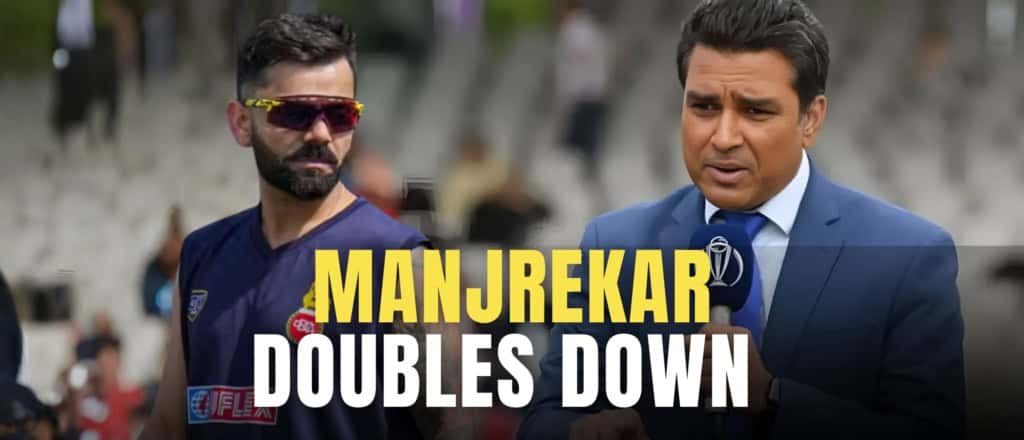
Sanjay Manjrekar recently criticized Virat Kohli’s decision to retire from Test cricket, claiming that ODIs are the “easiest format” for top-order batters. Manjrekar contrasted Kohli with Joe Root, Steve Smith, and Kane Williamson, all still active in Test cricket, suggesting Kohli “gave up” on fixing flaws in the longest format while continuing in ODIs. This remark sparked debate among cricket fans and analysts alike.
Shubman Gill’s Response to the ODI Criticism
When asked about Manjrekar’s comments during a press conference, India captain Shubman Gill firmly rejected the notion that ODIs are easier than other formats. He said, “I don’t think any format is easy. The Indian cricket team hasn’t won a World Cup since 2011, so if it was that easy, we would be winning the World Cup every second edition.” Gill emphasized that success in ODIs requires persistence, resilience, and strategic thinking.
ODI Cricket Requires Skill and Resilience
Shubman Gill elaborated that top-level ODI cricket demands careful preparation, mental toughness, and adaptability. “It requires a lot of resilience, a lot of persistence, and a lot of determination to be able to win big ICC tournaments,” he said. His comments highlight that even though ODIs are limited-overs matches, they present unique challenges compared to Test cricket or T20s.
Manjrekar’s Perspective on ODIs
Sanjay Manjrekar defended his stance on Instagram, explaining why he believes ODIs are easier for top-order batters. He suggested that historically, many Indian batsmen preferred the middle order in Test cricket but eagerly opened in ODIs due to easier conditions. “The first advantage you get when you are opening in 50-over cricket or batting at No. 3 is that there are no four slips and a gully,” he explained, adding that bowlers aim to contain rather than aggressively dismiss batters in ODIs.
The Fab 4 and Kohli’s Retirement
Manjrekar also highlighted Kohli’s position among cricket’s ‘Fab 4’ alongside Joe Root, Steve Smith, and Kane Williamson. While Kohli retired from Tests, the other three continue to excel in the format. Manjrekar suggested that Kohli’s choice reflects an inability to overcome certain technical challenges in Tests, although this perspective has faced pushback from many cricket analysts.
The Broader Debate on Cricket Formats
This exchange reignites the debate on the difficulty of cricket formats. ODIs combine tactical planning, aggressive scoring, and match awareness, making them complex despite the perception of being easier. Shubman Gill’s response underlines that international cricket demands excellence in all formats, and no version of the game should be underestimated.
Key Takeaways for Fans and Analysts
- ODIs are not easy: Success requires skill, mental resilience, and strategic execution.
- Top-order advantages: Openers may face fewer field restrictions, but pressure remains high.
- Test cricket vs ODIs: Retirement choices often reflect personal priorities, workload, and career strategy.
- Shubman Gill’s leadership: Emphasizes teamwork and learning from senior players like Rohit Sharma and Virat Kohli in ODI matches.
Conclusion: No Format Is ‘Easy’
Shubman Gill’s blunt take challenges oversimplified notions of cricket difficulty. While ODIs differ from Test cricket, the format demands consistent performance and sharp decision-making. The debate surrounding Kohli’s retirement and Manjrekar’s critique demonstrates the passion and scrutiny surrounding cricket at the highest level. Fans can expect continued discussions on player decisions, format challenges, and strategic excellence in the coming series.




Responses