

Pakistan T20 Lawsuit Risk: $38M India Match Threat


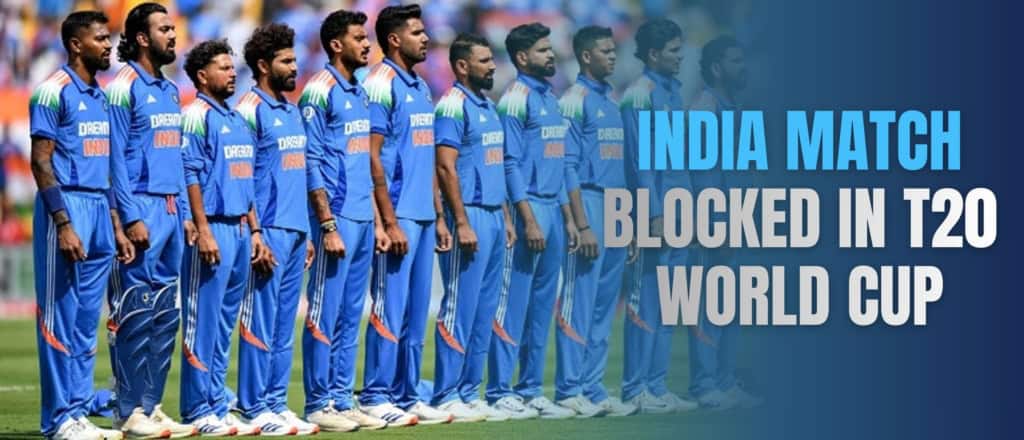
Pakistan T20 fans are closely watching as the Pakistan Cricket Board (PCB) faces the possibility of a $38 million lawsuit if it chooses to boycott its match against India in the T20 World Cup 2026. This potential legal battle stems from contractual obligations with the tournament’s host broadcaster and underscores the high stakes surrounding Pakistan’s participation in international cricket events.
Pakistan T20 Lawsuit Risk: PCB Faces High-Stakes Legal Challenge
The Pakistan Cricket Board has already announced its squad for the T20 World Cup 2026, but the management is awaiting government clearance before confirming participation. PCB Chairman Mohsin Naqvi met with Prime Minister Shehbaz Sharif to discuss the country’s stance on the tournament, particularly regarding the India match.
A boycott of the India fixture could trigger a $38 million legal claim from the broadcaster, tied to revenue from advertising slots, branded programming, and sponsorship integrations. Such an outcome would pose severe financial and reputational risks for Pakistan cricket.
Legal Basis for the Lawsuit
Member Participation Agreement Obligations
Pakistan, like all other participating cricket boards, has signed the Member Participation Agreement with the International Cricket Council (ICC). This legally binding contract ensures all teams honor their tournament commitments. Any breach, including forfeiting a match, could lead to:
- ICC sanctions
- Contractual penalties
- Legal action from commercial partners and broadcasters
Financial Implications
The broadcaster’s $38 million claim is tied specifically to the India match, reflecting revenue expectations from advertising, sponsorships, and media rights. For the PCB, a boycott could result in:
- Loss of sponsorship deals
- Reputational damage among international partners
- Potential restrictions in future ICC events
Political and Administrative Context
Mohsin Naqvi, who also holds the position of Interior Minister, faces a complex balancing act between political pressures and cricket administration responsibilities. Reports suggest that the PCB’s decision-making involves:
- Aligning with government directives
- Managing public and political sentiment
- Ensuring compliance with ICC regulations
Meeting with Prime Minister Shehbaz Sharif
Naqvi met with the Prime Minister on Monday to discuss the issue. According to Naqvi’s social media post, a final decision on Pakistan’s participation will be made either this Friday or next Monday. The meeting aimed to ensure that all options remain on the table while resolving the matter in line with international commitments.
The Broader Cricket Impact
A Pakistan boycott of the India match could have broader implications for the T20 World Cup 2026:
- Disruption of the tournament schedule
- Legal disputes affecting the ICC and host broadcaster
- Fans and sponsors experiencing uncertainty over marquee matchups
ICC Oversight and Consequences
The ICC’s role is crucial in ensuring compliance with participation agreements. Any unilateral withdrawal from the tournament could result in:
- Suspension of PCB privileges in ICC events
- Heavy fines for contractual breaches
- Damage to Pakistan’s cricketing reputation globally
Stakeholder Reactions
Broadcaster Concerns
The host broadcaster has emphasized that the India-Pakistan fixture is a key revenue generator. A boycott could affect:
- Millions in advertising revenue
- Global TV viewership
- Sponsorship and marketing contracts
Public and Media Response
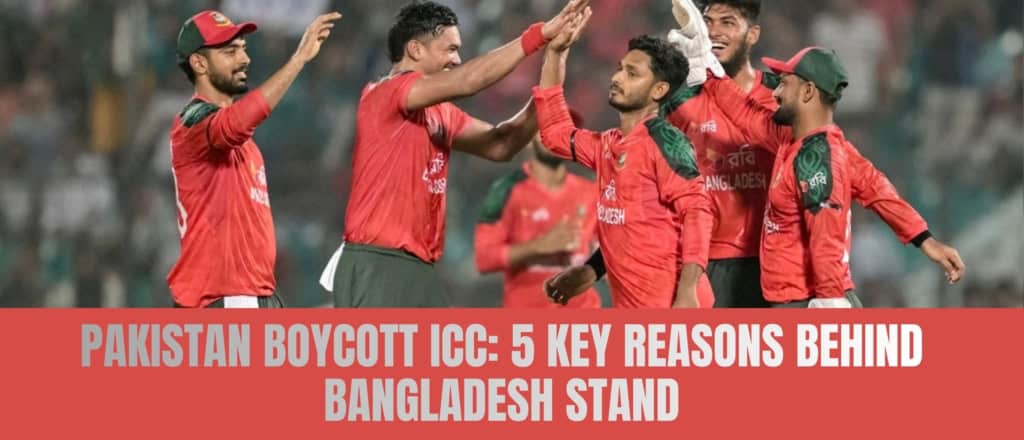
Pakistani media reports suggest multiple avenues by which the PCB could show solidarity with Bangladesh, following the latter’s removal from the tournament. However, experts warn that a boycott of the India match is financially and legally imprudent.
Future Scenarios for PCB
Given the legal and financial stakes, the PCB is expected to weigh all options carefully. Possible outcomes include:
- Full Participation: Competing in all matches, including against India, adhering to ICC rules.
- Strategic Statement Without Boycott: Expressing solidarity through non-disruptive means.
- Full Boycott (High Risk): Forfeiting the India match, triggering the $38 million lawsuit and ICC sanctions.
Each scenario carries significant implications for Pakistan cricket’s finances, governance, and international relations.
Conclusion
The Pakistan T20 team is at a critical juncture ahead of the T20 World Cup 2026. While political and social pressures may influence the PCB’s decision-making, the potential $38 million lawsuit for boycotting the India match serves as a stark reminder of the legal and financial responsibilities associated with international cricket.
As fans await the PCB’s final decision later this week, the focus remains on striking a balance between political expectations and cricketing commitments. The outcome will shape Pakistan’s future participation in ICC events and set a precedent for governance in international cricket.

Responses