

Pakistan India Match Boycott: 8 Major ICC Warnings & Consequences

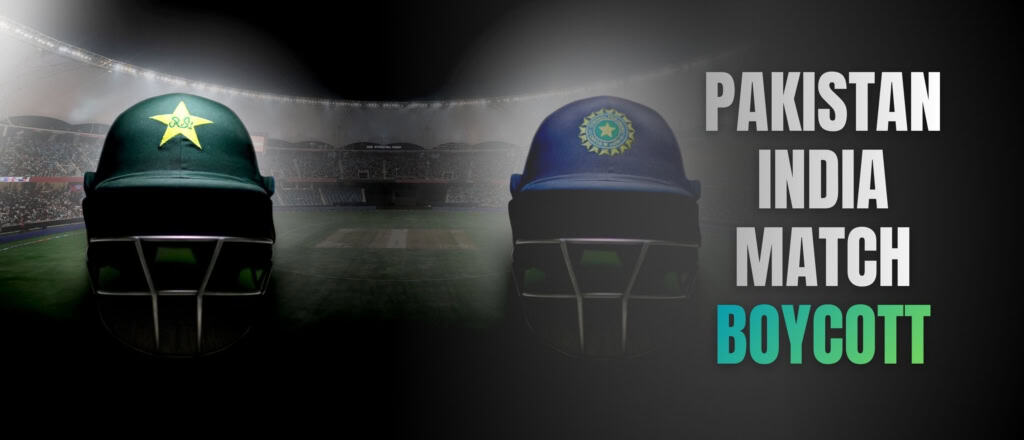
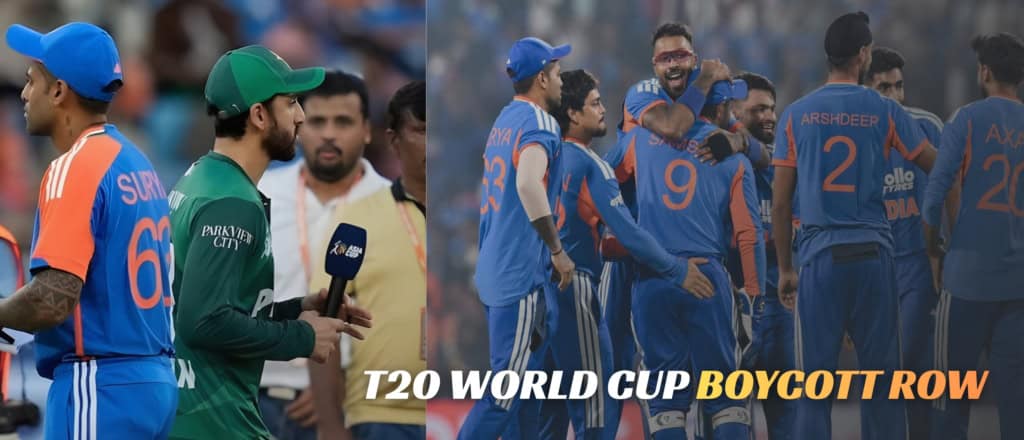
Pakistan India match boycott has put the ICC Men’s T20 World Cup 2026 under intense scrutiny after the International Cricket Council issued a strong warning to the Pakistan Cricket Board over the decision to skip the high-profile fixture against India. The ICC has cautioned that selective participation could have serious sporting, financial, and long-term consequences for Pakistan cricket.Pakistan India Match Boycott Triggers ICC Concern
The Pakistan India match boycott stems from a government directive instructing Pakistan’s national team not to play the group-stage match against India scheduled for February 15, 2026, in Colombo. While Pakistan remains set to participate in the rest of the T20 World Cup 2026, the ICC has expressed serious concern over this selective approach.
According to the ICC, such a stance is difficult to reconcile with the fundamental principles of a global sporting event, where all qualified teams are expected to compete according to the published schedule.
ICC Warning to Pakistan Cricket Board
The ICC warning was issued shortly after the Pakistan government’s announcement. The governing body stated that it expects the Pakistan Cricket Board to explore a mutually acceptable resolution that protects the interests of all stakeholders involved in the tournament.
The ICC emphasized that while it respects the role of governments in matters of national policy, the Pakistan India match boycott is not in the interest of the global game or cricket fans, including millions within Pakistan itself.
ICC Sanctions Could Follow Selective Participation
One of the clearest messages in the ICC warning is the potential for consequences if Pakistan proceeds with the boycott. The ICC highlighted that selective participation undermines sporting integrity, competitiveness, and fairness—core values that underpin ICC tournaments.
If unresolved, the Pakistan India match boycott could open the door to ICC sanctions, ranging from financial penalties to restrictions on participation in future ICC events.
Impact on T20 World Cup 2026 Group Standings
From a sporting perspective, the Pakistan India match boycott would result in Pakistan forfeiting the two points from the fixture. Under ICC playing conditions, Pakistan’s net run rate would also be negatively affected, as the full quota of overs would be counted against the defaulting team.
India, meanwhile, would remain unaffected in terms of net run rate, potentially altering the competitive balance of the group stage in the T20 World Cup 2026.
Financial Risks Linked to Pakistan India Match Boycott
The India-Pakistan fixture is widely regarded as the most commercially valuable match in world cricket. A Pakistan India match boycott would therefore have major financial implications, not just for the ICC but also for the PCB, which benefits from ICC revenue distributions.
The ICC warned that decisions impacting the global cricket ecosystem could ultimately harm Pakistan cricket itself, given its position as a member and beneficiary of ICC events.
Pakistan Cricket Board Yet to Respond Formally
Despite the government’s public stance, the ICC confirmed it has not yet received official communication from the Pakistan Cricket Board regarding the boycott. This lack of formal dialogue has added uncertainty to the situation and intensified pressure on the PCB to clarify its position.
The ICC reiterated that its priority remains the successful delivery of the T20 World Cup 2026, and that responsibility is shared by all member boards, including Pakistan.
Broader Implications for Global Cricket
The Pakistan India match boycott raises broader governance questions for international cricket. Allowing teams to selectively opt out of fixtures could set a dangerous precedent, weakening the authority of the ICC and destabilizing future tournaments.
This is why the ICC has made it clear that it will not tolerate selective participation and expects compliance with tournament regulations.
What Happens Next?
The coming days are critical as discussions are expected between the ICC and the Pakistan Cricket Board. The ICC has urged Pakistan to consider the long-term implications for cricket within the country and the global ecosystem before finalizing its stance.
Whether Pakistan reconsiders the boycott or faces the consequences outlined in the ICC warning will significantly shape the narrative of the T20 World Cup 2026.
Conclusion: Pakistan India Match Boycott at a Crossroads
The Pakistan India match boycott is more than a single scheduling dispute it is a test of governance, integrity, and accountability in international cricket. With sporting fairness, financial stability, and tournament credibility at stake, the ICC’s firm response underscores how high the stakes truly are.
As the countdown to the T20 World Cup 2026 continues, all eyes remain on Pakistan’s next move and the ICC’s response to it.

Responses