

Pakistan Boycott Row: Gavaskar’s 5-Point Take on T20 WC

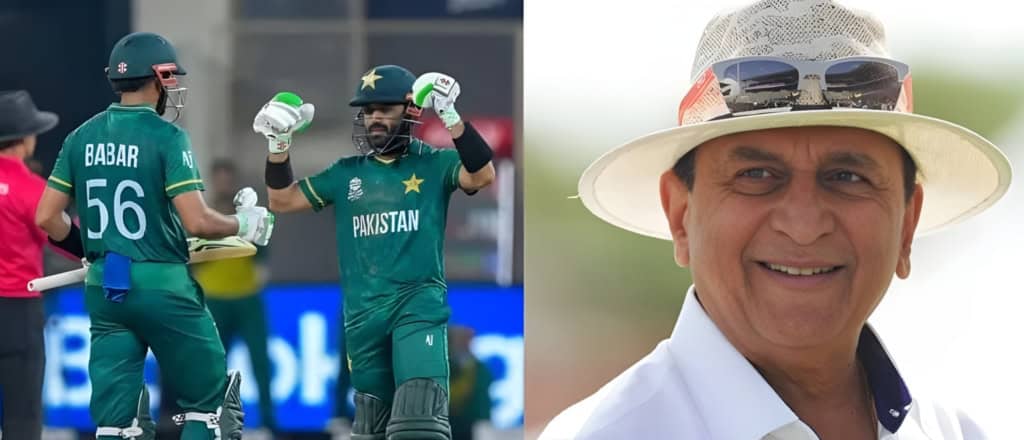
Pakistan boycott has become the central talking point of the T20 World Cup 2026 after Pakistan announced it would skip the high-profile group match against India. Legendary India batter Sunil Gavaskar has now weighed in, stating that the move “is not a surprise” and questioning the logic behind the decision. His comments add fresh momentum to the debate, as the cricket world seeks clarity on Pakistan’s motives and the potential fallout from the ICC.
Pakistan Boycott: Gavaskar Says It’s Not a Shock
Sunil Gavaskar’s reaction to the Pakistan boycott decision was direct and unsparing. Speaking in a clear tone, he said the development did not come as a surprise given Pakistan’s earlier stance in ICC discussions. Gavaskar pointed to the board meeting where only Bangladesh and the Pakistan Cricket Board voted to shift venues for the tournament, and noted that Pakistan had already hinted they might not play at all.
Gavaskar also said that Pakistan’s choice to boycott the India match was predictable once the broader political situation in the subcontinent began to change. His comments suggest that the Pakistan boycott is more about symbolism than sport, and could be part of a larger diplomatic message.
T20 World Cup 2026: What Gavaskar Thinks Pakistan Is Trying to Achieve
Gavaskar argued that Pakistan’s decision seems tied to regional politics and solidarity with Bangladesh. He noted that Pakistan voted against the ICC’s decision regarding Bangladesh’s venue change request, and suggested that the boycott is a way to show support without fully withdrawing from the tournament.
He also emphasized that Pakistan had previously stated they would not play matches in India, a stance that was accepted when the tournament venues were finalized. In his view, the decision to boycott the India match in Sri Lanka lacks a clear sporting reason, and the absence of an official explanation makes the move appear more political than procedural.
Pakistan Boycott Lacks a Clear Explanation
One of the most important points in Gavaskar’s assessment is that Pakistan has not provided a concrete reason for the boycott. There has been no official statement from the Pakistan government or the PCB explaining why they would refuse to play India in Colombo. This silence has intensified speculation and made it difficult for cricket authorities and fans to understand the motives behind the Pakistan boycott.
Without a stated cause, the decision appears vague, and Gavaskar believes that second-guessing will continue until Pakistan clarifies its position. The lack of transparency also places the ICC in a difficult position, as it must consider sanctions without full context.
India Pakistan Match: Why the Boycott Is Seen as a Major Escalation
The India Pakistan match is one of the most watched fixtures in global cricket, and the decision to boycott it threatens to undermine the tournament’s commercial value and competitive integrity. Gavaskar stressed that skipping the match would not just affect the teams involved, but also the broader tournament ecosystem, including broadcasters, sponsors, and fans.
In the current climate, the India Pakistan match has become more than just cricket—it represents a larger rivalry shaped by decades of history. Pakistan’s boycott has therefore triggered intense debate, with critics arguing that the move sets a dangerous precedent for future ICC events.
The ICC’s Dilemma: Balancing Sport and Diplomacy
The ICC has urged Pakistan to reconsider its boycott decision, warning that it could cause long-term damage to cricket within the country. Gavaskar echoed this concern, suggesting that Pakistan’s actions could isolate them from the global cricket community if sanctions are imposed.
He referenced the recent ICC board meeting where the vote was 14-2, indicating that a similar outcome could occur when sanctions are discussed. In Gavaskar’s view, the Pakistan boycott may invite serious consequences, potentially affecting their participation in future ICC events.
T20 World Cup 2026: Pakistan Arrives in Colombo Amid Controversy
Despite the boycott controversy, Pakistan’s squad landed in Colombo on Monday ahead of their opening match. The team is scheduled to play the Netherlands in the tournament opener on February 7, and the match will be watched closely as an early indicator of how the Pakistan squad handles the pressure.
The arrival of the Pakistan team in Sri Lanka underscores the complexity of the situation. While Pakistan has confirmed its participation in the tournament, its refusal to play India has created a unique situation where the team is present but not fully committed to all scheduled fixtures.
Pakistan Boycott: Impact on the Group Stage Dynamics
The Pakistan boycott has reshaped Group A dynamics, where India and Pakistan are placed alongside Namibia, the Netherlands, and the USA. If Pakistan sticks to its boycott, the India match could be declared a walkover, which would affect points distribution and the competitive balance in the group.
This has raised concerns about fairness, as other teams may face a different path to qualification depending on how the ICC chooses to handle the situation. Gavaskar’s comments highlight the uncertainty and underline the need for a clear, enforceable decision from the ICC.
Gavaskar’s View: Pakistan’s Stand Could Have Long-Term Consequences
Gavaskar’s biggest warning was that the Pakistan boycott could lead to severe repercussions. He emphasized that the ICC might take strong action if Pakistan refuses to play the India match, particularly because the decision appears to be politically motivated rather than based on a legitimate sporting concern.
His suggestion that sanctions could be imposed reflects the seriousness of the situation. The ICC has historically treated match forfeitures and boycotts as serious violations, and Pakistan’s stance could invite penalties that go beyond fines, including potential suspension or exclusion from future events.
Pakistan Boycott: A Possible Turning Point in Cricket Politics
Gavaskar believes the current situation could become a turning point in how political disputes influence cricket. He noted that while cricket has often been affected by politics, the Pakistan boycott could set a new precedent if not addressed firmly by the ICC.
For fans, this means the sport’s future may increasingly depend on diplomatic decisions rather than purely on-field performance. For cricket boards, it signals the need for clearer rules and stronger enforcement mechanisms to protect the integrity of international competitions.
Looking Ahead: What Comes Next in the T20 World Cup Boycott Saga
With the tournament already underway, the next few days will be crucial. The ICC is expected to engage with Pakistan to understand the reasons behind the boycott and to decide on possible sanctions. Meanwhile, India will continue its preparations for the tournament, focusing on performance rather than controversy.
As the Pakistan boycott debate continues, Gavaskar’s comments will likely remain a reference point for analysts and fans. His clear stance that the move is unsurprising and potentially harmful reflects a broader concern about cricket’s ability to remain insulated from political pressure.
Ultimately, the resolution of this issue will shape the narrative of the T20 World Cup 2026. Whether Pakistan reverses its decision or faces sanctions, the controversy has already left an indelible mark on the tournament’s opening weeks.
Written by 8jjsports.com News Desk | February 4, 2026
Stay updated with 8jj Sports for Live Sports Scores, News & Community


Responses