

Ali Khan Visa Denial Sparks Global Outrage: 4 Shocking Impacts on T20 World Cup 2026

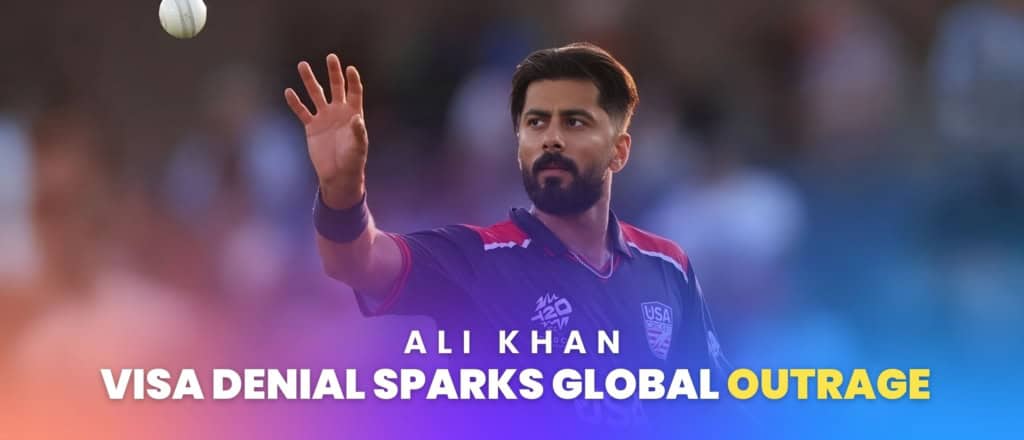
Ali Khan’s Visa Denial Throws T20 World Cup Plans Into Uncertainty
Ali Khan became the focal point of a growing international controversy after confirming that his visa application to travel to India for the upcoming T20 World Cup 2026 was denied. The development has raised serious concerns over player participation, fairness, and tournament preparedness, especially with the global event just weeks away. The unexpected visa setback has not only impacted the United States cricket team but has also reignited debate around long-standing travel regulations affecting players of Pakistani origin.
Ali Khan Confirms Visa Setback With Viral Social Media Post
The issue gained widespread attention when Ali Khan took to Instagram to share a light-hearted yet telling post acknowledging the denial of his Indian visa. The pacer confirmed the situation publicly, stating that he would be unable to travel for the T20 World Cup despite being named in the squad. His message, though brief, underscored the disappointment felt by players who had prepared extensively for the marquee tournament.
The post quickly went viral, drawing reactions from fans and fellow cricketers worldwide, many of whom questioned the timing and implications of the decision.
Pakistani-Origin Players Face Repeated Challenges
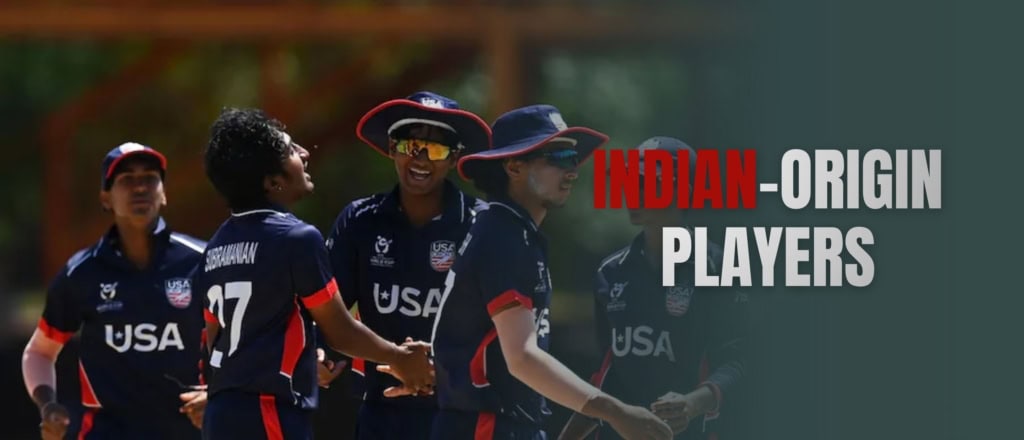
Ali Khan is not alone in this predicament. Three other Pakistani-origin players selected in the USA squad were also denied visas under the same regulations. All four players are now United States citizens, yet Indian visa rules require Pakistan-born individuals to apply using their country-of-birth documentation, complicating the process significantly.
This policy has repeatedly affected international cricketers and continues to pose challenges for teams with diverse, multicultural squads.
Impact on USA Team Composition and Strategy
The absence of Ali Khan presents a major blow to the United States team’s bowling plans. As an experienced pacer, his role was expected to be crucial against stronger international opponents. Losing a frontline bowler so close to the tournament disrupts balance, forces tactical reshuffles, and places additional pressure on remaining squad members.
Team management now faces the difficult task of reorganising combinations while maintaining competitiveness on the world stage.
Broader Tournament Implications Beyond USA
The Ali Khan visa issue extends beyond one team. Reports suggest that players of Pakistani origin from several other nations, including associate and full-member teams, could be impacted by similar restrictions. This raises concerns about consistency and fairness in global tournaments hosted in politically sensitive regions.
Administrators may now be forced to address whether such logistical barriers undermine the spirit of international competition.
Historical Context of Visa Denials in Cricket
The case of Ali Khan is part of a broader pattern seen over the years. Multiple cricketers of Pakistani origin have faced delayed or denied visas for events held in India. These incidents have previously affected World Cups and bilateral series, often leading to last-minute squad changes and diplomatic discussions.
Despite repeated occurrences, no long-term resolution has been implemented, leaving players vulnerable to uncertainty.
Player Reactions and Emotional Toll
For Ali Khan, the denial represents more than just a missed tournament. As a professional athlete nearing the later stages of his career, opportunities to compete on the world stage are limited. Being excluded due to administrative hurdles rather than performance has sparked empathy across the cricketing community.
Fans have expressed support, praising his professionalism and composure in handling the situation publicly.
Legal and Administrative Complexities Explained
The Ali Khan situation highlights the complex intersection of sports and international law. India’s visa regulations mandate additional scrutiny for Pakistan-born individuals, regardless of current nationality. While rooted in security concerns, the policy poses challenges for global sporting events involving multinational players.
Cricket boards and international governing bodies now face pressure to seek clearer frameworks ahead of major tournaments.
Calls for ICC Intervention Grow Louder
Following the Ali Khan development, calls for intervention from cricket’s global governing authorities have intensified. Stakeholders argue that ensuring player availability is essential for maintaining competitive integrity. Without proactive measures, similar controversies could resurface in future tournaments hosted across different regions.
The situation has sparked discussions on whether neutral venues or streamlined visa processes should be considered for multinational events.
What Lies Ahead for Ali Khan and Team USA
For Ali Khan, the immediate future remains uncertain. While replacement options may be explored, his absence leaves a noticeable gap in experience and leadership. The USA team will need to adapt quickly to maintain momentum heading into the T20 World Cup.
As the cricketing world watches closely, this episode may serve as a catalyst for broader reforms aimed at preventing administrative issues from overshadowing sporting excellence.




🤟