

Amazing ICC T20 Controversy: Bangladesh Board Struggles to Overturn India Decision


ICC T20 Controversy Shakes Bangladesh Cricket Board
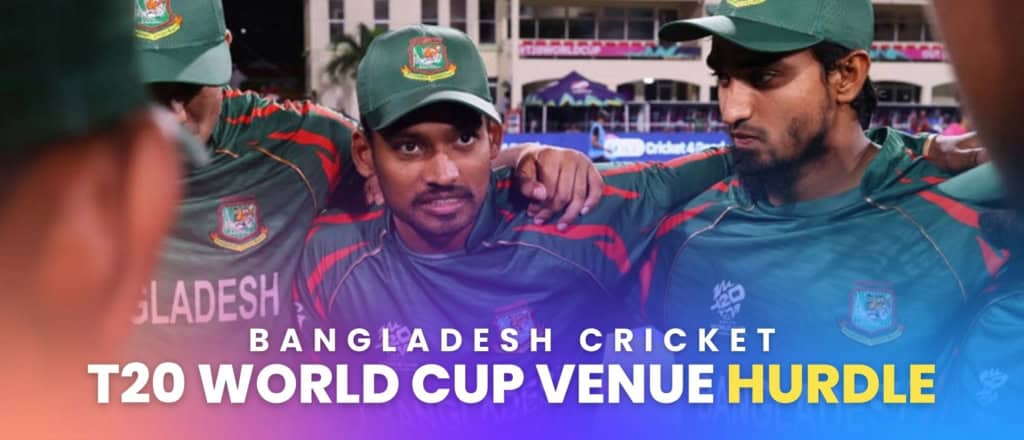
The Bangladesh Cricket Board (BCB) has found itself in the middle of an unprecedented ICC-T20 controversy as it attempts to overturn the International Cricket Council’s decision to hold the national men’s T20 World Cup matches in India. The primary concern for the board revolves around safety and government directives, but the ICC-T20 decision remains firm despite Bangladesh’s appeals.
Bangladesh Approaches ICC Dispute Resolution Committee
Bangladesh, led by Aminul Islam Bulbul, approached the ICC’s Dispute Resolution Committee (DRC) as a last resort, aiming to challenge the T20 World Cup venue decision. However, sources indicate that the ICC T20 appeal is unlikely to be entertained because the DRC does not have the mandate to overturn decisions made by the ICC Board of Directors.
The DRC, chaired by English barrister Michael Beloff, primarily reviews whether ICC procedural rules were followed rather than acting as an appeals body. Even with support from independent lawyers and committee members, the ICC-T20 appeal process for Bangladesh faces significant limitations.
Government Concerns Fuel ICC-T20 Controversy
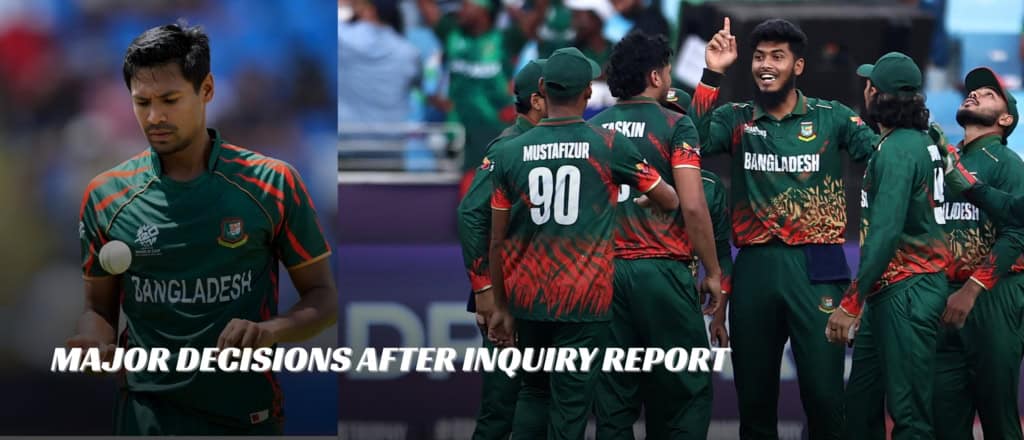
Bangladesh’s interim government and sports ministry advisor Asif Nazrul, known for anti-India sentiments, asserted that the national team would not travel to India due to perceived security threats. This ICC T20 stance followed the removal of pacer Mustafizur Rahman from the Kolkata Knight Riders squad, escalating tensions further.
Despite these claims, the ICC’s independent security assessment rated threats as “low to moderate,” and the Board of Directors voted 14-2 to keep Bangladesh’s matches in India. ICC chairman Jay Shah confirmed that any replacement decisions regarding Bangladesh would be finalized soon.
ICC-T20 Rules Limit Committee Powers
According to clause 1.3 of the DRC Terms of Reference, the committee “shall not operate as an appeal body against decisions of the ICC or any decision-making body established under the ICC’s Memorandum and Articles of Association.” This ICC T20 clause underscores that Bangladesh can submit a request, but the case is unlikely to be heard.
Historically, the DRC has maintained strict adherence to procedural rules. For instance, in 2018, the committee rejected Pakistan Cricket Board’s USD 70 million claim against India, labeling a “Memorandum of Understanding” as a non-binding “letter of intent.” This precedent highlights the ICC-T20 committee’s limited scope.
ICC-T20 Member Reactions to Bangladesh’s Appeal
An ICC source revealed that board members were frustrated with Bulbul’s public press conference before consulting the ICC, criticizing the move as premature and unprofessional. ICC officials consider Nazrul persona non grata, yet hold BCB leadership responsible for bypassing communication protocols.
Key Members of the ICC Dispute Resolution Committee
The ICC-T20 DRC includes Michael Beloff, Mike Heron, Justice Winston Anderson, Deon van Zyl, Gary Roberts, Guo Cai, Anabelle Bennett, Jean Paulsson, Peter Nicholson, Vijay Malhotra, and Sally Clark. This team comprises independent legal experts and ICC ethics and management officers tasked with ensuring compliance with ICC regulations rather than overturning venue decisions.
ICC T20 Implications for Bangladesh
If the DRC rules against Bangladesh, the board’s next legal avenue would be the Court of Arbitration for Sport (CAS) in Switzerland. However, given the limited scope of procedural review by the ICC T20 committee, experts suggest that Bangladesh’s chances of changing the venue are minimal.
The situation also affects player participation, with the government’s decision potentially preventing key athletes from traveling. The ICC T20 tournament’s integrity depends on adherence to safety protocols, independent security assessments, and consistent governance, leaving little room for political influence.
ICC T20 Controversy Highlights Global Cricket Governance Challenges
This ICC T20 controversy reflects broader challenges in global cricket governance, where political pressures, player safety, and organizational rules intersect. The Bangladesh Cricket Board’s struggle emphasizes the complex interplay between national governments and international sporting bodies.
ICC T20 committee’s role is primarily regulatory, focusing on compliance and procedural adherence rather than adjudicating disputes about venue choices or player eligibility. The Bangladesh scenario demonstrates the limits of influence boards have when national decisions clash with ICC protocols.
Conclusion: Bangladesh Faces Uphill Battle in ICC T20 Case
The Bangladesh Cricket Board’s appeal against the ICC T20 venue decision represents a dramatic attempt to assert authority over cricket governance. Despite the urgency and concerns cited, the ICC’s framework leaves little room for overturning decisions once board approvals and security assessments are complete.
The ICC-T20 case illustrates the importance of following procedural norms and engaging with international sports bodies through proper channels. With CAS as the final recourse, Bangladesh’s cricketing future in this T20 World Cup remains uncertain, reinforcing the complexities of international cricket administration.
Bangladesh’s attempt to challenge the ICC-T20 ruling shows the balancing act between national interests, player safety, and global cricket regulations. The outcome will set a precedent for future governance conflicts, emphasizing the limited authority of national boards over ICC decisions.


Ohh