

6 Key Reactions as Bangladesh Thanks Pakistan Over T20 World Cup Row

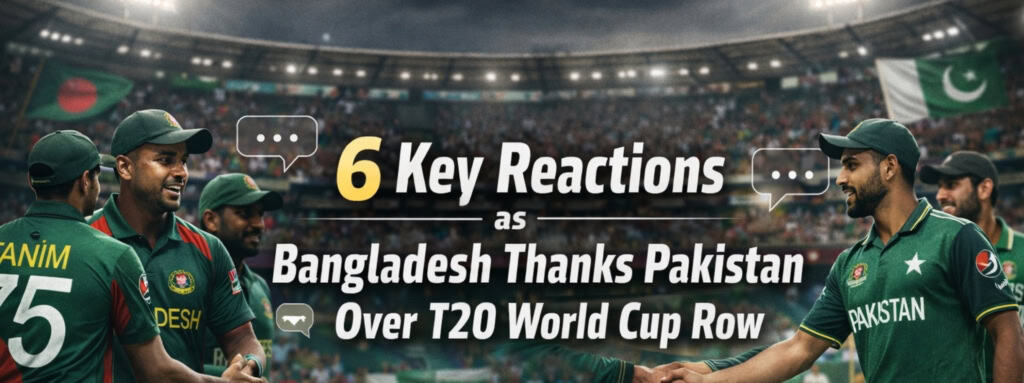
Bangladesh reaction has drawn widespread attention after senior government officials publicly thanked Pakistan for boycotting the India match at the T20 World Cup 2026 in solidarity with Bangladesh’s removal from the tournament. The reaction highlights how the ongoing World Cup controversy has expanded beyond cricket boards into diplomatic and political territory.
Bangladesh Reaction to Pakistan’s T20 World Cup Stand
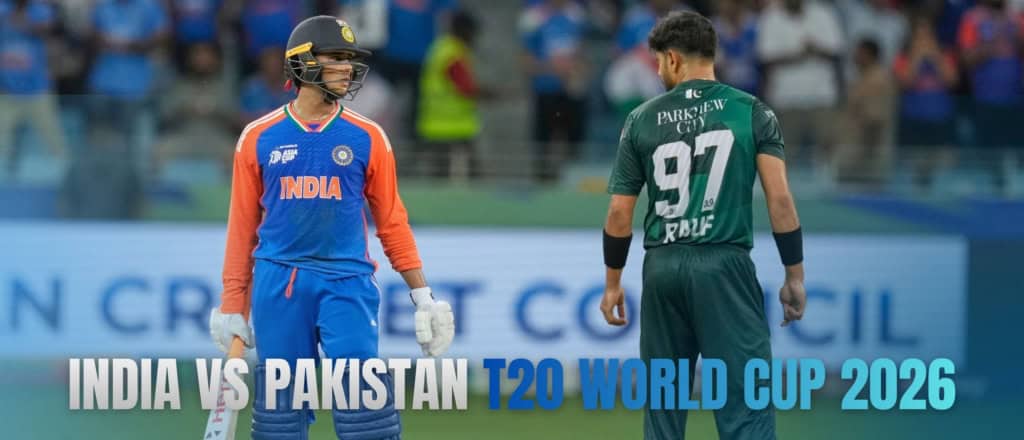
The reaction became evident after Youth and Sports Advisor Asif Nazrul expressed gratitude to Pakistan Prime Minister Shehbaz Sharif. His comments followed Sharif’s statement that Pakistan’s decision to boycott the India match was taken as a protest against being excluded from the T20 World Cup.
This Bangladesh reaction underscored a sense of shared grievance, as officials framed the boycott as a stand against political interference in sport.
Public Message of Thanks
In a social media post, Asif Nazrul openly thanked Pakistan, quoting Sharif’s remarks to emphasize solidarity. The reaction reflected appreciation for what was described as moral support during a difficult moment for the country’s cricket community.
Context Behind Bangladesh’s Removal
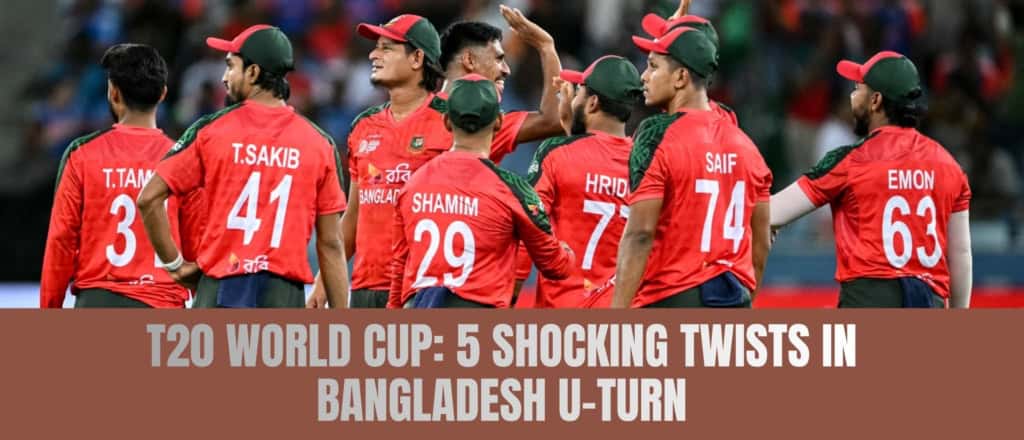
Bangladesh were removed from the T20 World Cup after their government declined to allow the team to travel to India for group-stage matches, citing security concerns. The Cricket Board had requested that matches be shifted to Sri Lanka, but the ICC rejected the proposal.
This decision triggered the reaction now unfolding, with officials and fans expressing disappointment at missing out on the global event despite qualifying on sporting merit.
ICC’s Firm Stance Shapes Reaction
The ICC’s refusal to alter the schedule played a major role in shaping the reaction. Many within Bangladesh view the decision as inflexible, arguing it failed to account for legitimate concerns.
Pakistan Frames Boycott as Solidarity
Pakistan’s leadership described the boycott of the India match as an act of support for Bangladesh, reinforcing diplomatic ties between the two nations. This framing was central to the reaction, which interpreted the move as standing up for fairness in international sport.
Sharif stated that cricket should remain free of politics, a message that resonated strongly with Bangladesh officials.
Symbolism Over Sporting Impact
While the boycott carries significant sporting consequences, the reaction focused more on symbolism and principle than immediate competitive outcomes.
ICC Responds to Selective Participation
In response to the developments, the ICC issued a statement urging Pakistan to seek a mutually acceptable resolution. The governing body warned that selective participation undermines the core principles of global tournaments.
This response added another layer to the reaction, as officials monitored how the ICC would balance enforcement with diplomacy.
ICC Warns of Long-Term Consequences
The ICC emphasized that decisions taken now could affect the global cricket ecosystem, a message closely watched by Bangladesh amid concerns about future participation.
Replacement and Fallout
Following Bangladesh’s removal, Scotland were brought in as a replacement team. While this ensured the tournament proceeded, it deepened disappointment within Bangladesh, where fans felt deprived of a deserved World Cup appearance.
The reaction has therefore combined gratitude toward Pakistan with frustration toward tournament administrators.
Political Dimensions of the T20 World Cup
The reaction reflects how the T20 World Cup has become entangled in geopolitical considerations. What began as a scheduling and security issue has evolved into a broader debate about fairness, sovereignty, and the role of politics in sport.
Cricket Caught Between Governments
For Bangladesh, the episode highlights the challenges smaller cricketing nations face when political realities intersect with rigid tournament structures.
Impact on Bangladesh Cricket Community
Players, administrators, and fans in Bangladesh have expressed disappointment at missing the World Cup, viewing the absence as a setback for the sport’s momentum in the country. The reaction includes calls for clearer safeguards to prevent similar situations in the future.
Why the Reaction Matters
The reaction matters because it signals growing dissatisfaction among member nations regarding governance flexibility. How the ICC responds could influence trust and participation in future tournaments.
Final Outlook on Bangladesh Reaction
The reaction to Pakistan’s boycott underscores the widening implications of the T20 World Cup controversy. Gratitude, frustration, and concern now coexist as Bangladesh watches developments from the sidelines.
As the tournament approaches, the episode serves as a reminder that decisions made off the field can have lasting emotional and political consequences for the global cricket community.


Responses