

Penalising Cricket Umpires Two Wrong Decisions Every 80 Overs?

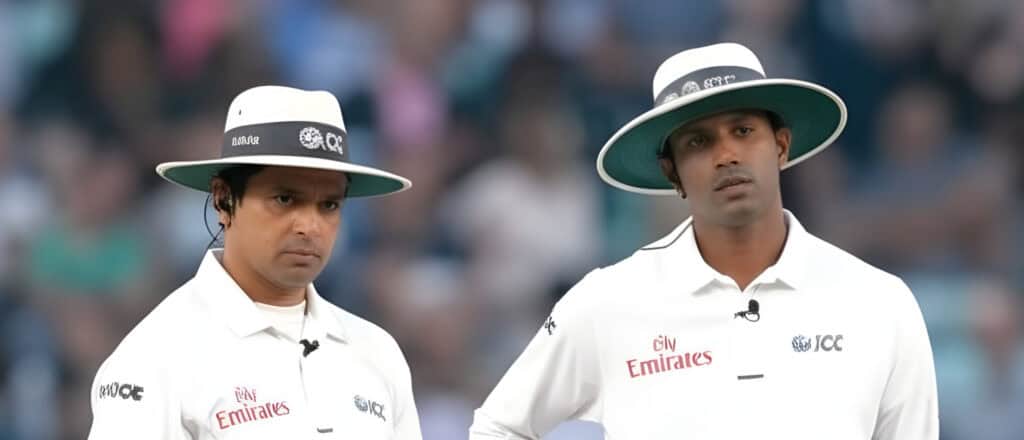
Cricket umpires may soon face stricter accountability measures if proposals to penalize officials for repeated errors are implemented. The idea, gaining traction among players and commentators, suggests that umpires who make two incorrect decisions every 80 overs could face formal warnings, fines, or temporary suspension from officiating international matches.
The Case for Cricket Umpire Accountability
Cricket is a game of fine margins, and umpiring errors can significantly affect match outcomes. Advocates of the proposal argue that consistent mistakes undermine the integrity of the sport. By introducing penalties for repeated wrong decisions, governing bodies aim to encourage precision, accountability, and professional standards among officials.
Former players and analysts note that even with technology like DRS (Decision Review System), human error remains a factor. Penalizing umpires could act as an incentive to improve concentration, positioning, and decision-making under pressure.
How the System Could Work
The proposed framework would track umpire performance across matches, flagging instances where two incorrect decisions occur within an 80-over span. Consequences could range from written warnings to exclusion from upcoming fixtures, depending on the severity and frequency of errors.
Such a system would be supported by match referees and third-umpire reviews, ensuring that accountability measures are applied fairly. Analysts suggest that this approach would mirror performance review systems used in other professional sports, where officials are regularly assessed and graded.
Potential Challenges and Criticism
Critics warn that penalizing umpires could add unnecessary pressure, potentially leading to more mistakes rather than fewer. Umpires already operate in high-stress environments, and subjective elements of judgment calls—such as LBW or fine edges—cannot always be perfectly assessed, even with DRS support.
Moreover, determining “wrong decisions” may be contentious. Decisions overturned after player reviews may not fully reflect umpire competency, and some argue that technology should complement, not punish, human officiating.
Global Cricket Governance Perspective
The International Cricket Council (ICC) has historically focused on improving umpire training and using technology to minimize errors rather than penalize officials. However, discussions are underway to explore new accountability measures as part of broader initiatives to maintain fairness in the game.
Introducing performance-based consequences could also help groom elite umpires for high-pressure matches like World Cups and T20 leagues, ensuring that only those consistently meeting standards officiate marquee events.
Looking Ahead
Whether or not umpires are formally penalized for repeated errors, the debate highlights the increasing scrutiny of officials in modern cricket. Fans, players, and governing bodies all seek a balance between human judgment and technological support to maintain the credibility and excitement of the sport.
As cricket evolves, proposals like penalizing umpires may reshape how the game is officiated, encouraging professionalism and careful decision-making while keeping player trust intact.





Responses