

Daren Sammy Returns: 8 Big Questions as West Indies Chase T20 Glory

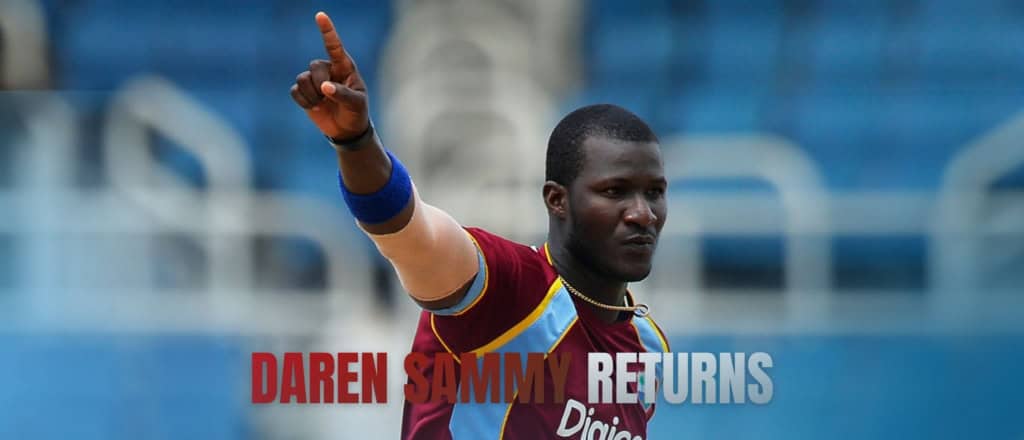
Daren Sammy is back in Kolkata, a city etched into West Indies cricket folklore, as head coach for the ICC T20 World Cup 2026. Ten years after lifting the trophy at Eden Gardens, Sammy now leads a very different West Indies side one searching for relevance, rhythm, and redemption in a rapidly evolving T20 landscape.Daren Sammy and the Weight of Kolkata Memories
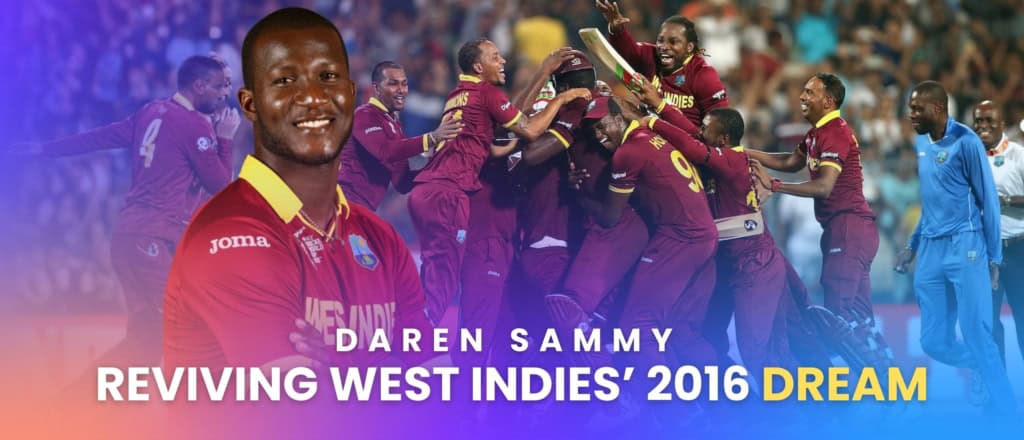
Daren Sammy’s connection with Kolkata runs deep. It was here in 2016 that West Indies defied expectations, defeating England in a dramatic final to clinch their second T20 World Cup title. Returning a decade later, Sammy admits the city still energizes him, calling Eden Gardens a place that lifts his spirit whenever motivation dips.
This time, however, Sammy arrives not as captain but as head coach, carrying the responsibility of guiding a team many believe has fallen behind the modern game. The nostalgia is powerful, but the challenge ahead is far more complex.
West Indies Begin T20 World Cup 2026 Campaign
West Indies open their ICC T20 World Cup 2026 campaign in Kolkata against Scotland, with three matches scheduled at the venue, including a potential Super Eight clash against India. While expectations are modest externally, Sammy sees echoes of 2016 in the squad’s blend of youth, experience, and quiet determination.
He acknowledges that few are backing West Indies this time, but insists that underdog status has fueled their greatest achievements before.
Changing Role of Daren Sammy in West Indies Cricket
In 2016, Daren Sammy famously spoke about how criticism from media and administrative turmoil galvanized the team. That dynamic has since evolved. The West Indies board now recognizes the leverage players hold, especially in the era of lucrative franchise leagues.
As head coach, Sammy has become the bridge between players and administrators, prioritizing the long-term health of Caribbean cricket over individual disputes. His authority now stems from stewardship rather than charisma alone.
Talent Rich, Consistency Poor
Despite possessing some of the most sought-after T20 players globally, West Indies have struggled collectively. Since Sammy’s retirement, the team has had ten different captains, five of them full-time, and just one semi-final appearance in major tournaments.
Selection continuity has been rare, often dictated by player availability rather than form. The maroon jersey now competes with franchise commitments, where financial rewards far exceed national contracts.
- Impact of Franchise Cricket
- Reduced availability for national duty
- Frequent leadership changes
- Limited long-term team planning
These factors have contributed to West Indies’ uneven performances on the international stage.
Why West Indies’ Batting Fell Behind
While bowling has remained competitive, West Indies’ batting has not evolved at the same pace as top teams. Between 2012 and 2016, their strategy relied on absorbing dot balls and compensating with frequent boundaries and sixes.
In the modern T20 era, this approach is no longer viable. Power-hitting has become universal, and efficiency between boundaries now separates elite teams from the rest. West Indies currently rank among the worst for dot-ball percentage, a critical disadvantage.
Shai Hope Leads Batting Reset
Captain Shai Hope has openly acknowledged the team’s struggles with dot balls, calling it their “Achilles heel.” His own batting transformation symbolizes the direction West Indies are attempting to take—maintaining power while rotating strike more effectively.
Hope plans to float in the batting order during the ICC T20 World Cup 2026, providing stability while allowing hitters to play with freedom. This tactical shift reflects a broader acceptance that adaptation is essential for survival.
Balanced Batting Line-Up Takes Shape
The current squad reflects this philosophical change. Alongside explosive hitters like Rovman Powell, Sherfane Rutherford, Romario Shepherd, and Johnson Charles, the team includes stabilizers such as Brandon King, Roston Chase, and Hope himself.
The emphasis is no longer on relentless aggression but on controlling phases of the innings—an approach aligned with Sammy’s vision as coach.
Bowling Attack Remains West Indies’ Strength
West Indies’ bowling offers genuine optimism. Young pacers like Shamar Joseph and Jayden Seales bring pace and hostility, while spinners Akeal Hosein and Gudakesh Motie add control. Matthew Forde’s emergence and Jason Holder’s exceptional recent form further strengthen the attack.
Holder, notably part of the 2016 squad, is coming off the best bowling year of his career, giving West Indies a proven match-winner in crucial moments.
Daren Sammy’s Realistic Optimism
Despite the challenges, Daren Sammy remains confident. He believes West Indies have the talent to win the ICC T20 World Cup 2026 but stresses that success will depend on cohesion rather than individual brilliance.
Daren Sammy’s task is to align skill, strategy, and mindset—elements he can guide but no longer directly influence on the field.
West Indies Return Not to Relive, But to Redefine
West Indies return to Kolkata not to recreate their past but to test their present. The memories of 2016 inspire, but the realities of 2026 demand evolution.
With Daren Sammy once again at the center this time as mentor the tournament will reveal whether West Indies can transform promise into performance and reclaim a place among T20 cricket’s elite.


Responses