

Gautam Gambhir Criticized After India’s T20I Defeat

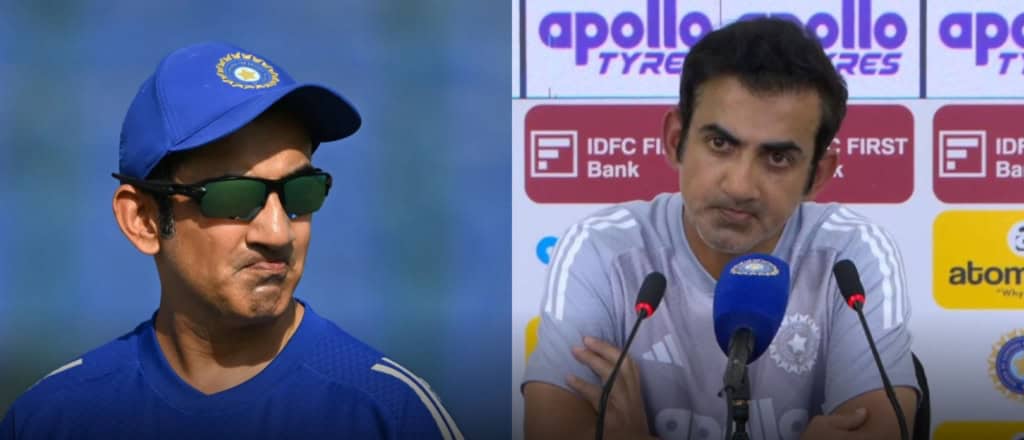
Gautam Gambhir faced heavy criticism after India’s loss to South Africa in the 2nd T20I, as experts called his batting order shuffle a “major mistake.” The defeat highlighted issues in India’s batting and strategic approach, leaving former players and analysts questioning Gambhir’s decisions. Many felt that the changes disrupted the team’s rhythm and failed to utilize key players effectively, putting additional pressure on the middle order.
Critics also pointed out that Gambhir’s aggressive strategies did not pay off, particularly in high-pressure situations. The match exposed vulnerabilities in India’s lineup, with several promising starts going to waste. Analysts emphasized the need for a more consistent and flexible approach to adapt to different match scenarios in future games.
India’s 2nd T20I Defeat Against South Africa
India suffered a 51-run defeat against South Africa in the second T20I of the series at Mullanpur. The batting lineup failed to provide stability, losing wickets at crucial junctures and failing to build meaningful partnerships. Several key players fell cheaply, which put additional pressure on the middle and lower order, ultimately preventing India from mounting a competitive total.
The bowling unit also struggled to contain the opposition, with pacers leaking runs in the middle overs and spinners unable to break partnerships. While individual players underperformed, much of the spotlight fell on head coach Gautam Gambhir’s tactical choices, particularly regarding bowling changes and batting order decisions. Analysts and fans have questioned whether different strategies could have altered the outcome of the match.
Gambhir’s Batting Shuffle Sparks Controversy
During the match, Gambhir changed India captain Suryakumar Yadav’s position in the batting order, confusing fans and experts alike. Former India batter Robin Uthappa criticized this move, stating that flexibility should not come at the cost of stability. Suryakumar batted after Axar Patel, scoring just 5 runs off 4 balls before being dismissed, leaving India’s chase in disarray.
Robin Uthappa’s Analysis of Gambhir’s Decision
Uthappa, who played alongside Gambhir in the Indian team and Kolkata Knight Riders, recalled Gambhir’s pre-series statement about a flexible batting lineup. Uthappa disagreed with the approach:
- “When chasing a big score, your top batters should walk in.”
- “Sending a pinch-hitter must be strategic; otherwise, it destabilizes the team.”
- “After losing a key batter early, stability is essential at the crease.”
Uthappa emphasized that India must fix the top-order batting roles to avoid recurring mistakes in crucial matches.
H4: Dale Steyn Joins the Criticism
South African legend Dale Steyn echoed Uthappa’s concerns, calling Gambhir’s decision “a major mistake.” Steyn highlighted the lack of clarity in player roles:
- Axar Patel was sent to bat without a defined plan.
- The top-order combination lacked balance, with two left-handers at the crease after an early wicket.
- Experimentation at the top order in a critical match against South Africa was risky.
- Steyn stressed that simplicity and using the team’s best batters upfront would have increased India’s chances of winning.
The Need for a Fixed Top-Three
Both Uthappa and Steyn suggested that India establish a fixed top-three batting order. Flexibility should be reserved for later overs once a foundation is built. Key points include:
- Top three batters must have specialist roles, regardless of setting a target or chasing.
- Pinch-hitting should be situational, not experimental.
- Consistent experimentation in top-order roles could harm India during major tournaments like the World Cup.
Lessons for India Ahead of Future Matches
The 2nd T20I loss is a wake-up call for India. Stabilizing the batting lineup, defining player roles clearly, and limiting experimental changes are critical for upcoming matches. The team must ensure that top-order stability is prioritized while still allowing strategic flexibility in the middle and lower order.
Conclusion
Gautam Gambhir’s decisions have come under scrutiny after India’s defeat, with experts emphasizing the importance of a structured batting approach. As India prepares for future T20Is and major tournaments, clarity in batting roles and minimizing top-order experiments will be essential for consistent performances and stronger results.




Responses