

Bangladesh Cricket Board Faces ICC DRC Hurdle Over T20 World Cup Venue

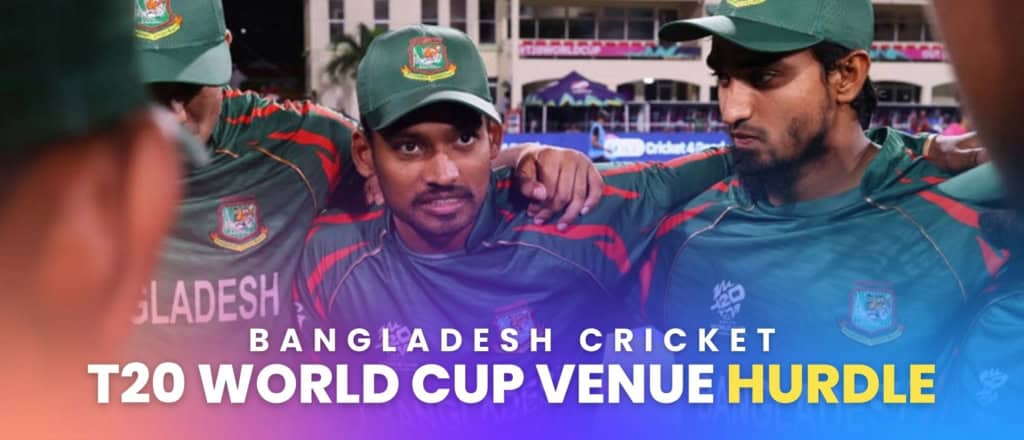
Bangladesh Cricket Board Appeals T20 World Cup Venue Decision
The Bangladesh Cricket Board (BCB) has approached the ICC DRC to overturn the decision to host the national men’s T20 World Cup matches in India. However, experts suggest the appeal is unlikely to succeed, as the DRC does not have the authority to hear cases challenging Board of Directors’ decisions.
ICC DRC- Limited Jurisdiction
Under ICC regulations, the Dispute Resolution Committee operates primarily to ensure compliance with ICC rules but does not serve as an appeals body against decisions made by the ICC Board of Directors. Clause 1.3 of the DRC Terms of Reference explicitly states that the committee cannot overturn any decision made under the ICC Constitution or Articles of Association.
A BCB source indicated that if the DRC rules against Bangladesh, the only remaining option would be to approach the Court of Arbitration for Sport (CAS) in Switzerland. This move demonstrates BCB’s attempt to exhaust all available options before committing to playing in India.
Political and Security Concerns
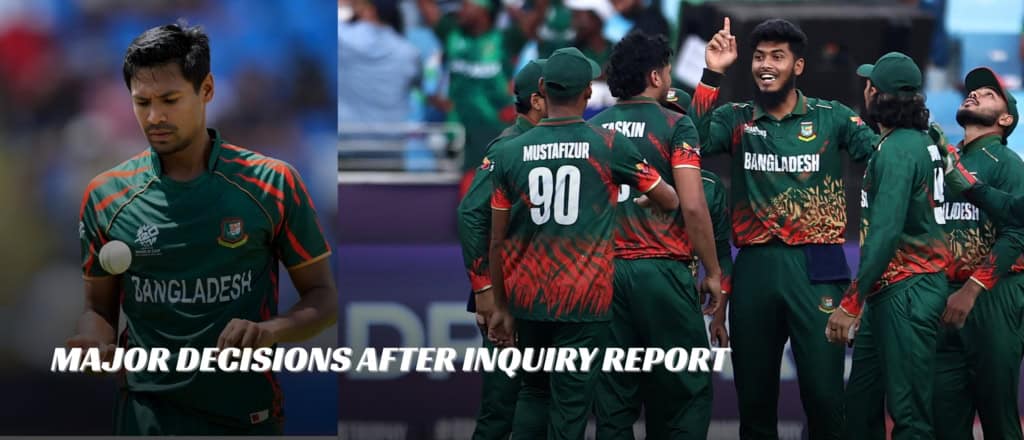
Bangladesh’s interim government and its sports ministry advisor, Asif Nazrul, had earlier expressed that the team would not travel to India due to security concerns. The controversy intensified after senior pacer Mustafizur Rahman was removed from the Kolkata Knight Riders squad, reportedly under BCCI directives.
Despite the ICC Board voting 14-2 in favor of retaining Bangladesh’s matches in India after an independent security assessment deemed threats “low to moderate,” tensions between cricket governance and political authorities have complicated the situation. BCB’s appeal reflects these underlying political pressures, though the ICC maintains its stance.
Previous DRC Decisions – ICC DRC
The ICC DRC, led by English barrister Michael Beloff, has a track record of rejecting claims that fall outside its jurisdiction. In 2018, it summarily dismissed the Pakistan Cricket Board’s $70 million claim against the BCCI over bilateral series agreements. The DRC ruled that the alleged Memorandum of Understanding was non-binding, emphasizing its role in reviewing compliance rather than acting as an appeal body.
Other members of the 11-person committee include independent legal experts such as Mike Heron, Justice Winston Anderson, Deon van Zyl, Gary Roberts, Guo Cai, Anabelle Bennett, and Jean Paulsson, along with ethics and management representatives Vijay Malhotra and Sally Clark.
ICC Board and BCB Relations
The ICC expressed frustration over BCB president Aminul Islam Bulbul holding a press conference before informing the global body. Bulbul’s public statements, combined with Asif Nazrul’s political commentary, reportedly angered ICC Board members, further straining relations. ICC officials emphasized the need for procedural adherence and timely communication before making public announcements.
Possible Next Steps – ICC DRC
If the DRC upholds the ICC Board’s decision, BCB may escalate the matter to the CAS in Switzerland. Meanwhile, ICC chairman Jay Shah, currently in Dubai, is expected to finalize decisions regarding Bangladesh’s replacement in the tournament if the appeal fails. Scotland remains on standby as a potential replacement.
The situation highlights the intersection of sports governance, political influence, and player safety. While the BCB seeks to assert its authority, the ICC maintains procedural and jurisdictional boundaries to ensure fair and consistent tournament management.
Implications for the T20 World Cup
The controversy underscores the challenges faced when national boards conflict with ICC decisions. Delays or uncertainties over venue confirmation can impact team preparations, logistics, and fan engagement ahead of major ICC T20 World Cup matches. Players must maintain focus despite external pressures, while organizers ensure adherence to international safety standards.
BCB’s appeal also illustrates the limitations of ICC committees in resolving disputes involving political or national security considerations. While the DRC can review compliance with ICC laws, it cannot countermand decisions of the Board of Directors, which holds ultimate authority on tournament arrangements and match venues.
Conclusion: ICC DRC
The Bangladesh Cricket Board’s approach to the ICC Dispute Resolution Committee demonstrates a last-resort effort to challenge the T20 World Cup venue decision. However, ICC rules and previous DRC verdicts suggest the appeal has limited chance of success. The Board of Directors retains primary authority, and any further escalation would need to involve international legal arbitration through CAS.
The episode highlights the need for clear communication and procedural compliance among cricket boards. As the ICC T20 World Cup approaches, stakeholders must balance political sensitivities, player security, and international tournament standards to ensure a smooth and successful competition.


Ohh