

ICC Rates Perth Ashes Pitch “Very Good” Despite 2-Day Test Thriller

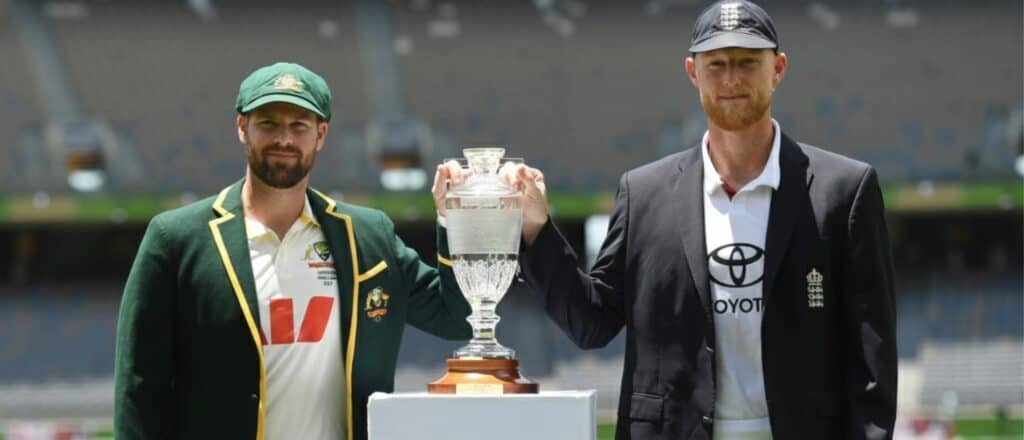
The International Cricket Council (ICC) has rated the Perth Stadium pitch used in the first Ashes Test as “very good”, even though the match concluded in just two days. Australia defeated England by eight wickets in a thrilling Test that saw 19 wickets fall on day one alone, creating a record-breaking yet highly entertaining contest for cricket fans around the world.
ICC Pitch Rating Explained
The ICC employs a four-tier pitch rating system to evaluate Test match surfaces, with “very good” being the highest rating possible. According to the governing body, a “very good” rating indicates:
- Good carry to the batters
- Limited seam movement
- Consistent bounce throughout the early stages of the match
This rating is meant to reflect a pitch that offers a balanced contest between batters and bowlers, allowing both disciplines to compete on fair terms. Despite the match ending prematurely, the ICC clarified that the rating reflects pitch quality rather than match duration.
Day One Drama at Perth Stadium
The first day of the Perth Ashes Test was packed with action and drama. England were bowled out for a mere 172 runs, with Australian pacer Mitchell Starc claiming a remarkable 7-58. The game was characterized by exceptional pace bowling from both sides, with multiple players making significant breakthroughs.
Australia then collapsed to 121-9 by stumps, highlighting the pitch’s capacity to assist bowlers while still providing opportunities for batters to score if they applied themselves. The frenetic nature of the first day meant that by the end of play, spectators had witnessed a record number of wickets falling, making the day both thrilling and unpredictable.
Travis Head Leads Australia to Victory
Day two saw England posted 164 in their second innings, setting a target that Australia chased successfully. The highlight was Travis Head, who scored an incredible 123 off just 83 balls, steering Australia to a comfortable eight-wicket win. Head’s innings was a masterclass in aggressive batting, taking advantage of the limited scoring opportunities and the bounce offered by the Perth pitch.
Cricket Australia Responds to Pitch Rating
James Allsopp, Cricket Australia’s head of cricket, commented on the ICC rating, stating:
“The rating justifies our belief Perth Stadium produced a pitch that provided a fair balance between bat and ball. The dominance of some brilliant pace bowling from both sides and the frenetic nature of the contest meant the match lasted only two days.”
Allsopp also acknowledged the disappointment for fans who had tickets for days three and four, but emphasized the excitement generated by the match and the positive impact on the broader cricket audience:
“We saw some incredible moments which captivated huge viewing audiences and will inspire even more kids to pick up a bat and ball this summer.”
Impact on Fans and Broadcasting
While the match duration was shorter than expected, the Perth Test provided incredible entertainment for viewers worldwide. The rapid sequence of wickets, the dramatic innings by Travis Head, and the relentless pace bowling kept fans on the edge of their seats. Broadcasters reported high ratings, reflecting the growing global interest in the Ashes series, particularly in markets such as the UK, Australia, and India.
Fans in the stadium, however, expressed disappointment as they had planned to watch cricket across multiple days. Cricket Australia has since emphasized that ticket holders would receive support and compensation in line with the situation.
Strategic Implications for the Series
The result gives Australia a 1-0 lead in the five-match series, setting the tone for the Ashes battle. England will look to bounce back in the day-night second Test scheduled to begin in Brisbane on December 4. Historically, the Gabba pitch at Brisbane is known for its pace and bounce, promising another high-intensity contest between the two sides.
Both teams will have to adjust their strategies, considering the lessons from Perth:
England needs to strengthen its top-order batting to withstand aggressive Australian pace attacks
Australia will aim to maintain momentum while ensuring they do not underestimate England’s resilience
Player Performances Under the Spotlight
The Perth Test highlighted individual brilliance and resilience under pressure. Key performances included:
Mitchell Starc (Australia): 7 wickets in England’s first innings, displaying pace, accuracy, and swing
Travis Head (Australia): 123 off 83 balls, a match-winning knock showcasing adaptability under challenging conditions
English Bowlers: Contributed to Australia’s collapse in the first innings, proving that the pitch offered assistance to seamers
Such performances emphasize that while the match was short, player skills were tested in extreme conditions, adding value to the ICC’s “very good” pitch rating.
Perth Stadium’s Reputation for Fast Pitches
Perth Stadium has long been associated with fast, bouncy tracks. The ICC rating confirms that the pitch quality remains consistent with past expectations, providing assistance to fast bowlers while allowing batters to score runs if they display patience and technique.
Australia has previously produced thrilling matches at Perth, and this Test reinforces its status as a venue that encourages positive cricket while testing player adaptability and skill.
Looking Ahead to the Brisbane Test
The second Ashes Test in Brisbane promises another gripping encounter. Teams will study Perth’s match footage to adapt their bowling and batting strategies. Fast bowlers will aim to exploit any early movement, while batters will need to build innings methodically to counter aggressive pace attacks.
Australia and England’s coaching teams will also monitor player workloads and recovery, given the high-intensity nature of the Perth Test and the quick turnaround before Brisbane.
Conclusion
The ICC’s “very good” rating of the Perth Ashes Test pitch has generated discussion among fans, players, and analysts. While the game’s two-day duration was surprising, it does not reflect poorly on the pitch quality. Instead, it highlights the competitive nature of modern Test cricket, where player skill and strategy can result in rapid outcomes.
The Perth Test will be remembered for Travis Head’s explosive innings, Starc’s pace dominance, and the overall drama that unfolded. As the Ashes series continues, cricket enthusiasts can expect high-quality contests, particularly at Brisbane’s Gabba, which has its own fast, bouncy reputation.
The ICC pitch rating confirms that venues like Perth and Brisbane are capable of providing balanced contests while allowing for moments of brilliance that captivate global audiences.



Responses