

Mazraoui’s Impressive Impact Filling Hakimi’s Right-Back Position

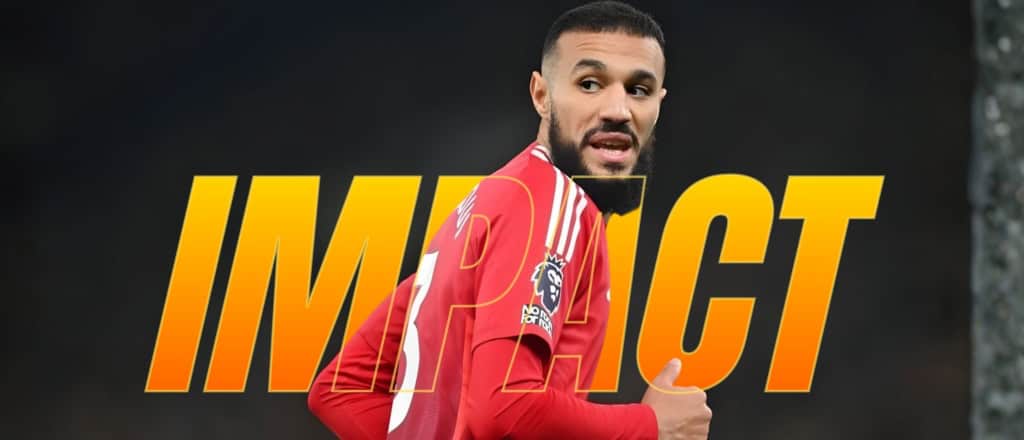
Noussair Mazraoui delivered a highly reassuring performance at right-back for Morocco, excelling in the absence of Achraf Hakimi and underlining the national team’s growing depth in defence. His display was a perfect illustration of how Morocco’s squad has evolved, with talented players capable of stepping up in crucial moments, ensuring that the team remains competitive even when key figures are unavailable.
Regragui’s Tactical Decision Pays Off
Head coach Walid Regragui’s decision to deploy Mazraoui on the right proved decisive. The Manchester United defender offered defensive stability while also contributing effectively in attack, showing composure, tactical awareness, and energy throughout the match. From the very first minutes, Mazraoui’s presence on the pitch was noticeable, as he seamlessly combined defensive discipline with attacking intent—a balance that is essential in modern football, particularly for a team aiming for success in major tournaments.
Mazraoui’s Impact on the Game
Mazraoui’s influence was most evident in the opening goal, which came from a precise cross that highlighted his technical quality and intelligent positioning. His ability to read the game, anticipate opposition movements, and choose the right moments to advance forward added a new dimension to Morocco’s play. Unlike some players who hesitate when filling in for a star teammate, Mazraoui embraced the responsibility, demonstrating that he can be trusted in high-pressure situations. His crossing accuracy, timing of overlapping runs, and decision-making in the final third all contributed to Morocco’s attacking fluidity.
Defensively, Mazraoui was equally impressive. He displayed excellent awareness of his surroundings, tracking runners diligently and making timely interventions to break up opposition attacks. His tackling was clean and efficient, and he maintained composure under pressure, which is vital in ensuring that Morocco’s defensive shape remains intact. By balancing defensive duties with offensive contributions, Mazraoui allowed Morocco to maintain both width and tempo without compromising control—a feat that reflects both his individual quality and his understanding of Regragui’s tactical system.
Managing Hakimi’s Recovery
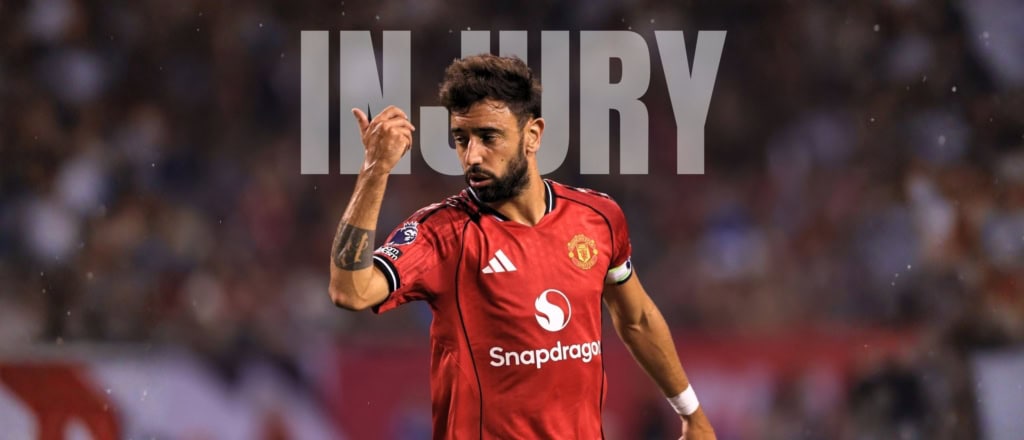
Importantly, Mazraoui’s strong showing allowed the coaching staff to manage Hakimi’s recovery carefully. Hakimi, Morocco’s first-choice right-back, has been sidelined due to injury, and the coaching team faced the delicate task of not rushing him back too soon. Mazraoui’s assured performance meant that Morocco did not have to compromise their defensive solidity, offering the team vital flexibility. This will likely prove crucial as the tournament progresses, where fixture congestion and the intensity of knockout matches demand careful squad management.
Morocco’s Growing Fullback Depth
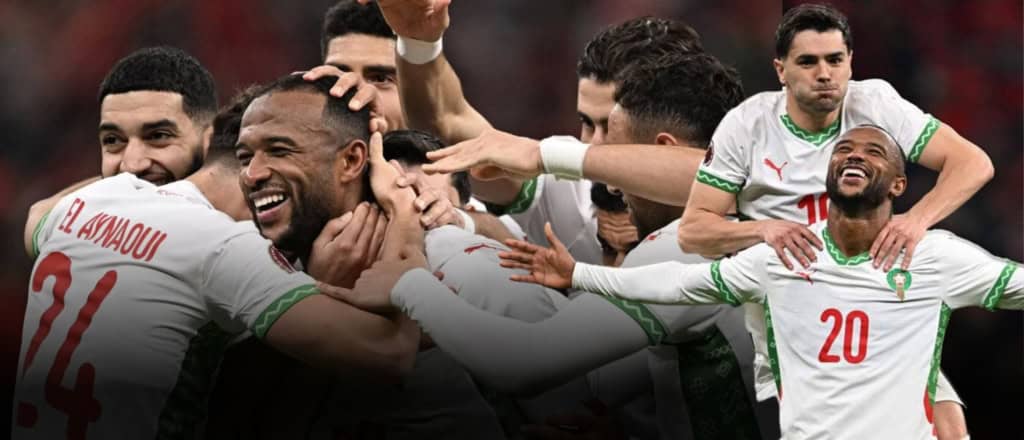
The performance also highlights Morocco’s growing depth at fullback. Having reliable options on both flanks allows Regragui to experiment tactically and rotate players without fear of weakening the team. This depth is particularly valuable in international competitions, where injuries, suspensions, and fatigue can quickly affect squad dynamics. Mazraoui’s display is a reminder that Morocco is not solely reliant on individual stars; the team has capable players ready to step up when needed, ensuring continuity in performance levels.
Moreover, Mazraoui’s emergence in this role sparks an interesting discussion about competition within the squad. While Hakimi is widely regarded as one of the world’s top right-backs, Mazraoui’s performance demonstrates that Morocco now has multiple high-quality options. This intra-squad competition can be beneficial, as it pushes players to maintain high standards, knowing that their position is not guaranteed. Coaches often thrive when they have multiple reliable options, as it allows them to adapt strategies based on opponents’ strengths, game situations, or even specific tournament phases.
Tactical Contribution and Player Growth
From a tactical perspective, Mazraoui’s ability to contribute in attack adds another layer to Morocco’s setup. Modern football demands that fullbacks do more than just defend—they are expected to support build-up play, stretch the opposition, and deliver key balls into dangerous areas. Mazraoui excelled in this aspect, making overlapping runs at the right moments and linking effectively with Morocco’s wingers and midfielders. His movement off the ball created space for teammates, and his sharp decision-making ensured that these advances rarely left the team exposed defensively.
Mazraoui’s performance is also a testament to his growth as a player. Having experienced top-level European football with Ajax and now Manchester United, he has developed the maturity and technical skills needed to perform consistently at international level. His composure under pressure, coupled with an intelligent reading of the game, indicates that he has the temperament to thrive in crucial matches—qualities that are indispensable in knockout stages.
Selection Dilemma for Regragui
However, while Mazraoui’s performance was outstanding, it also presents Regragui with a selection dilemma. As Hakimi returns to full fitness, deciding whether to reinstate the established star or continue with the in-form Mazraoui will not be straightforward. Such decisions are common in football but are amplified in tournaments where momentum and confidence play crucial roles. Choosing between two high-caliber players is less about replacing quality and more about maintaining team chemistry, managing egos, and optimizing tactical fit. The competition for the right-back slot may even elevate the overall performance level, as both players seek to make a compelling case for regular inclusion.
Conclusion
In conclusion, Mazraoui’s commanding performance at right-back has underscored Morocco’s tactical flexibility, squad depth, and ability to adapt under challenging circumstances. By combining defensive solidity with attacking contributions, he not only helped Morocco navigate Hakimi’s absence but also provided Regragui with the freedom to manage his squad strategically. As the tournament progresses, this depth and versatility could become a decisive factor, allowing Morocco to compete at the highest level while minimizing risk to key players. Mazraoui has shown that he is more than capable of stepping into a critical role, and his performance may well shape Morocco’s approach in the matches to come.

Responses