

Pakistan Boycott Plan: 7 Controversial Risks For T20 World Cup


Pakistan Boycott Strategy Shakes T20 World Cup 2026
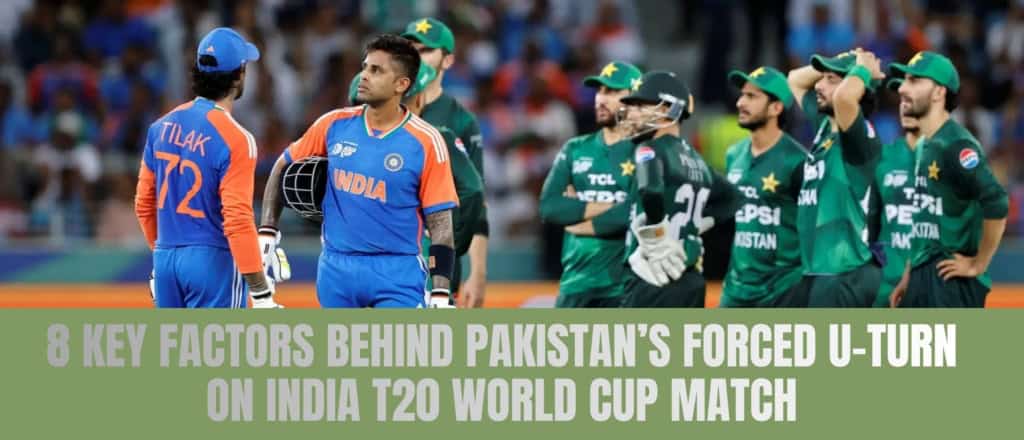
Pakistan boycott plans have triggered intense debate in global cricket, with reports suggesting the Pakistan Cricket Board is seriously considering forfeiting its high-profile group-stage clash against India at the T20 World Cup 2026. The proposed move has the potential to disrupt not only the tournament’s sporting balance but also its commercial foundations, given the enormous financial value attached to India–Pakistan encounters. The plan reportedly focuses on avoiding a full withdrawal from the event while still making a strong political statement. By targeting a single fixture rather than the entire tournament, Pakistan aims to minimize sporting fallout while maximizing symbolic impact.
Background Behind The Pakistan Boycott Decision
The Pakistan boycott discussion emerged amid deteriorating diplomatic relations between India and Pakistan, which have remained tense for years. Recent political developments and regional instability have once again spilled into the sporting arena, placing cricket administrators under pressure from national authorities. According to reports, PCB chairman Mohsin Naqvi briefed Pakistan’s prime minister on several options, including the selective forfeiture of the India match scheduled for February 15 in Colombo. The intention is not to abandon the T20 World Cup entirely, but to demonstrate solidarity with regional allies while navigating international cricket regulations.
Legal Route To Justify Pakistan Boycott
A central pillar of the Pakistan boycott strategy revolves around legal framing. Under ICC rules, cricket boards face penalties if political interference affects sporting decisions. To counter this, Pakistan is reportedly considering presenting the forfeit as a government directive rather than a voluntary board decision. By citing national security concerns and official instructions, the PCB believes it can invoke force majeure provisions. This approach, if accepted, could allow Pakistan to avoid fines or sanctions while still refusing to play the match. However, the effectiveness of this argument would ultimately depend on how the ICC interprets its own regulations.
ICC Sanctions And The Pakistan Boycott
Risk Despite internal confidence, the Pakistan boycott plan carries significant risk. The ICC has historically taken a firm stance against political involvement in cricketing matters. Any perception that the PCB is masking a board-level decision as a government order could invite scrutiny. Financial penalties, points deductions, or even suspension remain theoretical possibilities. The stakes are high, as the T20 World Cup represents a major revenue stream for all participating boards, including Pakistan.
Financial Impact Of Pakistan Boycott
On Global Cricket From a commercial standpoint, the India–Pakistan match is widely regarded as the single most valuable fixture in world cricket. Broadcast rights, sponsorship deals, and advertising revenue spike dramatically when the two rivals meet on the global stage. A Pakistan boycott of this match would directly affect the ICC’s earnings and could strain relationships with broadcasters and sponsors. Industry analysts estimate that a significant portion of the tournament’s projected revenue hinges on this one encounter, underlining why the issue is so sensitive.
PCB’s Financial Gamble With Pakistan Boycott
While Pakistan believes it has insulated itself from sanctions, the broader economic consequences are harder to predict. Even without formal penalties, alienating broadcasters or commercial partners could have long-term repercussions for Pakistan cricket. The PCB already operates within tighter financial margins compared to larger boards. Any disruption to revenue-sharing arrangements or future hosting opportunities could deepen existing challenges, making the boycott a high-stakes gamble.
Sporting Consequences Of Pakistan Boycott
On the field, a forfeited match would alter group standings and competitive balance. Other teams could gain an unintended advantage, while fans would be deprived of one of cricket’s most anticipated rivalries. The Pakistan boycott could also impact players, many of whom view India matches as career-defining moments. Missing such a fixture might affect team morale and individual exposure on the world stage.
Player And Fan Reactions To Pakistan Boycott
While official responses have been muted, fan reactions are expected to be polarized. Some supporters may view the boycott as a principled stand, while others could see it as a missed sporting opportunity. Players, meanwhile, are caught between national directives and professional aspirations. The emotional weight of India–Pakistan matches extends beyond points tables, making the decision far more complex than a simple forfeit.
Diplomatic Context Surrounding Pakistan Boycott
The Pakistan boycott proposal cannot be separated from broader geopolitical realities. Cricket has long served as both a bridge and a battleground between the two nations. Decisions taken in this context often resonate far beyond sport, influencing public sentiment and international perceptions. By choosing a partial boycott rather than a total withdrawal, Pakistan appears to be seeking a middle path. Whether this balance satisfies political expectations without damaging cricketing ties remains uncertain.
What Lies Ahead for the Pakistan Boycott
Plan As the T20 World Cup approaches, clarity will be crucial. The ICC, broadcasters, and participating nations will closely monitor developments, aware that precedent-setting decisions could reshape future tournaments. The Pakistan boycott debate underscores the fragile intersection of sport, politics, and commerce. How it unfolds may redefine not only this World Cup but also how international cricket handles political pressure in the years ahead.

Responses