

Pape Thiaw Banned After AFCON Final Controversy: Senegal Faces Sanctions

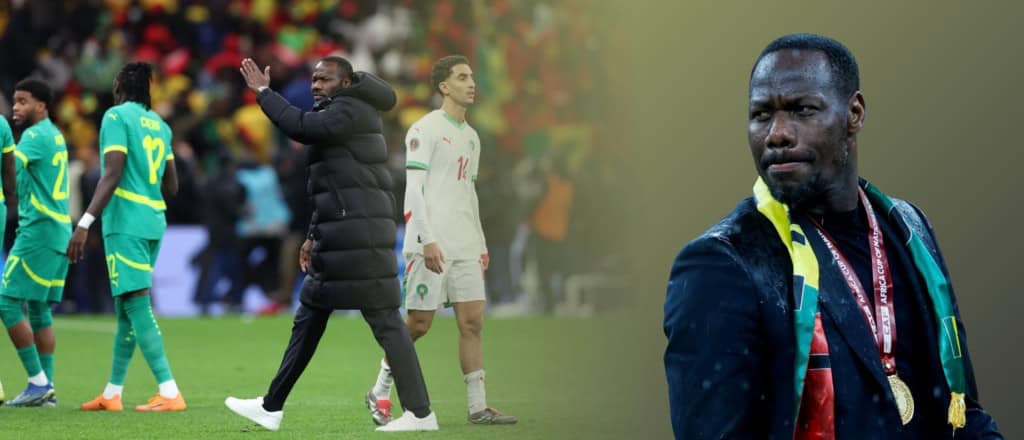
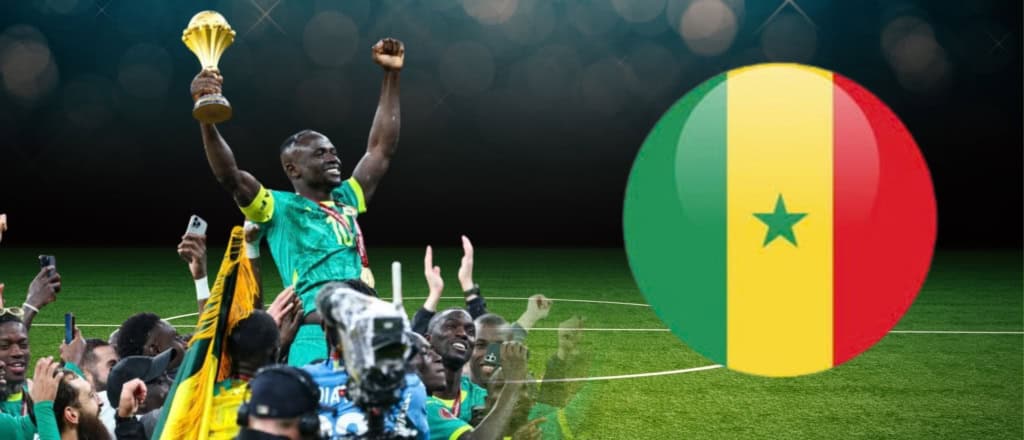
Senegal coach Pape Thiaw has received a five-match ban from the Confederation of African Football (CAF) following a highly controversial Africa Cup of Nations (AFCON) final against Morocco. The Senegalese team claimed a 1-0 victory in the January 18 final, marking their second AFCON title, but the celebrations were overshadowed by disciplinary actions due to on-field and off-field incidents. CAF cited “unsporting conduct” and “bringing the game into disrepute” as reasons for the coach’s suspension.
Alongside Pape Thiaw, Senegalese forwards Iliman Ndiaye and Ismaila Sarr received two-match bans each for unsporting behavior directed at the referee. The Senegal Football Federation (FSF) was fined a total of $615,000 due to multiple violations, including misconduct by players and technical staff. These penalties were enforced to uphold CAF’s principles of fair play, loyalty, and integrity across the tournament.
Controversial Incidents in the AFCON Final
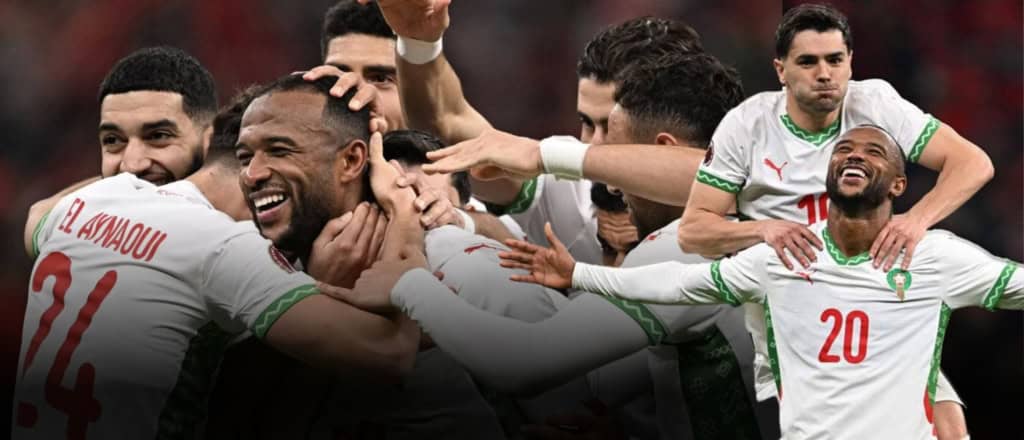
The AFCON final featured several contentious moments that contributed to the sanctions. Moroccan forward Ismael Saibari was handed a three-match ban and fined $100,000 for unsporting conduct, while Moroccan captain and defender Achraf Hakimi received a two-match suspension. The Royal Moroccan Football Federation (FRMF) was fined $200,000 for the inappropriate behavior of stadium ball boys.
An additional fine of $100,000 was imposed for the actions of Moroccan players and staff who invaded the VAR review area and obstructed the Congolese referee. Moroccan supporters were fined $15,000 for using lasers to distract Senegalese players during crucial moments of the match, bringing Morocco-related fines to a total of $315,000.
Disputed Penalty Triggers Protests
The final took dramatic turns late in regular time when Sarr’s goal was disallowed for a foul on 2025 African Player of the Year Achraf Hakimi. Shortly after, Morocco was awarded a penalty following a foul on Brahim Diaz. The decision sparked furious protests from Senegal players and staff, leading to a temporary walk-off.
CAF footage showed Pape Thiaw gesturing to his team, widely interpreted as instructing the players to leave the field. Most of the Senegal squad walked to the dressing room, but Sadio Mane remained on the pitch and persuaded his teammates to return, allowing the match to continue. Morocco missed the long-delayed penalty with a weak shot saved by goalkeeper Edouard Mendy, and Senegal eventually scored in extra time through Pape Gueye, sealing the championship.
Impact on Senegal Players and Federation
The bans imposed on Thiaw and the players apply solely to CAF matches and will not affect preparations for the 2026 World Cup in the United States, Canada, and Mexico. Senegal has been placed in Group I alongside France, Norway, and the winners of inter-continental play-offs involving Bolivia, Suriname, and Iraq. Morocco, who reached the semi-finals of the 2022 World Cup, will compete in Group C with Brazil, Scotland, and Haiti.
Thiaw’s ban prevents him from participating in the dugout for five of six AFCON 2027 qualifying matches scheduled in September, October, and November. The suspended players will miss the first two qualifiers, which emphasizes the importance of discipline in international competition. CAF aims to ensure that all teams maintain professional conduct during high-profile events.
Lessons from the AFCON Final
The AFCON final exposed the need for stronger regulation and control during high-stakes football matches. Incidents such as disputed penalties, pitch invasions, and player protests highlighted challenges in maintaining professionalism under pressure. CAF’s strict disciplinary actions against both Senegal and Morocco serve as a warning to all teams that unsporting conduct will have serious consequences.
Senegal Football Under Pressure
Despite securing victory, Senegal faced criticism for the conduct of its coach and players. Pape Thiaw’s actions and the team’s temporary walk-off have sparked debate about leadership and discipline. CAF’s sanctions reinforce the principle that competitive intensity must be balanced with fair play and professionalism at the continental level.
CAF fines and suspensions demonstrate that no team is immune from accountability. Senegalese authorities are expected to take internal measures to prevent similar incidents in the future. The enforcement of these rules is vital for upholding the integrity of African football.
Preparing for Global Tournaments
The incident serves as a reminder of potential challenges African teams may face ahead of the 2026 World Cup. Teams must balance competitive performance with discipline to avoid controversies that can distract from on-field focus. Senegal’s coaching staff now faces the task of addressing internal discipline while maintaining a winning mentality on the global stage.
CAF disciplinary decisions also highlight the need for all players and technical staff to understand the consequences of unsporting behavior. Enforcing these regulations ensures fairness and sets a standard for future tournaments, both continental and global.
Moving Forward: Strengthening Team Discipline
Senegal’s coaching staff must use this opportunity to improve team dynamics and enforce strict professional standards. Pape Thiaw’s suspension is a setback but also a chance to restructure the team’s approach to high-pressure situations. Reinforcing discipline and sportsmanship will be crucial for Senegal’s continued success in African and international football.
By addressing leadership and conduct issues, Senegal can convert lessons from the AFCON final into long-term improvements. Ensuring discipline while maintaining competitive performance will help the team build a stronger reputation on the continental and global stage.
Conclusion: Accountability Shapes Future Success
Pape Thiaw’s five-match ban, along with the sanctions imposed on players, underscores the importance of discipline and fair play in football. Senegal’s AFCON victory, while historic, serves as a reminder that professionalism must accompany talent.
As the team prepares for AFCON 2027 qualifiers and the 2026 World Cup, the lessons learned from the final will shape their strategies, leadership, and player conduct. By combining talent with discipline, Senegal can continue to achieve success while avoiding controversies that could undermine their achievements on the African and global football stage.

Responses