

Bracewell Banks on India Series to Prepare New Zealand for T20 World Cup 2026

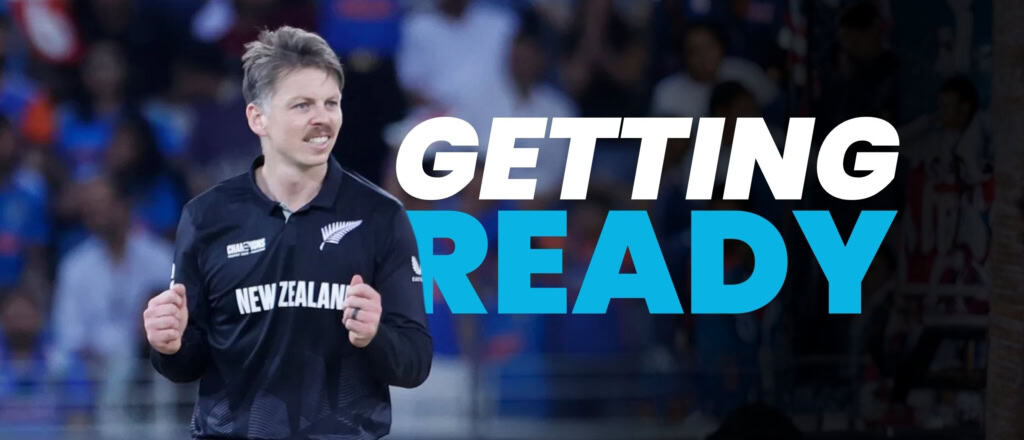
Michael Bracewell: India Series Key to New Zealand’s T20 World Cup Readiness
New Zealand’s cricket team is intensifying preparations for the ICC Men’s T20 World Cup 2026, and stand‑in captain Michael Bracewell believes the upcoming white‑ball series in India will play a pivotal role in ensuring his side is ready for the global tournament. With crucial ODI and T20 matches scheduled ahead of the World Cup, New Zealand is placing significant emphasis on acclimatizing to subcontinental conditions, building match momentum, and strengthening squad depth.
India Tour as Vital T20 World Cup Prep
Bracewell underscored the importance of New Zealand’s tour of India, which includes a combination of ODIs and T20Is starting on January 11 in Baroda. The series is seen not just as competitive fixtures but as strategic preparation for the pressures of the World Cup environment. “Being here and getting used to the weather is definitely going to put us in a better state for the World Cup,” Bracewell said during a team event in Mumbai.
India, known for spin‑friendly pitches and challenging conditions for visiting teams, offers New Zealand invaluable opportunity to test batting approaches, bowling strategies, and fielding cohesion. The conditions in India will mirror environments expected in February‑March 2026 when the T20 World Cup kicks off across India and Sri Lanka.
ODI Series: Building Rhythm and Confidence
Before entering the T20 series, New Zealand plays a three‑match ODI series against India. Bracewell sees this segment as foundational in building batting rhythm and bowling consistency. “We’ve obviously got a big one‑day series and then a T20 series ahead of the World Cup,” he explained. “It’s very important for us to get used to conditions and match situations before the World Cup starts.”
ODIs provide extended match time that helps batters settle into conditions, learn the bounce and spin, and gives bowlers opportunities to refine their lines and lengths under match pressure. For New Zealand, a country accustomed to pace and seam in home conditions, adapting to the grip, turn, and slower pitches in India will be vital for success on subcontinental tracks.
T20 Series: Direct Simulation of World Cup Format
The five‑match T20I series that follows the ODIs is seen as a direct rehearsal for the World Cup. Bracewell emphasized that the team’s priority is to use these matches not merely as competitive warm‑ups but as structural simulations of World Cup conditions — from moment‑by‑moment strategy to tactical adaptability under pressure.
“Being over here a way out from the World Cup and getting used to the conditions is vitally important,” Bracewell said. “It allows us to trial combinations, test our bench strength, and refine batting orders and bowling plans.”
Young Talent and Strategic Rotations
A notable aspect of New Zealand’s preparation strategy is the integration of younger talent alongside seasoned international players. Bracewell singled out Zak Foulkes — a pace bowler who impressed in recent white‑ball fixtures — as an example of the new faces adding depth to the squad. Foulkes’ ability to swing the ball late and generate pace on demand positions him as a valuable asset in India conditions.
“We’ve got a couple of young faces coming in,” Bracewell said. “One player who’s done well and hasn’t toured here with the New Zealand side is Zak Foulkes. He’s burst onto the international scene and done really well.”
The India tour also allows the coaching staff to rotate players, manage workloads, and evaluate bench strength ahead of the World Cup. With a packed schedule, the ability to rely on backups without compromising team performance is an essential competitive advantage.
Captaincy and Leadership Dynamics
As stand‑in captain, Bracewell’s leadership path is under the spotlight. His approach centers on balancing aggressive play with tactical patience, particularly in conditions where spin can dominate. Bracewell’s calm demeanor and all‑rounder experience help stabilize team decision‑making under pressure.
Leadership responsibilities also involve mentoring younger players and facilitating communication between coaching staff and the squad. Bracewell’s inclusive approach ensures that emerging talents such as Foulkes and other all‑round contributors feel integrated and prepared for high‑stakes competition.
Bench Strength: Crucial for World Cup Success
New Zealand’s bench strength will be rigorously tested during the India series. With several senior players balancing workload management, the tour provides opportunities for others to step up and secure spots in the final World Cup XI.
Spin options, led by Mitchell Santner and Ish Sodhi, will also see strategic rotation as the team determines the best combinations for subcontinental tracks. Similarly, depth in batting — with players like Finn Allen, Devon Conway, Glenn Phillips, and Tim Seifert — allows New Zealand to experiment with batting orders and finishing strategies that could be decisive at the World Cup.
Fielding and Fitness Emphasis
Beyond batting and bowling, Bracewell stressed the importance of fielding sharpness and fitness levels. High‑energy fielding is part of New Zealand’s identity, and maintaining this edge in the heat and humidity of Indian venues is paramount.
Strength and conditioning sessions are integrated into daily training to ensure players retain agility, speed, and defensive alertness. Fitness also plays into injury prevention — a critical concern ahead of a long tournament. Ensuring players remain physically robust throughout both the India series and the World Cup will require careful workload monitoring and recovery protocols.
Mental Preparation and Team Cohesion
Bracewell also highlighted the value of mental preparation. Playing in India, with its passionate crowds, challenging conditions, and demanding schedules, tests the psychological resilience of any touring team. Bracewell wants his squad to build not just physical readiness but confidence and composure under pressure.
Team cohesion is encouraged through shared experiences, off‑field events, and structured support systems, including performance psychologists and leadership mentoring. Such support empowers players to handle setbacks, maintain focus, and compete with clarity when World Cup stakes are highest.
Looking Ahead: World Cup Aspirations
New Zealand’s strategic focus is clear — use the India tour as a dress rehearsal for World Cup challenges. By confronting spin, mastering batting adaptability, testing bowling compositions, and refining fielding fitness, the team aims to arrive in peak form.
The upcoming series offers tactical learning opportunities, leadership refinement, and squad experimentation. For Bracewell, the objective is not just to adjust to conditions but to build a winning momentum that carries into the ICC Men’s T20 World Cup 2026.
Conclusion
With the India white‑ball series ahead of them, New Zealand is setting a thoughtful and proactive course toward World Cup readiness. Michael Bracewell’s leadership, combined with a balanced mix of youth and experience, places the team in a strong position to adapt and thrive in subcontinental conditions.
As New Zealand battles challenging opposition and acclimatizes to India’s unique conditions, the team’s performance in early 2026 will offer critical insights into its World Cup prospects. Fans and analysts alike will be watching closely — not just for match results but for signs of strategic cohesion, adaptability, and confidence that could shape New Zealand’s journey in the ICC Men’s T20 World Cup 2026.




Responses