

Red Bull Racing Unveils Stunning 2026 F1 Livery: Verstappen’s Number Switch Explained

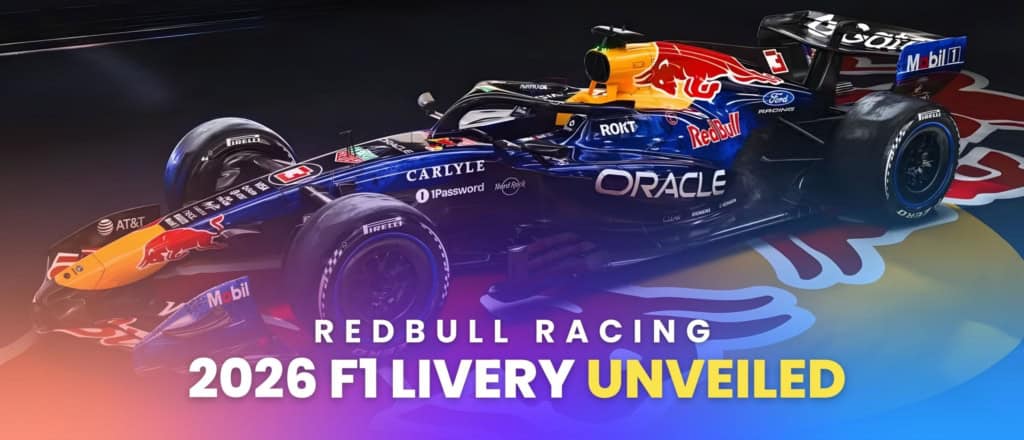
Red Bull Racing Reveals New 2026 F1 Livery
Red Bull Racing has officially unveiled its new 2026 Formula 1 livery, marking a bold departure from its traditional dark blue to a glossier, lighter shade of blue that reflects its new partnership with engine supplier Ford. This striking redesign also accompanies a change in Max Verstappen’s racing number, adding another layer of excitement for F1 fans around the world.
Max Verstappen Switches Racing Number
Four-time world champion Max Verstappen will no longer race with the iconic No. 1 plate, which he held as reigning champion. Instead, he will adopt No. 3, a number previously used by former Red Bull driver Daniel Ricciardo. The decision follows Verstappen’s loss of the 2025 championship to Lando Norris, and the number switch carries symbolic significance, representing a fresh start for the Dutch driver in the upcoming season.
The New Livery Design
Red Bull’s 2026 F1 livery integrates a lighter blue alongside traditional sponsor accents, giving the car a more polished and modern appearance. The design reflects the collaboration with Ford as a new engine supplier, and it also emphasizes aerodynamics and branding visibility on track. This revamp signals Red Bull’s commitment to innovation and performance, aligning aesthetics with competitive ambition.
Driver Lineup for 2026
Alongside Verstappen, Red Bull will promote Isack Hadjar, a promising French talent who impressed during his rookie season with sister team VISA Cash App Racing Bulls (VCARB) in 2025. The promotion highlights Red Bull’s ongoing strategy to integrate young drivers into the Formula 1 grid while maintaining a highly competitive lineup.
VCARB’s 2026 Lineup and Livery
The sister team, VCARB, also revealed its updated livery for 2026, maintaining strong visual ties with Red Bull Racing while introducing subtle tweaks to distinguish the teams. VCARB retained New Zealander Liam Lawson and added British driver Arvid Lindblad, whose Indian heritage through his mother adds further international appeal. The livery and lineup changes indicate a dual focus on performance and global branding.
Significance of Verstappen’s Number Change
Switching to No. 3 holds strategic and emotional weight for Verstappen. The number was previously unavailable due to Ricciardo’s tenure at Red Bull, but now it represents a new chapter for the driver. F1 fans are eager to see whether this symbolic reset translates into renewed performance and championship contention for the reigning superstar.
Visual and Technical Enhancements
Red Bull’s new livery is not purely cosmetic; the team emphasized that subtle aerodynamic tweaks and weight optimizations were incorporated into the car’s chassis to enhance handling and speed. While maintaining the recognizable Red Bull brand identity, these technical changes are designed to provide a competitive edge in the 2026 F1 season.
Fan and Media Reactions
The reveal has generated a wave of excitement among fans and media outlets. F1 analysts praised Red Bull Racing’s bold color choices, noting that the livery will stand out on circuits worldwide. Fans have also expressed curiosity about the number switch, speculating on how it might influence Verstappen’s mindset and strategy heading into a challenging season.
Red Bull’s Strategy in F1
Red Bull Racing continues to leverage a dual-team strategy with VCARB, combining veteran experience with emerging talent. The 2026 season lineup demonstrates a focus on balancing immediate performance with long-term driver development. By promoting Isack Hadjar and maintaining Verstappen’s presence, Red Bull ensures that both experience and potential are represented in the team’s F1 campaign.
The Importance of Branding in F1
The updated livery also reflects the commercial and branding aspects of Formula 1. Red Bull Racing’s lighter blue design is tailored to maximize visibility for sponsors and media coverage, aligning with modern marketing strategies in motorsport. The livery, combined with a fresh driver image, reinforces Red Bull’s global brand identity and competitive spirit.
Looking Ahead to the 2026 Season
As the 2026 F1 season approaches, attention will focus on how Verstappen adapts to the new car and number. Fans and analysts anticipate close competition from teams like Mercedes, Ferrari, and McLaren, making every technical and strategic decision crucial. Red Bull Racing’s livery, driver lineup, and number strategy demonstrate their intent to remain at the forefront of the championship battle.
Conclusion: A Bold Start for Red Bull in 2026
Red Bull Racing’s 2026 F1 livery and Verstappen’s number change mark a new era of style, strategy, and competition. The combination of aesthetic updates, technical improvements, and driver lineup adjustments reflects the team’s ambition to dominate the season while promoting young talent. As circuits around the world prepare for the opening races, fans will closely watch how these changes impact performance, driver confidence, and Red Bull’s pursuit of another championship.
With Verstappen aiming to reclaim his top spot and Isack Hadjar stepping into a bigger role, the 2026 season promises excitement, innovation, and intense competition, underlined by a bold visual identity that captures Red Bull Racing’s ambition and legacy.




Responses