

Short Tests in Cricket: 5 Shocking Impacts on Business and Player Fitness

Short Tests in Cricket: Business and Player Challenges
Cricket Australia’s recent Boxing Day Test has sparked a heated debate over short Tests in cricket, highlighting significant business and player fitness concerns. Cricket Australia CEO Todd Greenberg emphasized that short Tests are bad for business, following a 20-wicket day at the MCG, which caused operational and financial stress despite record attendance.
Financial Impact of Short Tests in Cricket
Greenberg admitted that the two-day Test could incur losses nearing AUD$5 million (US$3.3 million). While fans witnessed a thrilling match, the commercial side suffered. Cricket Australia had anticipated breaking crowd records across all five days, but the rapid fall of wickets created financial strain. Greenberg stressed, “Short Tests are bad for business,” noting the imbalance between bat and ball created challenges for maintaining engaging, multi-day contests.
Pitch Conditions and Match Duration Concerns
Former players and pundits criticized the MCG pitch for favoring seamers, resulting in a highly one-sided day. Greenberg noted the need for careful oversight on pitch preparation without undermining traditional autonomy, stating that balancing short Tests requires strategic management of conditions to ensure matches extend over multiple days.
England Seamer Injuries Highlight Player Risks
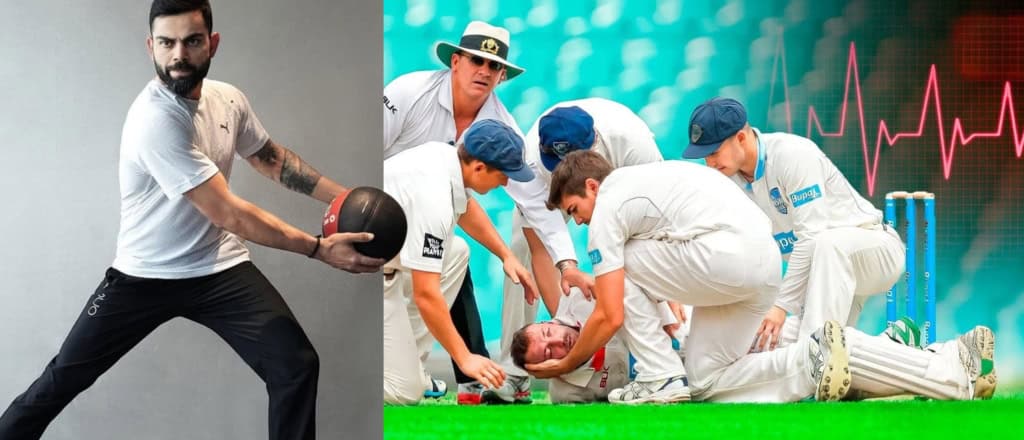
The MCG Test also highlighted player fitness issues. England’s Gus Atkinson left the field clutching his hamstring after just five overs, adding to a series of injuries among their seamers, including Mark Wood and Jofra Archer. These incidents emphasize the physical demands and risks associated with short Tests that can accelerate fatigue and injuries.
Australian Players Face Fitness Challenges Ahead
Australia’s Tim David also sustained a hamstring injury during a BBL match, raising concerns over his availability for the upcoming T20 World Cup. David, who injured the hamstring while running between the wickets, retired hurt after scoring 42 off 28 balls. His situation underscores how back-to-back high-intensity matches in domestic leagues and short Tests can compromise player readiness for international tournaments.
Domestic Leagues Under Pressure from Compressed Schedules
In the SA20, MI Cape Town narrowly lost to Durban’s Super Giants, despite Ryan Rickelton scoring 113 off 63 balls. Similarly, South Africa’s Kagiso Rabada is racing against time to prove his fitness for the T20 World Cup while missing initial SA20 matches due to a rib injury. These situations illustrate how compressed schedules, combined with short Tests, place both financial and player fitness pressures on teams and governing bodies.
Impact on Women’s Cricket and Emerging Players
Short matches also affect women’s cricket. India’s T20I series against Sri Lanka saw Shafali Verma score 79 off 42 balls, contributing heavily to an eight-wicket win. While individual brilliance shines, the pressure on bowlers like Renuka Singh and Deepti Sharma to perform in limited overs is intense. This highlights that short Tests or condensed formats can amplify pressure on emerging talent, both financially and physically.
T20 and BBL Competitions Reflect Fitness and Performance Balance
In the BBL, Sam Harper’s unbeaten 110 led Melbourne Stars to victory over Sydney Sixers, while Peter Siddle and Tom Curran contributed crucial wickets. The condensed format of T20 and short Tests demands peak performance over fewer sessions, increasing injury risk and necessitating careful workload management.
Strategic Considerations for Cricket Boards
Cricket boards must balance financial stability, fan engagement, and player fitness. CEO Todd Greenberg’s comments underline the importance of monitoring short Tests to avoid revenue losses while ensuring player safety. Oversight of pitch conditions, scheduling, and fitness protocols are critical to maintaining sustainable cricket operations.
Conclusion: Navigating Short Tests in Modern Cricket
Short Tests in cricket, while entertaining for fans, present serious challenges. They can lead to significant financial losses, amplify player injuries, and strain team performance in domestic leagues and international competitions. Boards like Cricket Australia are recognizing the need for strategic intervention, balancing excitement with sustainability. The lessons from recent Tests, T20 leagues, and player fitness issues highlight why short Tests require careful planning for the sport’s long-term growth.
Overall, the current cricket landscape emphasizes that short Tests are bad for business and player welfare, demanding proactive strategies for scheduling, pitch preparation, and injury management.





Responses