

Split Coaching Debate Ignites After India’s ODI Loss Under Gambhir


Split Coaching Debate Sparks After India’s ODI Series Loss
India’s first-ever ODI series loss at home to New Zealand sparks debates on Split Coaching, with Robin Uthappa supporting format-specific coaching to improve strategy and performance.
India’s ODI Series Defeat
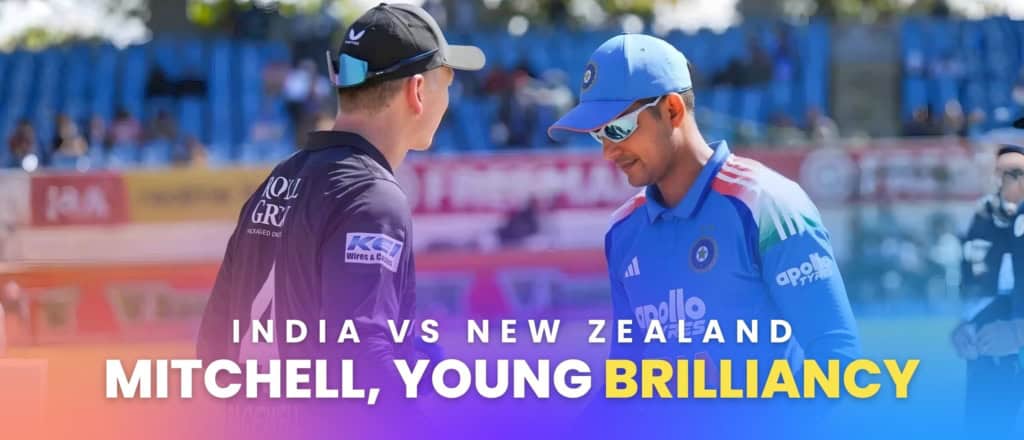
In the three-match series, India started with a win but suffered losses in the next two matches, including a shocking 41-run defeat in the final ODI in Indore. New Zealand posted a formidable 337/8 in the final match, led by Daryl Mitchell’s century. Despite Virat Kohli scoring a resilient 124 runs, India was bowled out for 296, losing the series 2-1.
This historic series defeat has raised questions about team strategy, player support, and coaching effectiveness, sparking discussions on whether a single coach should oversee all formats.
Robin Uthappa Supports Split Coaching
Former India cricketer Robin Uthappa, a teammate of Gambhir at Kolkata Knight Riders (KKR), suggested that having separate coaches for different formats could help maintain freshness and motivation. Uthappa explained that transitioning between formats can mentally strain coaches and players, potentially leading to suboptimal performance.
India plays a lot of cricket. You feel like your mind becomes stale when moving from one format to another. Sometimes you are so consumed that preparing for another format becomes difficult. Split coaching could provide the freshness of mindset and energy needed,” Uthappa stated.
He emphasized that split coaching should maintain cohesion and clear communication, ensuring all coaches and staff work collaboratively toward team success.
Role of Gautam Gambhir
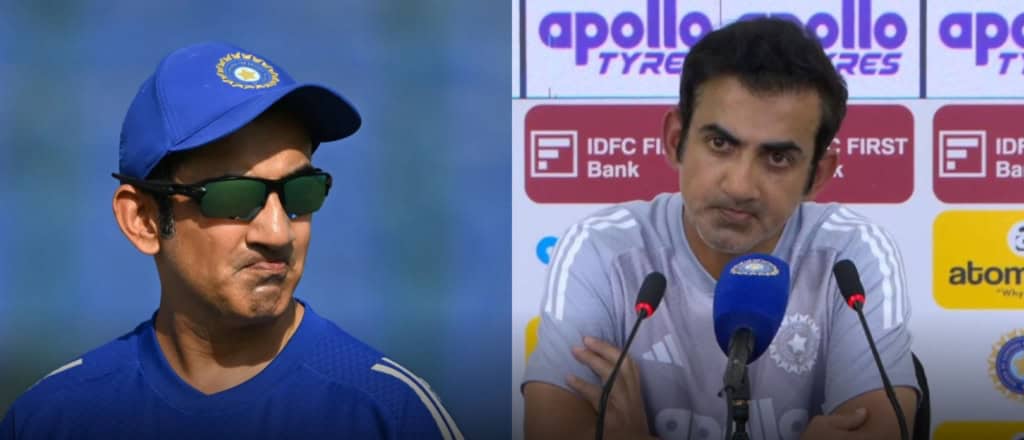
Gautam Gambhir, despite winning an ICC trophy and an Asia Cup in his tenure, faces criticism after India’s poor home series performance. His approach to team management and strategic decisions, particularly in ODIs, has been questioned following the loss to New Zealand. Analysts note that while Gambhir has overseen successes, these high-profile defeats underscore the pressures and complexities of coaching a national team.
Split coaching supporters argue that having different coaches for Test, ODI, and T20 formats could allow specialized attention, tailored strategies, and better player management. Such a system could complement Gambhir’s vision while preventing mental fatigue and ensuring format-specific preparation.
Uthappa on the Director of Cricket Role
Uthappa also recommended a structure where a Director of Cricket oversees overall strategy and decision-making, coordinating with different format coaches. He suggested that scouts could report to the director, who then collaborates with coaches to make final team selections and tactical plans.
“It is not an easy call to take. You need coaches to work in tandem. Communication lines must remain open, knowing when someone takes the lead or backseat. This ensures the system is productive and constructive,” Uthappa said.
Such a model could preserve Gambhir’s authority while distributing responsibilities across formats, potentially enhancing team performance and maintaining high standards.
Implications for Team India
Implementing split coaching could influence preparation for future ICC events, including the 2027 ODI World Cup and other international tournaments. Players might benefit from format-specific training, tactical insights, and coaching guidance tailored to their roles.
Current captain Shubman Gill acknowledged the need for reflection and improvement after the series. He praised individual performances like Virat Kohli’s batting but highlighted areas requiring strategic planning and player development. Opportunities for emerging players, such as Nitish Kumar Reddy, are part of the ongoing evaluation.
Split coaching advocates argue that a dedicated coach per format could enhance performance analysis, optimize team combinations, and foster better decision-making under pressure.
Historical Context of Coaching in India
Indian cricket has seen varied coaching structures over the years. Previous coaches managed multiple formats, but increasing fixture congestion and player workload have led to discussions about format-specific coaching. Split coaching has been debated before, with proponents noting benefits such as focused preparation, specialized expertise, and improved player management.
Critics, however, caution that having multiple coaches could lead to communication gaps, conflicting strategies, or divided authority. Ensuring coordination between coaches, selectors, and administrators is vital to prevent confusion and maintain team cohesion.
Future Outlook for India
As the team looks toward major international competitions, coaching structure decisions will play a crucial role. Whether India continues under a single head coach like Gautam Gambhir or adopts a split-coaching model, the goal remains consistent: maximizing team performance and achieving success across formats.
The debate also underscores the pressures national coaches face in modern cricket. Maintaining mental freshness, devising winning strategies, and managing player expectations are critical components of a high-performing coaching setup.
Conclusion: Split-Coaching Could Shape India’s Future
India’s ODI series loss to New Zealand has reignited the split-coaching debate, with former cricketer Robin Uthappa advocating for format-specific coaching to preserve energy, enhance focus, and optimize performance. Gautam Gambhir’s leadership remains under scrutiny, but the potential for a split-coaching model could provide the team with the structure needed for long-term success.
As the Indian cricket board evaluates strategies, the insights from former players and current series outcomes will guide decisions. Whether implemented, split-coaching could transform preparation for major tournaments, ensuring Team India remains competitive and well-prepared for global challenges.
A collaborative system with format-specific coaches and a Director of Cricket could balance authority, maintain team cohesion, and foster consistent performance across Test, ODI, and T20 formats, shaping the future of Indian cricket.


Responses