

Sri Lanka Arrests World Cup Captain in ₹23.5 Crore Oil Scam Case

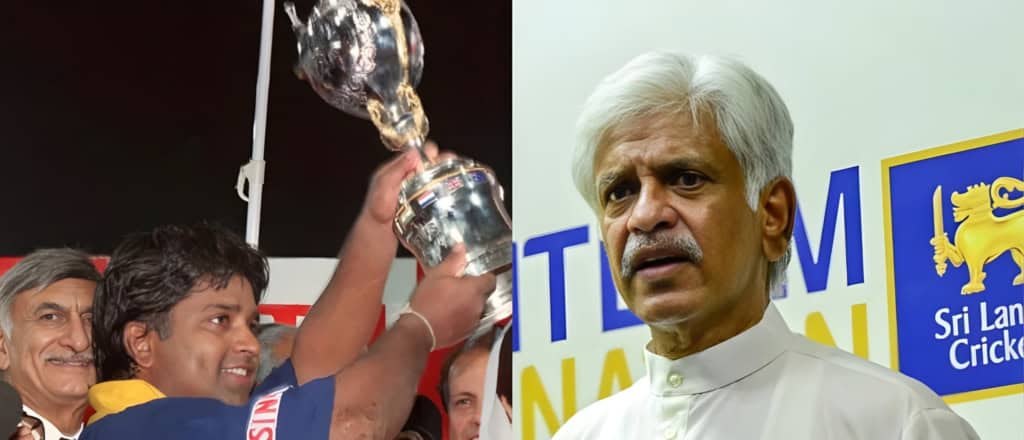
The Sri Lanka arrest of former cricket captain and ex-petroleum minister Arjuna Ranatunga has become a defining moment in the country’s anti-corruption campaign, blending political accountability with sporting legacy. Authorities have confirmed imminent legal action linked to controversial oil procurement decisions made during his ministerial tenure in 2017, with investigators estimating a state loss of nearly ₹23.5 crore.
The case has attracted both national and international attention due to Ranatunga’s stature as the leader of Sri Lanka’s historic 1996 World Cup triumph. The unfolding Sri Lanka arrest proceedings underline the government’s intent to pursue evidence-driven cases regardless of public stature.
Sri Lanka Arrest Linked to Oil Procurement Case at CPC
The Sri Lanka arrest originates from an investigation into fuel purchases by the Ceylon Petroleum Corporation, where officials allege that established tender procedures were bypassed. Investigators claim that procurement methods were altered to favor short-term spot purchases instead of long-term contracts, significantly increasing costs during a volatile pricing period.
Authorities state that 27 such spot transactions were approved, resulting in an estimated loss of 800 million Sri Lankan rupees. The oil procurement case now forms the legal foundation upon which prosecutors intend to proceed against former decision-makers.
Arjuna Ranatunga Corruption Allegations Explained
The Sri Lanka arrest investigation focuses on Ranatunga’s role as petroleum minister during a period marked by fuel shortages and rising global prices. Prosecutors allege that procurement policy changes under his watch exposed the state to unnecessary financial risk while violating established regulatory frameworks.
Legal authorities will attempt to determine whether these actions constituted administrative misjudgment or deliberate misconduct. The outcome of the Arjuna Ranatunga corruption inquiry will depend on documentary evidence tied to approvals, pricing decisions, and internal communications.
Brother’s Detention Strengthens Sri Lanka Arrest Case
As part of the broader Sri Lanka arrest operation, Dhammika Ranatunga, the former chairman of the Ceylon Petroleum Corporation and elder brother of Arjuna Ranatunga, was taken into custody earlier in the investigation. His arrest was directly connected to the execution of procurement decisions now under legal scrutiny.
Although later released on bail, Dhammika Ranatunga was placed under a strict overseas travel ban due to his dual citizenship. Investigators consider his role operationally significant in implementing procurement strategies central to the case.
Court Timeline and Expected Arrest Developments
The Colombo Magistrate’s Court has scheduled further hearings, formally advancing the Sri Lanka arrest process toward trial proceedings. Prosecutors informed the court that Arjuna Ranatunga is currently abroad and will be detained immediately upon his return to the country.
Authorities have already compiled procurement records, internal correspondence, and pricing data, which they believe establish a clear decision-making trail. These materials are expected to form the core evidentiary structure presented in court.
Cricket Legacy Collides With Legal Accountability
The Sri Lanka arrest carries symbolic weight because of Ranatunga’s unparalleled influence on the nation’s cricketing identity. As a captain, he challenged traditional power structures in international cricket and led Sri Lanka to its only World Cup title, earning enduring public admiration.
That legacy now stands in sharp contrast to the allegations surrounding his political career. Public discourse reflects a broader tension between reverence for sporting achievement and expectations of ethical governance.
Anti-Corruption Drive Reshapes Political Landscape
The Sri Lanka arrest is part of a wider anti-corruption drive launched under President Anura Kumara Dissanayake, who pledged institutional reform and legal accountability after assuming office. Officials have stressed that investigations are evidence-led and insulated from political favoritism.
Several high-profile probes have been initiated under this mandate, positioning the oil procurement case as a benchmark for how future corruption allegations may be handled within the legal system.
Wider Legal Pressure on the Ranatunga Family
Beyond this Sri Lanka arrest, scrutiny has extended to other members of the Ranatunga family. Former tourism minister Prasanna Ranatunga was arrested last month in connection with an insurance fraud investigation, adding momentum to public debate on political accountability.
Prasanna Ranatunga had previously received a suspended sentence in 2022 for extortion-related charges. These parallel cases have intensified scrutiny of governance standards among former officeholders.
Political Impact and Governance Implications
The Sri Lanka arrest of a former national sports hero signals a shift in enforcement credibility, according to political analysts. Prosecuting prominent figures is seen as a test of institutional independence and judicial integrity during a period of economic recovery.
The oil procurement case also highlights how crisis-era policy decisions can later become focal points for legal evaluation, especially when transparency and compliance are questioned.
What Comes Next in the Sri Lanka Arrest Process
As proceedings advance, attention will remain fixed on judicial process, evidentiary strength, and procedural fairness. The Sri Lanka arrest case is expected to influence public confidence in the country’s broader reform agenda and set precedents for future prosecutions.
For now, the case stands as one of the most consequential corruption investigations involving a national icon, carrying implications far beyond the courtroom.


Responses