

T20 World Cup 2026: 4 Key Reasons Behind Axar Patel Call


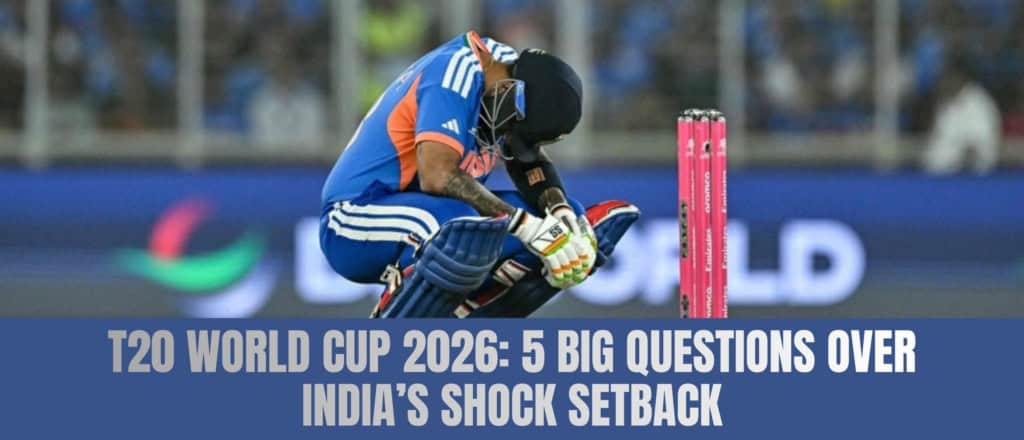
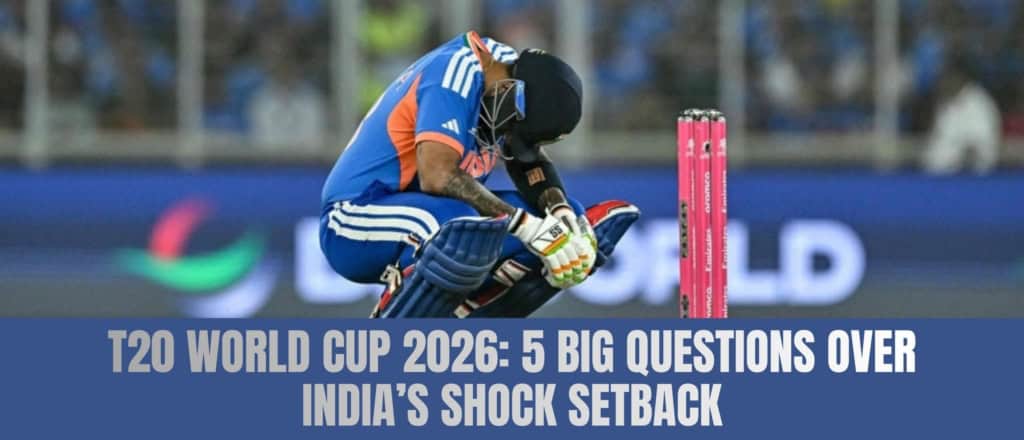
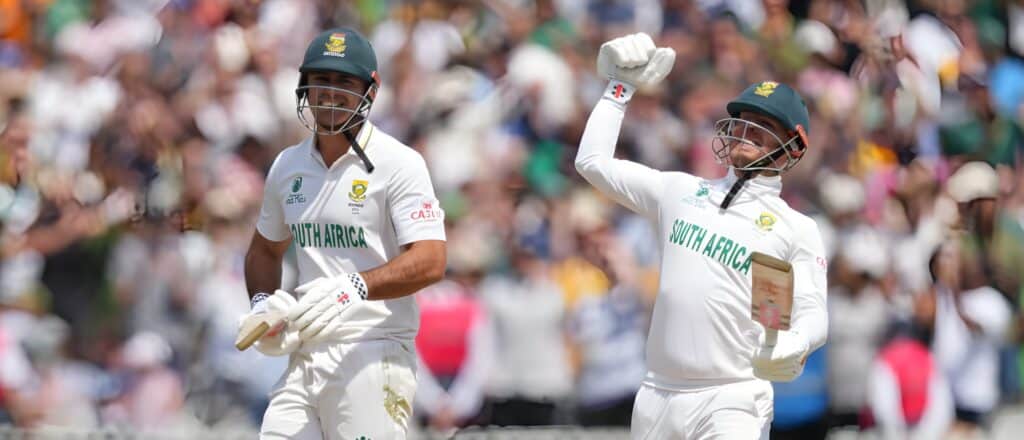
The exclusion of Axar Patel dominated headlines after India’s 76-run defeat to South Africa in the Super 8 stage of the T20 World Cup 2026. Axar Patel, India’s vice-captain and trusted all-rounder, was left out of the playing XI, prompting intense scrutiny following the heavy loss in Ahmedabad. The decision, taken in what management described as a “tactical adjustment,” quickly turned into one of the most debated selection calls of the tournament.
Axar has long been regarded as a dependable figure in India’s white-ball setup, offering balance with his economical left-arm spin and ability to stabilize or accelerate the batting order when required. His absence was particularly surprising given the conditions in Ahmedabad, which were expected to assist spinners as the match progressed. Critics argued that India lacked control in the middle overs, an area where Axar typically exerts pressure and breaks partnerships.
Former players and analysts questioned whether the team management overthought the matchup against South Africa’s batting-heavy lineup. Without Axar’s all-round value, India appeared slightly unbalanced, with the bowling attack struggling to contain runs and the lower order failing to provide depth. The 76-run defeat only intensified the backlash, as fans pointed to the vice-captain’s omission as a key turning point.(T20 World Cup 2026)
Team officials defended the decision, stating it was based on opposition analysis and pitch assessment. However, with India’s semi-final hopes hanging in the balance, the controversy has added further pressure on the leadership group. As the tournament enters its decisive phase, calls are growing louder for Axar’s immediate return to the playing XI to restore balance and experience to the side.
Management Explains Tactical Call – T20 World Cup 2026
Assistant coach Ryan ten Doeschate revealed that the team management spent significant time finalising the playing XI ahead of the high-stakes clash. According to him, the decision involving Axar Patel was purely tactical, centred on specific match-ups and overall team balance rather than form or fitness concerns. He emphasized that such calls are often made after detailed discussions between the captain, coaches, and analysts, particularly in knockout-stage scenarios where small advantages can prove decisive.
India ultimately opted for Washington Sundar, believing his powerplay bowling would be better suited to counter South Africa’s left-handers in the T20 World Cup 2026 contest. The management felt Sundar’s ability to swing the new ball slightly and maintain tight lines in the early overs could restrict aggressive starts and create early breakthroughs. With South Africa known for their attacking approach at the top, the strategy was to apply immediate pressure rather than wait for the middle overs.
Ten Doeschate also pointed out that tournament cricket often demands flexible thinking. Conditions, opposition strengths, and game scenarios can influence last-minute adjustments. While Axar Patel’s experience and all-round capabilities were acknowledged, the think tank believed the specific dynamics of the Ahmedabad pitch and South Africa’s batting order warranted a different combination.
However, the outcome did little to silence critics. India struggled to control the tempo during crucial phases, leading many to question whether the tactical gamble paid off. As the tournament progresses, management’s selection strategies will continue to face intense scrutiny, especially with India’s semi-final ambitions still on the line.
Selection Strategy Under Question – T20 World Cup 2026
Despite the explanation, Axar Patel’s absence was widely debated as Sundar did not bowl in the powerplay as initially planned. The think tank also preferred playing Rinku Singh as an additional batter, forcing a direct choice between Axar Patel and Sundar. In hindsight, the move appeared costly as India failed to defend effectively and later collapsed while chasing 188.
India Seek Quick Turnaround – T20 WorldC 2026
The defeat marked India’s heaviest loss in T20 World Cup history and brought a sudden halt to their impressive ICC winning streak. What was expected to be a closely contested encounter instead exposed vulnerabilities in both their batting depth and bowling execution. The margin of defeat not only dented team morale but also raised serious questions about strategy, adaptability, and on-field decision-making under pressure.
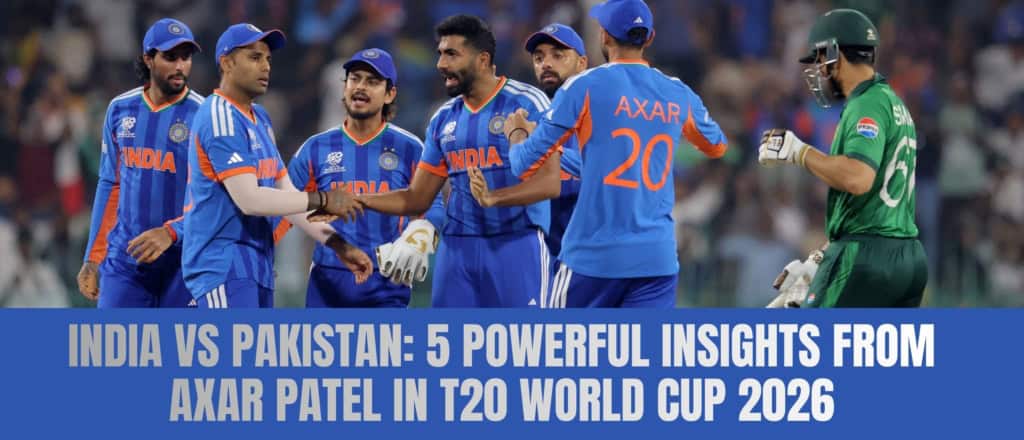
Despite the setback, team management was quick to back senior all-rounder Axar Patel, insisting he remains a vital leader within the squad. His experience, calm presence, and ability to contribute in multiple departments are seen as crucial assets in high-stakes tournaments. However, the spotlight now firmly rests on India’s team combinations and tactical flexibility. Questions are being asked about the balance between youth and experience, the effectiveness of the current batting order, and whether the bowling unit has the right variety to handle diverse conditions.
With two crucial Super 8 matches remaining in the T20 World Cup 2026, India must reassess their approach to keep their semi-final hopes alive. A sharper powerplay strategy, improved middle-over acceleration, and more disciplined death bowling will be essential. The team may also need to make bold selection calls to inject fresh energy and address specific weaknesses exposed in the loss.
India has historically shown resilience after setbacks in global tournaments. The coming matches now present an opportunity not just for redemption, but for reaffirming their status as one of the tournament favorites. A quick turnaround is not just desirable it is absolutely necessary.

Responses