

Scotland Could Replace Bangladesh in T20 World Cup 2026 Amid Controversy


Scotland Could Replace Bangladesh in T20 World Cup 2026
The International Cricket Council (ICC) has reportedly asked the Bangladesh Cricket Board (BCB) to confirm their participation in the T20 World Cup 2026 in India by January 21. If Bangladesh decides not to travel due to security concerns, Scotland could potentially take their place. This unexpected development has sparked debates across cricketing circles, as Scotland would enter the tournament as the highest-ranked team not already participating.
Bangladesh’s Security Concerns
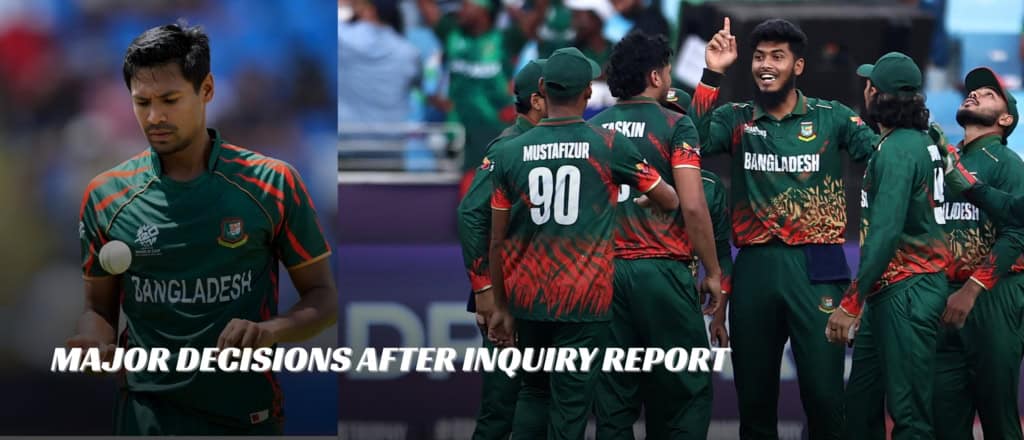
Bangladesh cited security concerns and national pride as reasons for requesting the ICC to shift their group matches from India to co-host Sri Lanka. The move comes after the removal of pacer Mustafizur Rahman from the 2026 Indian Premier League due to unspecified developments, which reportedly triggered tensions within the BCB.
Despite the request, the ICC has remained firm on the schedule, stating that matches cannot be shifted to Sri Lanka. This leaves Bangladesh with the difficult decision of either traveling to India or potentially being replaced in the tournament by another team.
Scotland on Standby
Scotland, currently the highest-ranked team outside the T20 World Cup lineup, is being considered as a replacement if Bangladesh withdraws. While no formal discussions have taken place between ICC and Cricket Scotland, the potential inclusion of the Scottish team has created anticipation among fans. Officials in Scotland have stated they will not initiate talks out of respect for Bangladesh Cricket Board counterparts, keeping the decision in the hands of the ICC.
Historically, Scotland has replaced other nations in ICC events before. In 2009, Zimbabwe withdrew from the T20 World Cup in England for political reasons, and Scotland was included as the next-best team based on global qualifying rankings. This precedent makes Scotland a logical replacement if Bangladesh opts out of participation in 2026.
ICC’s Position on the Situation
An ICC source confirmed that Bangladesh must decide on its participation by January 21. If they refuse to travel to India, the ICC will replace them with another eligible team according to rankings. While the ICC has explored potential solutions, including relocating matches, logistical challenges and prior commitments have prevented any major changes to the schedule.
The ICC emphasizes that maintaining the tournament schedule is critical for stakeholders, broadcasters, and fans worldwide. The co-hosting arrangement with India and Sri Lanka had already been finalized, including marquee fixtures such as the India-Pakistan clash. Adjusting the venue could disrupt carefully negotiated broadcasting and sponsorship agreements.
Potential Impact on Teams and Fans
If Scotland replaces Bangladesh, it would mark a significant milestone for Scottish cricket, giving the team exposure on the global stage and an opportunity to compete against top-ranked nations. For fans, this change could generate excitement and curiosity about how Scotland will perform in a high-pressure tournament.
On the other hand, Bangladesh’s absence would be a major talking point. Fans and cricket analysts are already speculating about how missing the tournament could affect the country’s cricketing reputation and rankings. For Bangladesh, the decision involves weighing player safety, logistical concerns, and international cricketing commitments.
Broader Implications for the T20 World Cup
This controversy highlights broader challenges in organizing international cricket tournaments. Security, political developments, and player availability continue to influence ICC events. The situation underscores the importance of clear communication between cricket boards and the ICC to ensure smooth tournament execution.
If Scotland joins, the T20 World Cup 2026 could witness fresh talent and unexpected matchups. Cricket analysts will closely monitor how Scotland adapts to high-stakes games and whether the team can challenge traditional powerhouses.
Historical Precedents
ICC tournaments have a history of last-minute replacements due to unforeseen circumstances. Apart from Scotland replacing Zimbabwe in 2009, other instances include team withdrawals due to political unrest, natural disasters, or security issues. Such situations require rapid decision-making by the ICC while maintaining fairness and tournament integrity.
Incorporating Scotland as a replacement would follow established ICC protocols, ensuring that rankings and performance metrics guide tournament participation. This approach maintains competitive balance while adhering to global cricketing standards.
Conclusion: Awaiting the Final Decision
As the January 21 deadline approaches, all eyes are on Bangladesh and the ICC. The final decision will determine the team lineup for the 2026 T20 World Cup, with Scotland ready to step in if necessary. Fans, players, and cricket boards are preparing for both possibilities: a full tournament with Bangladesh or a reshuffled lineup including Scotland.
This unfolding situation illustrates the dynamic nature of international cricket, where organizational challenges, security considerations, and team rankings intersect. Whatever the outcome, the T20 World Cup 2026 promises to deliver competitive cricket and unexpected stories, highlighting the global appeal and unpredictable nature of the sport.
Scotland’s potential entry into the tournament would not only reward the team’s performance in rankings but also enrich the World Cup experience with new talent and narratives. Meanwhile, Bangladesh faces a crucial decision balancing safety, logistics, and cricketing commitments, shaping the future of their participation on the world stage.



Responses