

Tim David and Kagiso Rabada Face Fitness Tests Ahead of Key T20 Tournaments

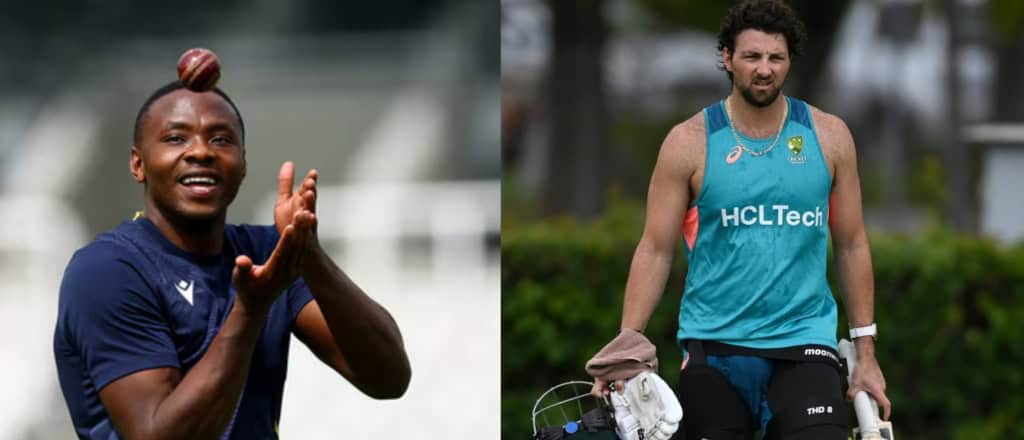
Fitness Concerns for Tim David and Kagiso Rabada Ahead of T20 Action
As cricket fans gear up for the 2026 T20 World Cup, fitness concerns have emerged for two prominent players: Tim David of Australia and Kagiso Rabada of South Africa. Both players have suffered recent injuries, raising questions about their availability and performance in upcoming T20 matches. Tim David’s hamstring issue and Rabada’s rib injury have forced their respective teams to monitor their recovery closely, highlighting the critical role of player fitness in high-intensity T20 cricket.
Tim David’s Hamstring Injury and Impact on Australia
Australia’s hard-hitting batter Tim David injured his hamstring while running between the wickets during the Hobart Hurricanes’ BBL clash against Perth Scorchers. The injury occurred after David scored a blistering 42-ball 79, demonstrating his aggressive style at the crease. Despite retiring hurt, David’s innings had already set his team on course for a narrow victory. This is David’s second hamstring injury this year, following a significant strain during the IPL that caused him to miss two months of cricket. The recurrence raises concerns for his fitness leading into the T20 World Cup in India and Sri Lanka, which begins on February 7, 2026.
Hurricanes captain Nathan Ellis expressed hope for David’s recovery, emphasizing the player’s importance to both the team and the national side. “He’s a huge figure in the Australian cricket team, and we are hopeful he will recover in time,” Ellis said. David’s batting averages in T20Is are impressive, with 36.27 runs per innings and a strike rate of 168.88, making him one of the most destructive short-format players globally. His ability to bat at No. 4 or 5 provides Australia with flexibility in their lineup, making his fitness crucial for tournament preparations.
Tim David’s Role in Team Strategy
Tim David’s aggressive batting style has transformed the way Australia approaches the middle overs in T20 cricket. His ability to clear boundaries consistently shifts momentum in favor of his team. During the Hurricanes’ recent match, David’s 42-ball 79 included multiple sixes and boundaries, keeping the scoreboard ticking despite early wickets. His injury interrupts this rhythm, potentially forcing Australia to reconsider batting order strategies. The team may have to rely on other middle-order batters to fill the void, but replicating David’s firepower is a challenging task, underscoring his significance.
Kagiso Rabada’s Rib Injury and South Africa’s Concerns
South African fast bowler Kagiso Rabada is also facing a race against time to prove his fitness ahead of the T20 World Cup. Rabada has been sidelined with a rib injury since October, missing key domestic and international fixtures, including the SA20 opener for MI Cape Town against Durban’s Super Giants. The injury has prevented him from establishing match fitness and rhythm, both crucial for leading South Africa’s pace attack in T20 cricket. Rabada’s inclusion in the squad is likely contingent on passing fitness assessments in the remaining matches before tournament selection.
MI Cape Town captain Rashid Khan confirmed that Rabada could feature in the team’s third match of the SA20 season, giving him limited opportunities to showcase form and fitness before the T20 World Cup squad is finalized. South Africa’s selection committee will closely monitor Rabada, given his history as a strike bowler capable of delivering match-winning performances in short formats. His pace, bounce, and ability to bowl in the death overs make him indispensable for South Africa’s T20 strategies, highlighting the importance of a timely recovery.
Fitness Management in Modern Cricket
The injuries of Tim David and Kagiso Rabada underscore the increasing demands of modern T20 cricket on players’ physical conditioning. With consecutive domestic leagues, international series, and global tournaments, players are exposed to intensive schedules that heighten the risk of injuries. Effective injury management, physiotherapy, and load monitoring have become essential for ensuring players remain fit and match-ready. Teams must balance performance goals with player welfare, using data-driven approaches to reduce injury recurrence and optimize recovery periods.
David’s hamstring injury and Rabada’s rib problem illustrate the fine line between peak performance and injury setbacks. Rehabilitation protocols, including rest, physiotherapy, and controlled practice sessions, are critical for returning players to full fitness without risking further strain. The management of such injuries also impacts team selection and game plans, requiring captains and coaching staff to adapt strategies in real-time.
Strategic Implications for Upcoming T20 Matches
The potential absence or limited participation of David and Rabada could significantly affect team strategies in the T20 World Cup. Australia may need to recalibrate its middle-order batting options, possibly relying on other aggressive batters or promoting power hitters to higher positions. South Africa, on the other hand, could face a gap in its pace attack, requiring other fast bowlers to shoulder the responsibility of taking early wickets and containing runs in the powerplay.
Coaches and analysts must prepare contingency plans, including backup players who can step in seamlessly. Strategic field placements, rotation of bowlers, and adaptive batting orders will be crucial to mitigating the impact of injuries. These tactical adjustments demonstrate the interconnectedness of fitness, team selection, and match strategy in the high-stakes environment of T20 cricket.
The Psychological Factor
Injury management also encompasses the psychological readiness of players. Recovering from hamstring or rib injuries involves not only physical rehabilitation but also mental preparation to regain confidence at high speeds and under pressure. Tim David’s previous injuries during the IPL and subsequent T20I matches required careful mental conditioning to ensure he remained aggressive without fear of re-injury. Similarly, Rabada’s recovery demands focus and resilience, as fast bowlers must maintain intensity without compromising technique.
Coaching staff, sports psychologists, and medical teams play integral roles in guiding players through recovery and reintegration. Maintaining positive morale, encouraging cautious yet confident gameplay, and fostering team support are critical to restoring performance levels for crucial T20 tournaments.
Outlook for T20 World Cup 2026
If Tim David and Kagiso Rabada recover fully, they will play pivotal roles in their respective teams’ campaigns at the T20 World Cup. David’s explosive batting could dictate outcomes in middle overs, while Rabada’s pace and wicket-taking ability could destabilize opposition lineups. Both players are capable of influencing match dynamics single-handedly, underlining the importance of their fitness for team success.
The next few weeks will be decisive, with domestic league matches providing opportunities for both players to assess readiness and regain match rhythm. Teams, selectors, and fans will watch closely as David and Rabada navigate the delicate balance between injury recovery and competitive performance, highlighting the high stakes involved in professional T20 cricket.
Conclusion: Fitness as a Key Determinant
In conclusion, Tim David and Kagiso Rabada’s fitness tests emphasize the critical role of player well-being in modern T20 cricket. Injuries can influence team composition, strategies, and overall performance in high-profile tournaments. Proper rehabilitation, strategic planning, and psychological readiness are essential to ensure these players contribute effectively. As the 2026 T20 World Cup approaches, both Australia and South Africa will rely on these star performers, making their recovery a focal point for team preparation and competitive success.


Responses