

Gautam Gambhir Under Pressure: 7 Critical BCCI Signals in 2025


Gautam Gambhir stands at the center of Indian cricket’s most closely watched coaching evaluation in 2025, as the BCCI balances white-ball triumphs against mounting red-ball concerns. India’s success in limited-overs tournaments has kept the trophy cabinet moving, but repeated setbacks in India Test cricket have triggered deeper questions about long-term direction. The contrast between silverware and structural weaknesses has made the current BCCI coaching review unavoidable, particularly with the World Test Championship cycle underway.
The BCCI’s internal discussions reflect a familiar dilemma in Indian cricket: whether success in one format can compensate for regression in another. While results have not forced immediate action, the tone within the board suggests that patience is conditional, not absolute.
Gautam Gambhir and India Test Cricket Decline
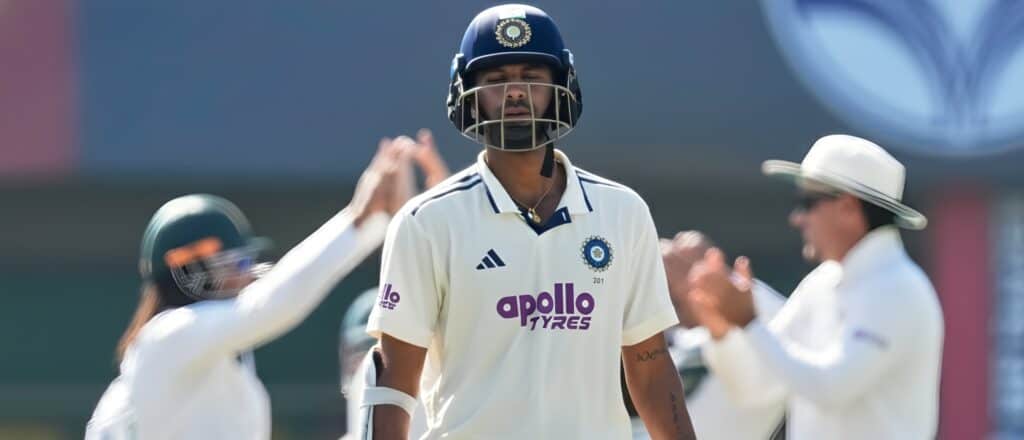
India Test cricket has endured a difficult phase under Gautam Gambhir, with defeats exposing tactical and transitional issues in the longest format. A home series whitewash against South Africa highlighted persistent batting collapses and an inability to control key sessions, problems that have appeared repeatedly in recent years. Earlier losses to New Zealand and Australia added to the narrative that India’s red-ball dominance has eroded.
For the BCCI, these outcomes are not isolated incidents but part of a wider pattern. Test cricket remains the ultimate benchmark for Indian cricketing credibility, and failures at home carry heavier consequences than overseas defeats. The ongoing BCCI coaching review is therefore driven less by isolated results and more by the absence of visible course correction.
BCCI Coaching Review and VVS Laxman Speculation
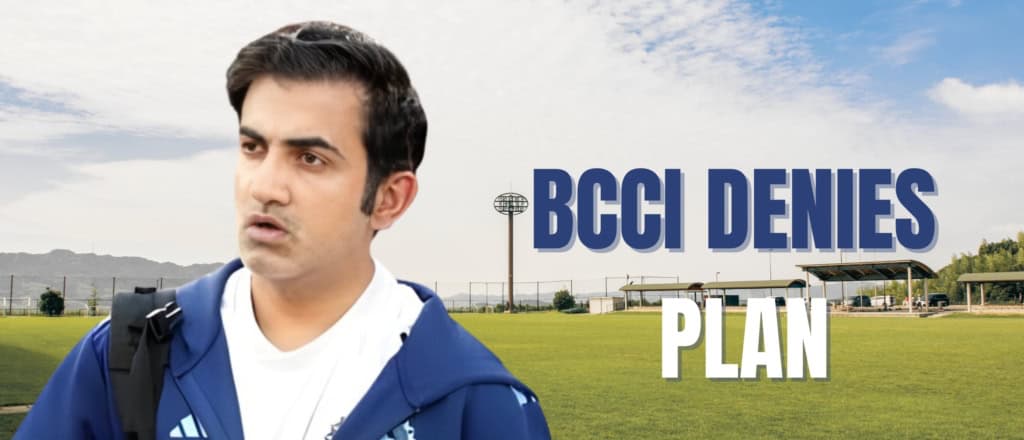
Speculation around VVS Laxman coach discussions intensified as reports emerged of informal feelers following India’s Test setbacks. Laxman’s stature within Indian cricket and his work in player development naturally positioned him as a potential alternative in red-ball leadership conversations. However, BCCI officials have firmly denied any formal or informal outreach.
From the board’s perspective, these denials serve two purposes. First, they reinforce institutional backing for Gautam Gambhir in the short term. Second, they signal a desire to avoid public instability during an active World Test Championship phase. Even so, the presence of such speculation indicates that contingency thinking exists, even if it remains unspoken.
Contract Security vs Performance Accountability
Although Gautam Gambhir holds a contract extending until the 2027 ODI World Cup, contractual security does not equate to unconditional confidence. Within the BCCI coaching review framework, performance accountability operates independently of paperwork. The upcoming T20 World Cup has emerged as a key checkpoint, not because it defines Test credentials, but because it reflects overall leadership effectiveness.
The board’s approach suggests flexibility rather than rigidity. Contracts can be revisited if strategic objectives are not met, particularly when India Test cricket outcomes contradict broader performance goals. This balance between stability and accountability has defined several past coaching transitions in Indian cricket.
World Test Championship Pressure Mounts
The World Test Championship adds structural weight to the evaluation of Gautam Gambhir and the current coaching setup. India’s remaining fixtures in the 2025–27 cycle include demanding away tours to Sri Lanka and New Zealand, followed by a high-stakes home series against Australia. These matches offer little margin for experimentation or prolonged rebuilding.
For the BCCI, the World Test Championship is more than a points table. It represents global positioning, legacy, and continuity in Test cricket excellence. Failure to remain competitive across this cycle would inevitably intensify scrutiny within the ongoing BCCI coaching review, regardless of white-ball achievements.
Tactical Identity and Red-Ball Vision
One of the core concerns surrounding Gautam Gambhir relates to tactical identity in India Test cricket. Critics point to inconsistent selection calls, unclear batting roles, and reactive decision-making under pressure. While transitions are inevitable in any team cycle, the absence of a clearly articulated red-ball vision has unsettled analysts and former players alike.
The BCCI coaching review has increasingly focused on whether the current setup is building toward long-term Test stability or merely managing short-term challenges. This distinction matters because Test cricket demands planning across years, not series.
Strategic Crossroads for Indian Cricket
Indian cricket now finds itself at a strategic crossroads where continuity and correction compete for priority. Gautam Gambhir has delivered tangible success in white-ball formats, reinforcing his credentials as a results-driven coach. However, India Test cricket continues to test the limits of that success, raising fundamental questions about format-specific leadership.
The BCCI’s challenge lies in resisting impulsive decisions while remaining responsive to clear warning signs. Historical precedent shows that Indian cricket often opts for delayed but decisive action rather than abrupt change.
What the Next Year Could Decide
The coming year is likely to define how Gautam Gambhir is ultimately remembered in Indian cricket coaching history. Strong performances in the World Test Championship could stabilize his position and silence speculation. Continued red-ball struggles, however, would make sustained backing increasingly difficult to justify within the BCCI coaching review framework.
Without dramatic announcements or public ultimatums, Indian cricket may be approaching a quiet inflection point. The signals are subtle, the timelines flexible, but the direction will be shaped by results rather than rhetoric.


Responses