

Test Cricket After India’s Costly Series Defeat


Test Cricket Challenges After India’s Heavy Loss to South Africa
India’s struggles in Test cricket resurfaced sharply when they failed to chase 124 in the opening Test and then suffered a 408-run defeat in the second—India’s biggest margin of loss at home in the format. This collapse raised concerns about team selection, stability, and tactical planning. Former wicketkeeper Parthiv Patel questioned the team’s reliance on too many all-rounders, a pattern that has affected balance and consistency.
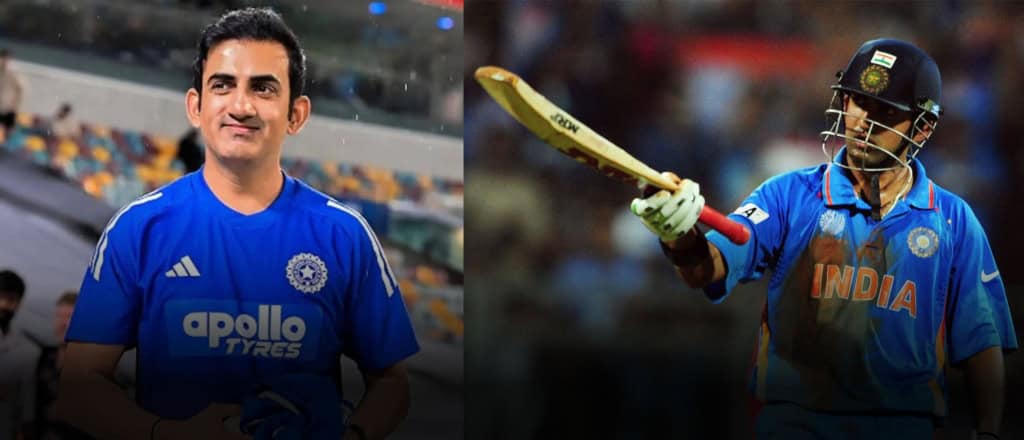
Gautam Gambhir Under Scrutiny in India’s Test Cricket Strategy
The role of Gautam Gambhir has come under the microscope following the series loss. Although the players’ commitment was evident, critics argue that the team composition lacked clarity. Patel went as far as calling it a “mistake of the coach,” emphasizing that India must rethink its Test cricket approach, especially considering the pressure of the ongoing World Test Championship cycle.
Patel’s Assessment of India’s Specialist vs. All-Rounder Debate
Patel stressed that Test cricket is traditionally a game for specialists. According to him, India should field six frontline batters, including a reliable wicketkeeper-batter, supported by four dedicated bowlers and one all-rounder. He highlighted that while India is fortunate to possess exceptional multi-skilled players like Ravindra Jadeja and Washington Sundar, overloading the XI with all-rounders disrupts team structure.
Gambhir’s Selection Choices and Their Impact
In recent matches, India opted for combinations influenced by all-round depth—an approach more commonly associated with shorter formats. Patel argued that such strategy affected stability in longer, more demanding Test cricket conditions. The inclusion of players who are neither full-time batters nor full-time bowlers, he suggested, diluted the team’s ability to control sessions.
Anil Kumble’s Reaction to India’s Test Cricket Defeat
Legendary spinner Anil Kumble expressed disappointment at India’s “complete surrender” to South Africa. For the first time in over two decades, the Proteas walked away with a series win on Indian soil. Kumble pointed out that the issues hampering India’s Test cricket progress stem from deeper, systemic inconsistencies.
Stability Issues in the Playing XI
According to Kumble, India’s continuous rotation—changes in batting order, fluctuating roles, and frequent player swaps—eroded stability. He acknowledged that injuries and dips in form are inevitable, but he emphasized that Test cricket requires continuity and clearly defined responsibilities.
The Urgent Need for Reflection
With India not scheduled to play another Test until August 2026, Kumble urged the management to use this break to reassess the direction of the team. He believes this period presents an opportunity to align India’s Test cricket roadmap with long-term goals.
The Magnitude of India’s Defeat in Test Cricket
India’s 408-run loss in the second Test was not just a defeat—it was historic. South Africa’s Simon Harmer and Marco Jansen delivered outstanding performances, exploiting every weakness in the Indian lineup. Their dominance highlighted India’s persistent struggle against disciplined bowling attacks in crucial Test cricket scenarios.
Consequences for the World Test Championship
India’s situation in the World Test Championship (WTC) has become precarious. Following a 0-3 whitewash in New Zealand the previous year, this latest 2-0 defeat pushes India to the edge, threatening their chances of qualifying for the WTC final for a second consecutive cycle.
Reassessing India’s Test Cricket Identity
To compete at the highest level, India must define what style of Test cricket they want to play. This involves making tough decisions: prioritizing specialists over multi-role players, ensuring stability in roles, and crafting strategies that suit conditions rather than trends from limited-overs formats.
Building a Specialist-Core Test Squad
A strong Test cricket team hinges on clarity—knowing each player’s role. India’s future planning must revolve around identifying specialist batters capable of handling long innings and bowlers who can consistently deliver breakthroughs.
Learning From Dominant Test Teams
Top Test cricket nations maintain a settled core, emphasizing continuity. India, too, must shift from frequent experimentation to a more structured, consistent model. This stability will help create a team resilient under pressure, especially during critical home and away series.
The Path Forward for India in Test Cricket
India’s recent setbacks offer a crucial turning point. The next phase of Test cricket will require strategic patience and a willingness to adapt. Whether Gambhir continues in his current role or the team undergoes major changes, clarity in selection and planning will be decisive.
Key Priorities Before the Next Test Cycle
India must:
-
Reevaluate the balance between all-rounders and specialists
-
Strengthen the top-order batting structure
-
Maintain consistency in the bowling unit
-
Avoid excessive tinkering with roles
-
Prepare long-term plans for overseas challenges
Restoring Stability and Confidence
Improvements in Test cricket won’t happen overnight. However, a combination of stable leadership, well-defined roles, and strong preparation can help India rebuild confidence. The extended break from red-ball cricket offers a chance to assess emerging talent and groom players specifically for the format.
Test Cricket Demands Patience, Clarity, and Vision
The criticism from Parthiv Patel and Anil Kumble underscores a broader truth: Test cricket challenges cannot be addressed with short-term fixes. India’s back-to-back whitewashes at home and abroad signal a need for structural recalibration. With thoughtful planning and a return to fundamentals, India can regain its dominance and restore the stability that once defined its red-ball era.





Responses