

ISL Commercial Rights: 6 Important Reasons Clubs Question AIFF Decision

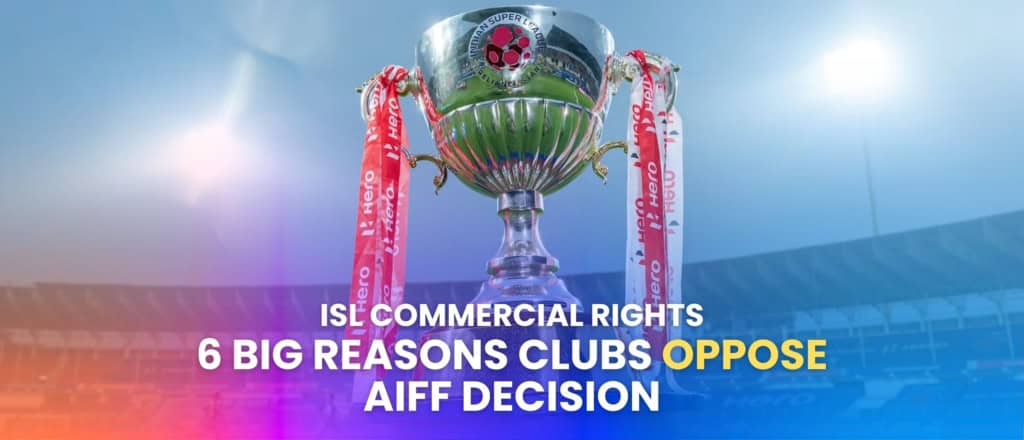
ISL commercial rights debate has intensified as Indian Super League clubs urge AIFF to delay any binding decision on long-term agreements. The ISL commercial rights issue highlights growing concerns over transparency, evaluation time, and the future direction of Indian football.
ISL Commercial Rights Dispute Explained
The ISL commercial rights situation has become a major topic in Indian football, with clubs expressing strong concerns over the decision-making process. The issue revolves around the selection of a long-term commercial partner for the league and associated competitions.
Clubs have emphasized that such a crucial decision requires careful evaluation and cannot be rushed. The ISL commercial rights debate reflects the importance of ensuring fairness and inclusivity in shaping the league’s future.
Why ISL Clubs Are Opposing AIFF Move
The ISL rights disagreement stems from the lack of sufficient time provided to clubs for reviewing bids. Clubs stated they were given access to key documents only hours before the bids were opened, making it difficult to form an informed opinion.
This limited timeframe has raised concerns about the transparency of the process. The ISL rights issue underscores the need for proper consultation with stakeholders before making decisions that impact the entire ecosystem.
Bidders and Financial Stakes Involved
The ISL rights tender has attracted significant interest, with major companies submitting bids for long-term partnerships. These deals involve substantial financial commitments and will influence the commercial structure of Indian football for years.
One of the bids reportedly exceeds Rs 2000 crore for a multi-year period, highlighting the scale and importance of the ISL rights agreement. Such high stakes make it essential for clubs to thoroughly evaluate each proposal.
Need for Detailed Evaluation Process
Clubs have requested more time to assess the ISL rights proposals, including understanding business plans, revenue models, and operational strategies of the bidders.
They have also called for direct presentations from the bidding companies to ensure clarity and transparency. The ISL rights decision requires careful consideration to avoid long-term challenges.
Importance of Transparency in ISL Commercial Rights
Transparency is a key concern in the ISL rights debate. Clubs believe that decisions of this magnitude should involve open discussions and detailed analysis.
Without proper evaluation, there is a risk of selecting a partner that may not align with the long-term vision of Indian football. The ISL commercial rights process must ensure accountability and fairness for all stakeholders.
Impact on Indian Football’s Future
The ISL commercial rights agreement will play a crucial role in shaping the future of Indian football. It will influence revenue generation, league structure, and overall growth of the sport in the country.
Clubs are keen to ensure that the chosen partner supports sustainable development and aligns with the broader goals of Indian football. The ISL commercial rights decision is therefore seen as a defining moment for the sport.
Why Clubs Want Delay in Decision
The ISL commercial rights issue has led clubs to request that no binding decision be taken immediately. They argue that rushing the process could lead to suboptimal outcomes.
By allowing more time for evaluation, clubs believe a more informed and collective decision can be made. This approach would strengthen trust and collaboration among stakeholders.
Role of Stakeholder Participation
The ISL commercial rights debate highlights the importance of involving all stakeholders in key decisions. Clubs, as primary participants in the league, seek a more active role in shaping its commercial future.
Their involvement ensures that decisions reflect the interests of teams, players, and fans alike. The ISL commercial rights process must therefore prioritize inclusivity.
Long-Term Vision for ISL Growth
The ISL commercial rights agreement is not just about financial gains but also about long-term growth. Clubs want a partner who can enhance the league’s global presence and improve its commercial viability.
This vision includes better marketing strategies, stronger sponsorship deals, and improved fan engagement. The ISL commercial rights decision will have lasting implications for these areas.
Key Concerns Raised by ISL Clubs
The ISL commercial rights debate has brought forward several critical concerns:
- Insufficient time for bid evaluation
- Lack of involvement in the drafting process
- Need for detailed presentations from bidders
- Importance of understanding financial and operational plans
- Risk of rushed decision-making
These concerns highlight the need for a more structured and transparent approach to the ISL commercial rights process.
Why This Issue Matters
The ISL commercial rights issue matters because it directly impacts the future of Indian football. A well-informed decision can drive growth and stability, while a rushed one could create long-term challenges.
Clubs are advocating for a process that ensures fairness, accountability, and strategic alignment with the league’s goals. The ISL commercial rights debate is therefore crucial for the sport’s development.
The ISL commercial rights controversy underscores the importance of transparency and collaboration in major decisions. As clubs push for more time and involvement, the focus remains on securing the best possible outcome for Indian football.
Moving forward, addressing these concerns will be essential to building trust and ensuring sustainable growth. The ISL commercial rights decision will ultimately shape the direction of the league for years to come.
Written by 8jjsports.com | March 30,2026
Stay updated with 8jj Sports for Live Sports Scores, News & Community



Responses