

Ashwin’s Comments on Kohli–Rohit Transition

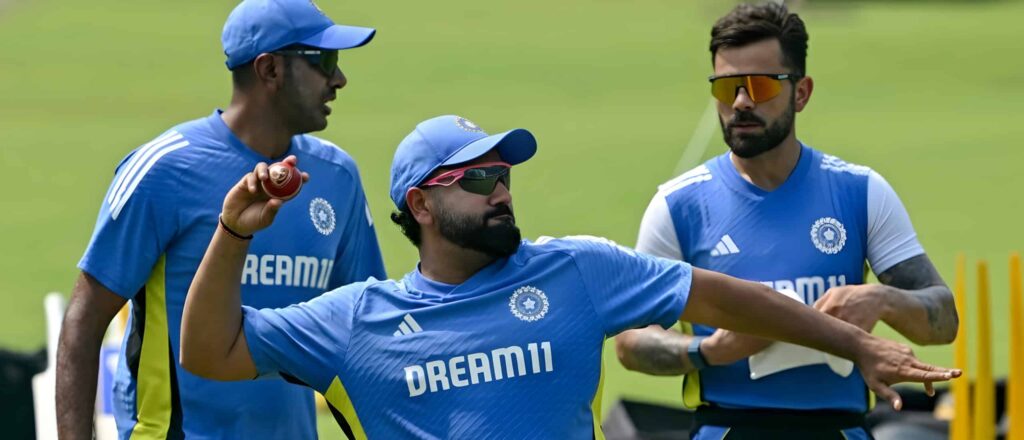
Ashwin Controversy Sparks Fresh Debate in Indian Cricket Transition
The recent Ashwin controversy began when the veteran off-spinner suggested that India’s Test transition lacked clarity. According to him, the trio of Kohli, Rohit, and himself were uncertain about their long-term roles. This uncertainty, he hinted, contributed to the abrupt retirement decisions—particularly in his own case.
Fans have since echoed his sentiments, pointing to India’s 0-2 Test defeat against South Africa at home as evidence that the transition away from senior players has not gone smoothly. With the Kohli Rohit debate intensifying, many observers believe the leadership vacuum may have been preventable with clearer communication.
What Led to the Ashwin Controversy Over India’s Test Transition?
Ashwin’s Claim on Lack of Clarity From Management
Ashwin stated that the absence of transparency regarding future plans compelled senior players to make personal decisions about their Test careers. He suggested that a defined pathway could have allowed veterans—such as Rohit Sharma and Virat Kohli—to mentor the next generation.
In his words, knowledge transfer has “never been our strength,” highlighting a systemic issue in Indian cricket’s transition management.
Mid-Series Retirement Highlighted the Breakdown
Ashwin’s retirement during the Border-Gavaskar Trophy in Australia reflected the confusion he described. His sudden exit shocked the cricketing world and became a symbolic moment in the ongoing Kohli Rohit debate, with fans questioning whether similar pressure influenced the decisions of other seniors.
Sunil Gavaskar’s Response Intensifies the Kohli Rohit Debate
Gavaskar Rejects Theories of Forced Retirement
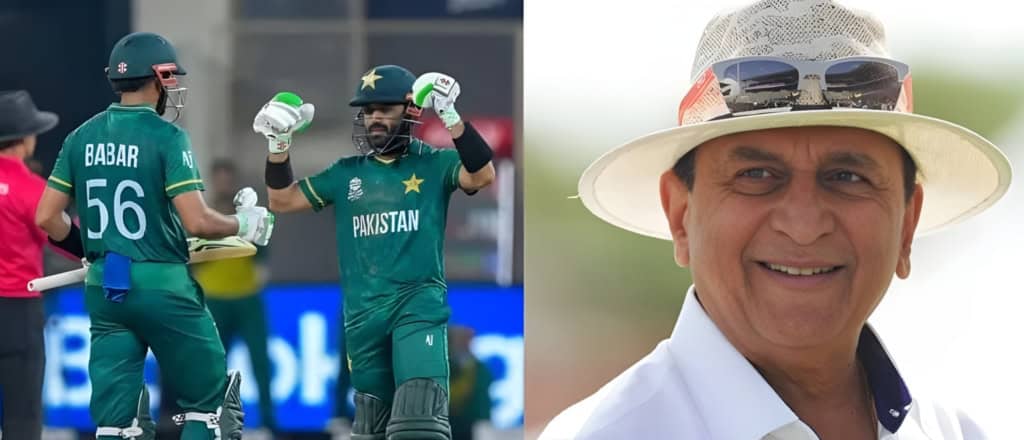
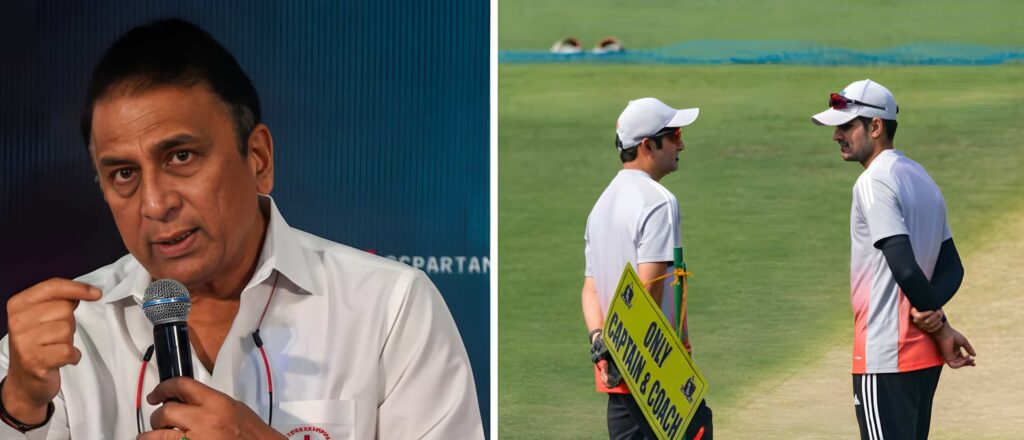
Legendary batter Sunil Gavaskar offered a sharp counter, dismissing the idea that the management forced the trio into retirement. According to him, the decisions were personal and not the responsibility of selectors or coaches.
Gavaskar emphasized that senior players cannot be guaranteed different results merely because of their experience. He referenced India’s Test performances in previous overseas series—such as the 0-3 loss to New Zealand and the defeats in Australia—where all three seniors were part of the side.
“We Lost Even When They Were There” — Gavaskar’s Stern Retort
Gavaskar directly contradicted fan assumptions that India would have avoided a 0-2 defeat against South Africa if the veterans had stayed. He argued that history proves otherwise and warned against idealizing the past.
His comments injected a pragmatic element into the Kohli Rohit debate, asserting that romanticizing former players’ presence does little to address performance issues.
India’s Test Struggles Amplify the Ashwin Controversy
Gambhir’s Smooth White-Ball Transition vs Red-Ball Crisis
Under head coach Gautam Gambhir, India’s white-ball transition has appeared stable, but the red-ball format tells a different story. Losing a home Test series to South Africa—where India historically dominate—has exposed deeper structural concerns.
This contrast between formats has intensified the Ashwin controversy, as fans and experts question whether the shift away from senior players was too abrupt.
Were Kohli and Rohit Still Needed in the Test Setup?
Many supporters argue that India’s batting collapse across both Tests could have been mitigated with experienced anchors like Kohli and Rohit. Their claim: veterans could have stabilized the middle order while younger players adapted to the pressures of high-stakes red-ball cricket.
Gavaskar disagreed, but the debate remains unresolved, contributing to a charged atmosphere around the team’s current transition strategy.
Inside the Kohli Rohit Debate—Could They Have Groomed the Next Generation?
Ashwin’s View: Senior Players Could Have Mentored Youth
Ashwin’s primary point was not that the veterans should have been protected indefinitely, but that they could have guided younger players through a structured and transparent transition process.
This coaching-through-presence approach has been used effectively by other top cricketing nations, and Ashwin believes India missed a similar opportunity.
Counterpoint—Is It Fair to Expect Seniors to Transition Themselves Out?
Critics counter that grooming successors is primarily a management responsibility. Expecting players—who are still performing at a high level—to map their own exit strategy could unfairly shift the burden away from selectors.
How Poor Communication Fueled the Ashwin Controversy
The Communication Gap
Ashwin’s remarks suggest that India’s communication system regarding future roles is fragmented. Without clear feedback, senior players were forced to interpret their standing in the team, leading to premature decisions.
This communication deficit lies at the heart of the Ashwin controversy, raising questions about India’s long-term planning in Test cricket.
Lessons for India’s Management Going Forward
To avoid similar situations, management may need:
-
Direct communication about player roles
-
Long-term clarity regarding future squad plans
-
Consistent messaging from selectors and coaches
-
Transparent transition timelines
What This Means for India’s Test Future
Could India Have Avoided the 0-2 South Africa Defeat?
While Gavaskar’s stance is firm, many analysts believe India lacked leadership in difficult moments. Without Kohli’s mental toughness, Rohit’s tactical nous, and Ashwin’s experience, young players were thrust into responsibility too quickly.
Whether this would have changed the series outcome remains debatable—but the concerns are valid.
Potential Return for Rohit or Kohli in ODIs?
Though Ashwin has retired from all formats, discussions about Rohit and Kohli’s future—especially in ODIs—have fluctuated. The Test defeat may temporarily cool arguments about phasing them out too quickly.
Ashwin Controversy Highlights India’s Transition Dilemma
The Ashwin controversy underscores a significant crossroads in Indian cricket. While Ashwin believes senior players were not given clarity, Gavaskar argues the retirements were self-driven. The difference in opinion reflects a deeper challenge: balancing respect for legends while preparing for the next generation.
With India experiencing rare home defeats and fans questioning strategic decisions, the Kohli Rohit debate is far from over. What remains clear is that India must strengthen its transition planning to succeed in the post-legend era.

Responses